Our material approach
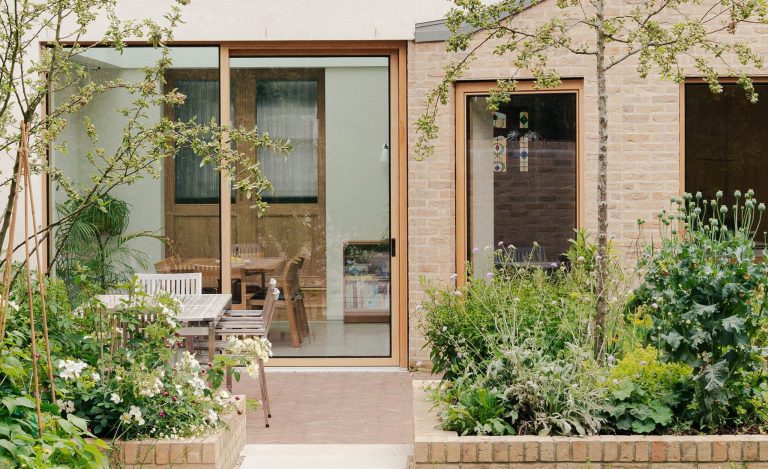
Natural timber for contemporary architecture
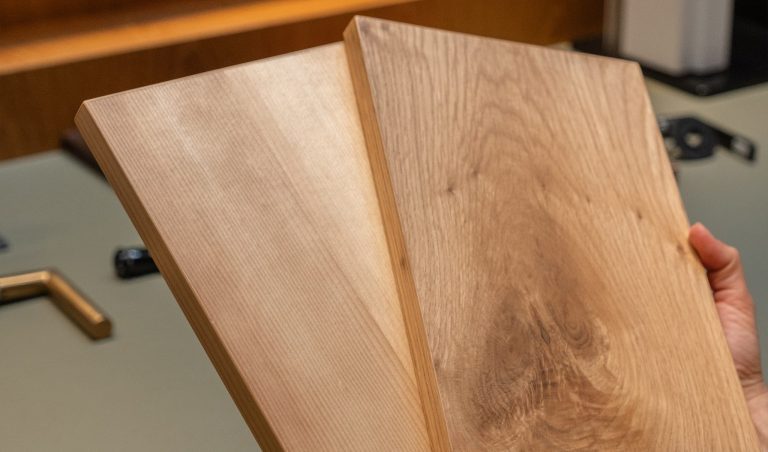
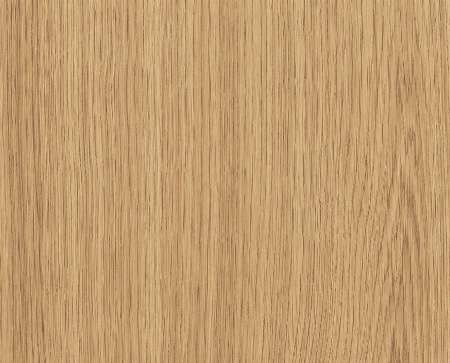
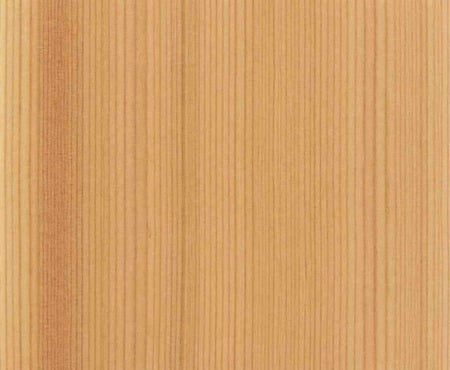
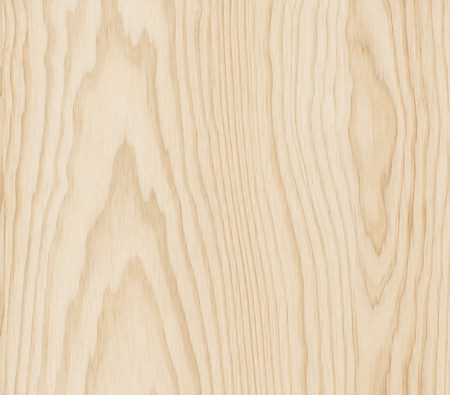
Timber has been used in architecture for centuries, yet its relevance has never been greater. As designers increasingly seek materials with lower embodied carbon and greater authenticity, timber offers a rare combination of sustainability, performance and beauty. It is renewable, naturally insulating and inherently warm to the touch, while modern engineering allows it to perform at the highest architectural standards. Unlike synthetic materials, timber evolves over time. Changes in grain, texture and tone create subtle variations that bring individuality to every project. No two pieces are ever identical and that uniqueness is one of its greatest strengths.
- Warm and tactile
- Lower embodied carbon
- Strong thermal insulation
- Repairable and renewable
- Made for clean detailing
- Built for long service
Crafted to last
A finish starts with the timber
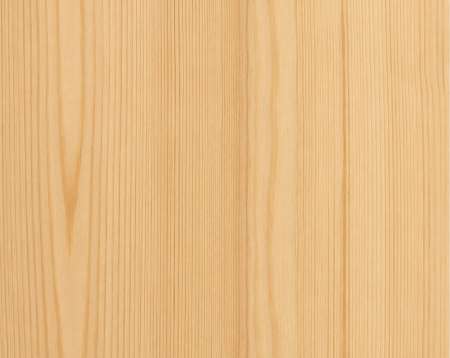
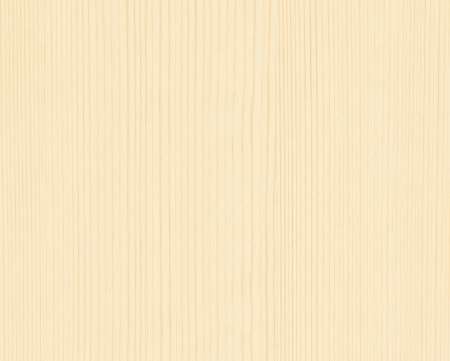
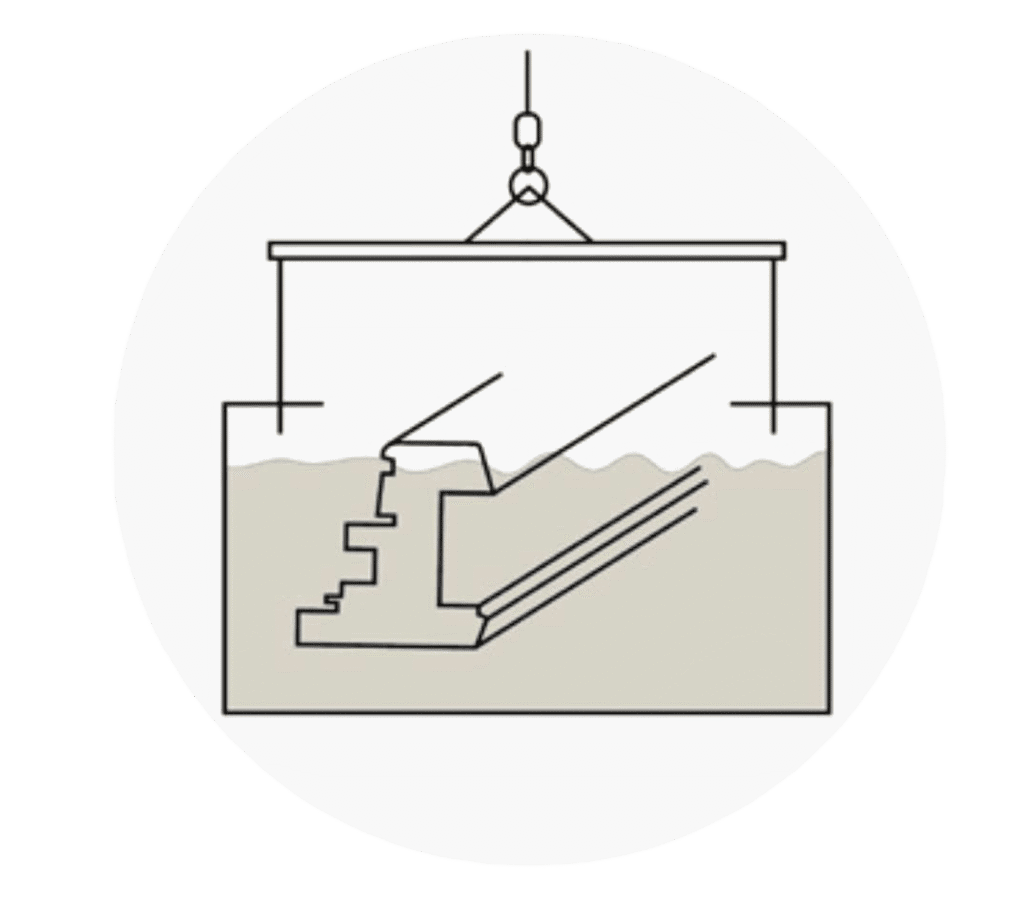
Exceptional finishes begin long before the first coat is applied. Every piece of timber is carefully prepared and conditioned before entering the finishing process, ensuring optimum moisture content and long-term dimensional stability.
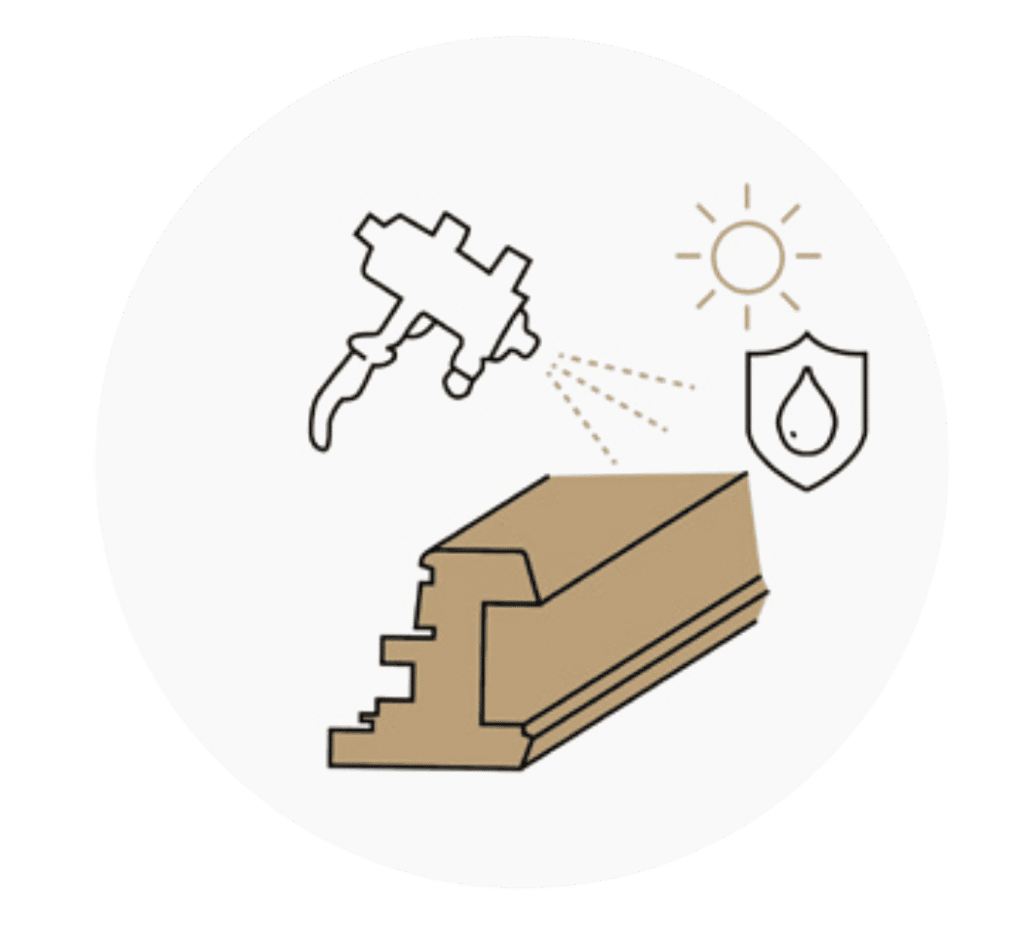
Surface preparation, coating application and final inspection are all carried out under tightly controlled manufacturing conditions, producing a finish that is both highly durable and visually refined. The result is a surface that enhances the natural beauty of the timber while providing long-term protection against the demands of everyday use.
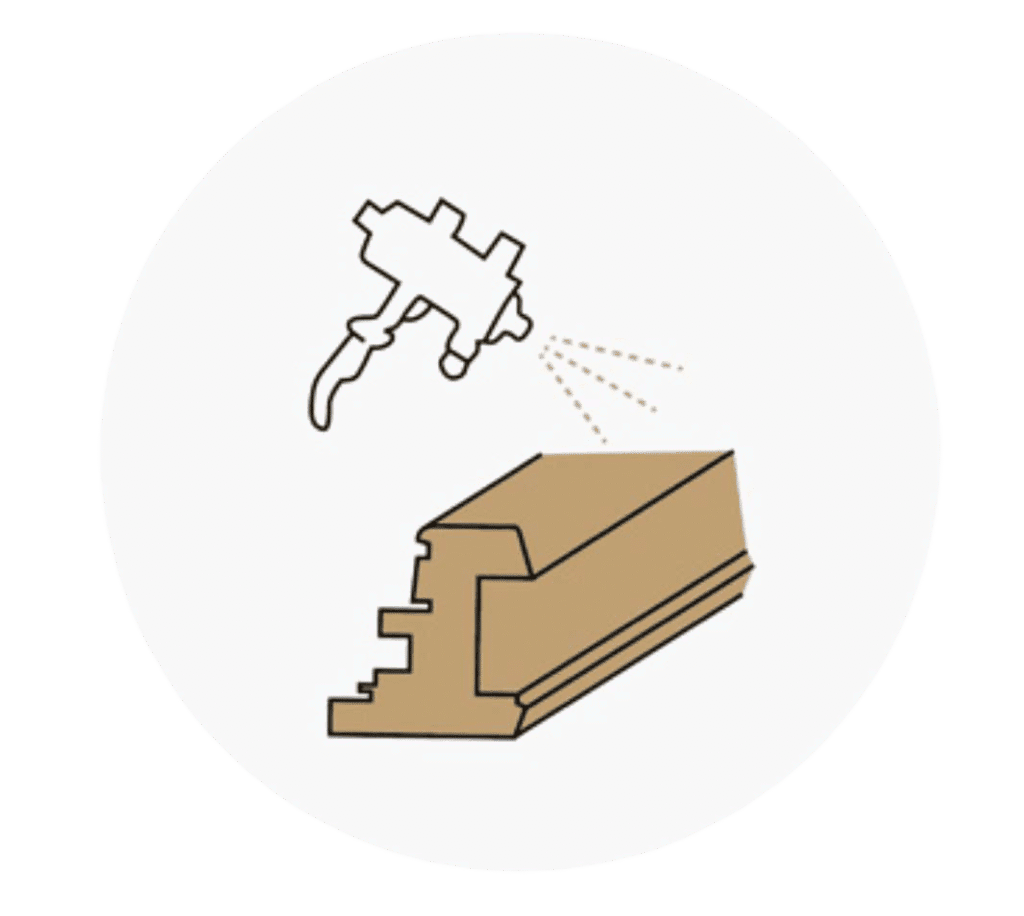
Consistency cannot be achieved by hand alone. Every timber component is scanned using laser technology before entering the robotic coating process. Precision spray systems ensure an even application across every profile, edge and detail, producing a remarkably consistent finish. Intermediate sanding is carried out by hand to ensure surfaces are smooth to touch.
Each component receives four separate coating applications, resulting in a surface quality that combines the refinement of fine furniture with the durability required for architectural glazing.

The finish collection
Designed around the material
A finish changes how timber responds to light, how much grain remains visible and how the frame will mature. Choose a range to compare the available surfaces.
Colour chart
Vantage timber finishes
Vantage is our all-timber glazing range. Its coating system protects the frame from the weather and keeps the grain, warmth and texture of real timber visible.
Natural stains and painted finishes for all-timber glazing.Colour chart
Endurance timber finishes
Endurance places timber inside and an aluminium fascia outside. The external metal protects the frame, so the interior can use softer ultra-matt finishes with the feel of fine furniture.
Interior timber finishes for our timber-aluminium range.Colour chart
Aluminium finishes
The external aluminium face can be chosen separately from the interior timber. This gives you freedom to coordinate the elevation with brick, stone, metalwork or cladding.
External aluminium finishes for the Endurance range.Screen colour is a guide only. Timber grain, tone and texture vary from piece to piece. We recommend approving a physical sample before the finish is confirmed.
Bespoke colour
Colour without compromise
While our carefully curated collection has been developed to suit the vast majority of architectural projects, we recognise that some designs demand something more individual.
For projects where colour plays a defining architectural role, Ecovia can supply bespoke finishes matched to virtually any recognised colour standard, allowing glazing to integrate seamlessly with the wider material palette.
Whether coordinating with brickwork, cladding, natural stone, interior joinery or existing architectural elements, bespoke finishes provide complete design flexibility without compromising the performance of the coating system.
Every custom finish is produced using the same multi stage coating process as our standard collection, ensuring exceptional durability, colour consistency and long-term weather resistance.
If your specification requires a unique finish, our technical team can advise on colour matching and system compatibility during the design stage.

Our colour matching process
1. Architect’s vision
Inspiration drawn from the architecture and surrounding materials.
2. Colour reference

Provide a colour standard or physical sample.
3. Colour match

Our specialists develop and test the closest possible match.
4. Coating process

Applied using the same four-stage coating
process as our standard collection.
5. Bespoke finish
A high performance finish that integrates seamlessly with your architectural vision.
Care and specification
Designing for exposure
- The longevity of any timber finish depends not only on the coating itself, but on the architectural detailing that protects it.
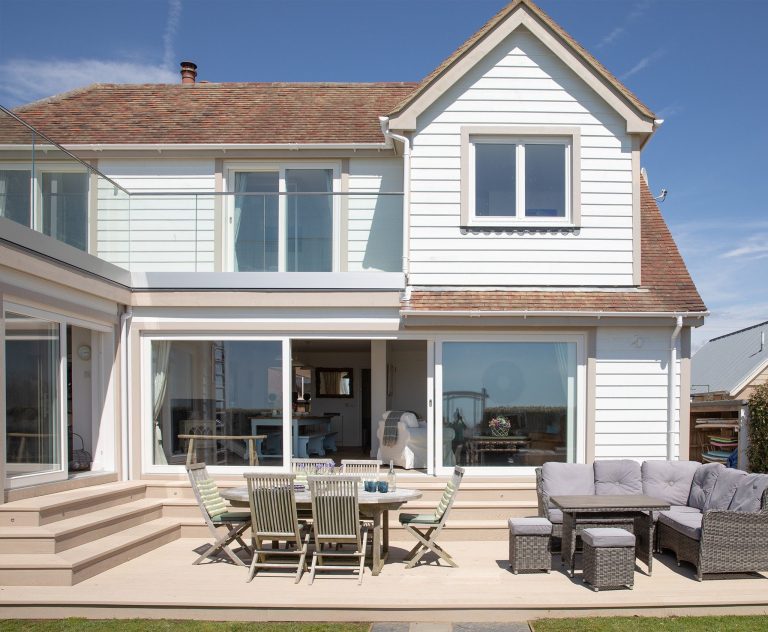
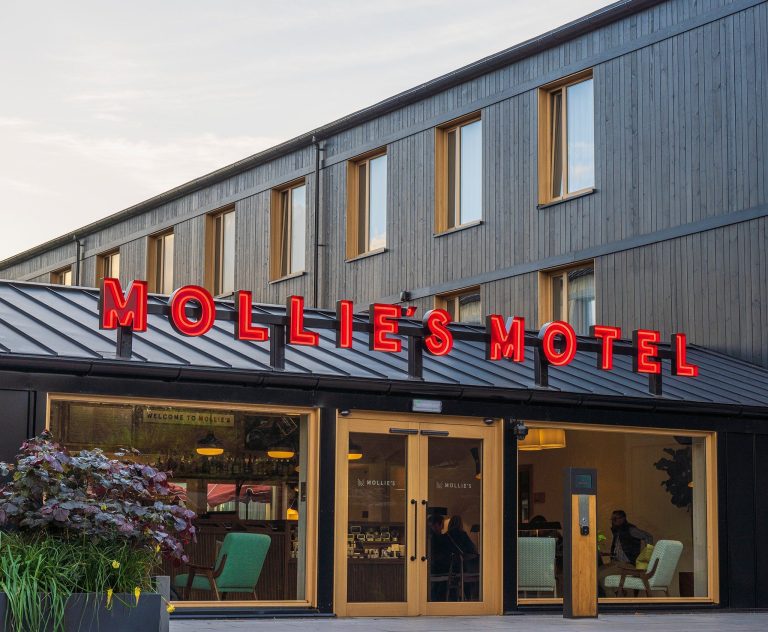
- Deep reveals, generous roof overhangs and recessed installations naturally reduce weather exposure, helping preserve the appearance of the timber over time.
- More exposed coastal locations or elevations subject to prevailing weather may benefit from more durable timber species or finish selections.
- By considering exposure during the design process, architects can ensure their glazing systems continue to perform beautifully for decades.
Looking after timber
Simple care for a long service life
Routine cleaning and a visual check help keep the finish in good condition. If minor damage occurs, timber can be repaired and refinished locally instead of replacing the complete frame.
- Clean gently
- Inspect the coating
- Repair small marks early
- Follow project care advice
Understanding your sample
Every sample tells part of the story
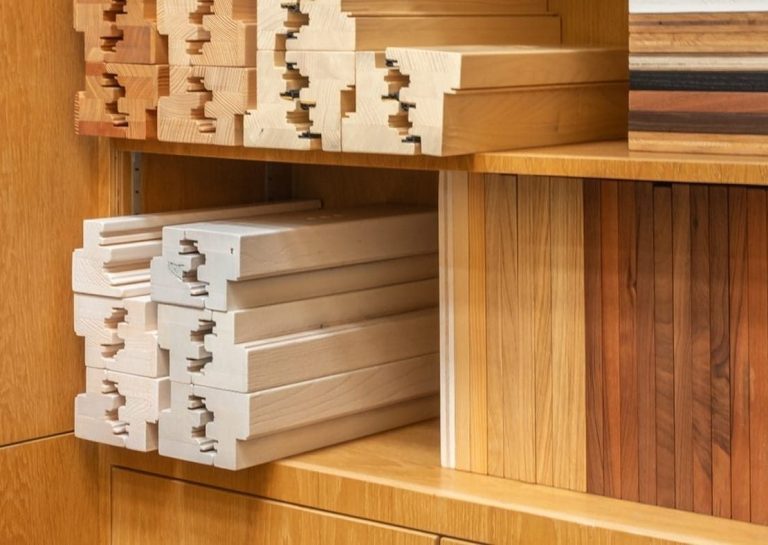
Each sample represents a natural material. Colour, grain and texture can change across the frame, which is part of the character of timber.
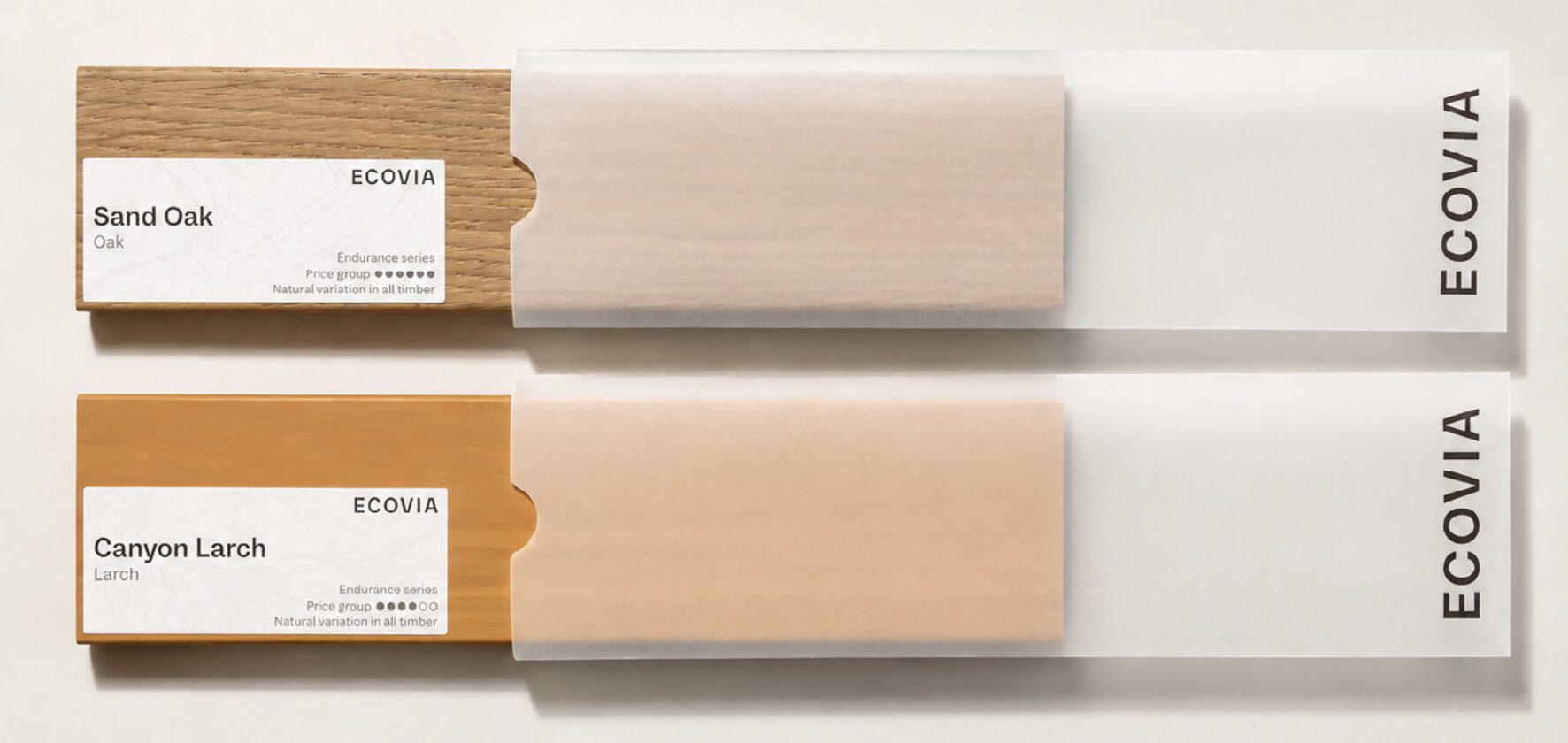
Every sample includes information relating to:
- Timber species
- Finish name
- System compatibility
- Price group
Understanding natural timber
- Grain and colour variation are inherent characteristics of the material. Knots and natural figuring may be visible depending on species and finish.
- Longer profile lengths may incorporate visible finger-jointed sections to enhance stability and performance.
- These natural and engineered characteristics form part of the authenticity of real timber and should not be regarded as defects.
For more information speak to our team.