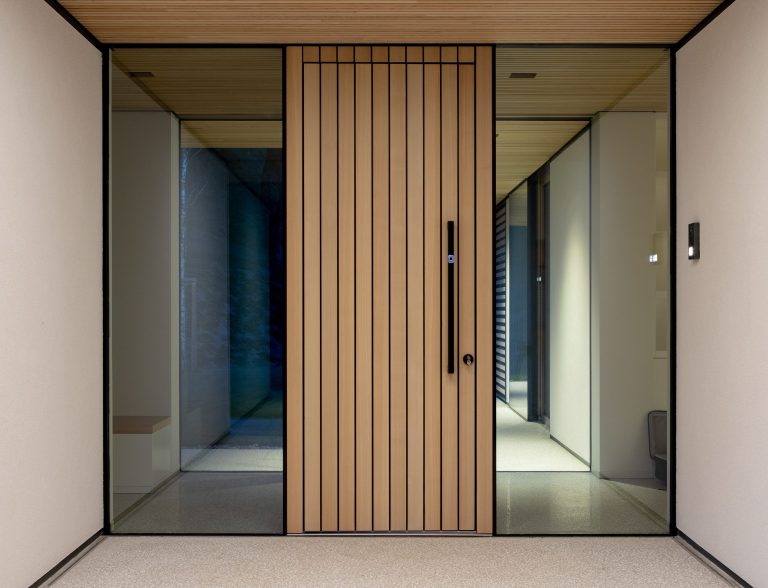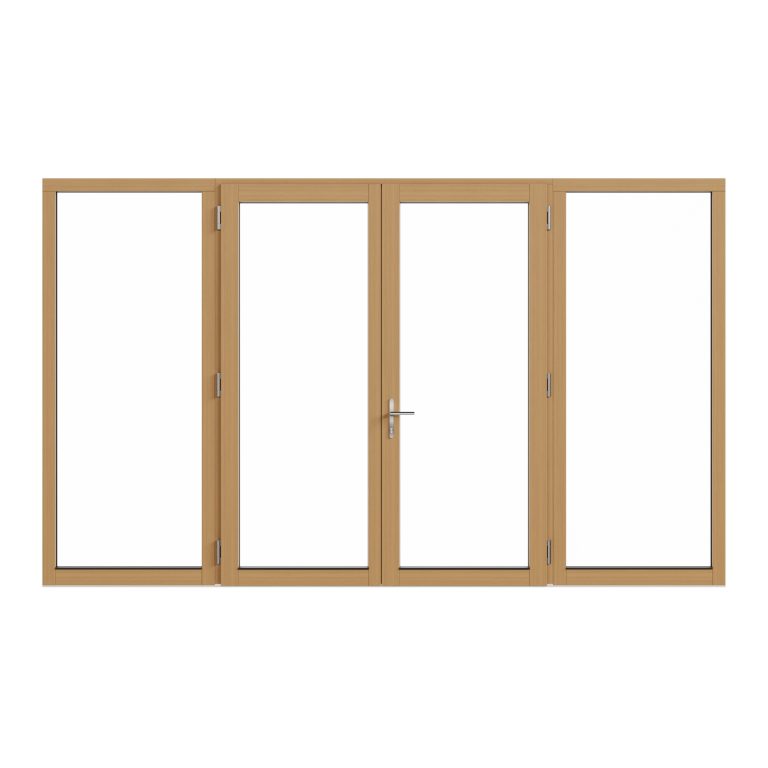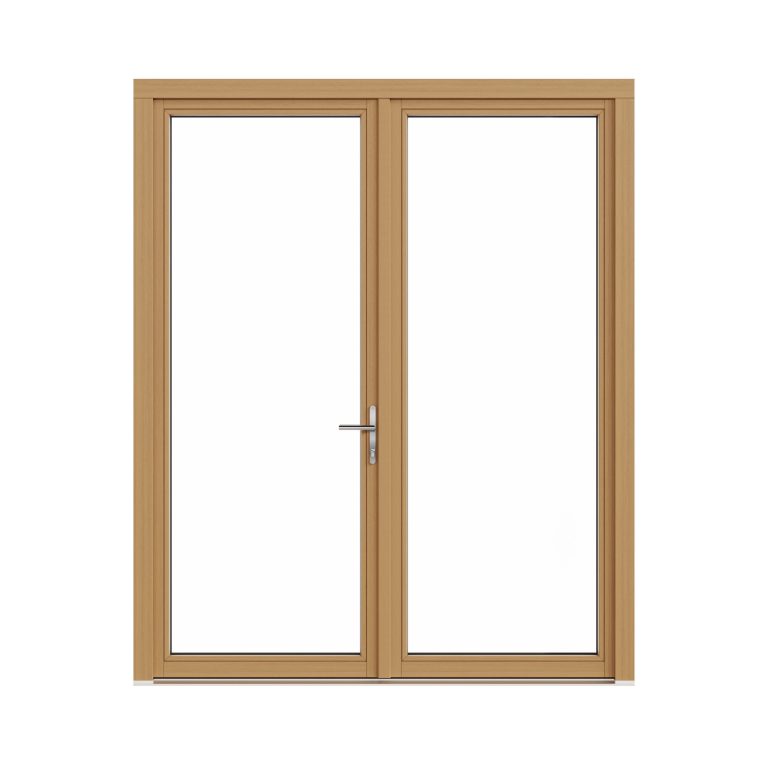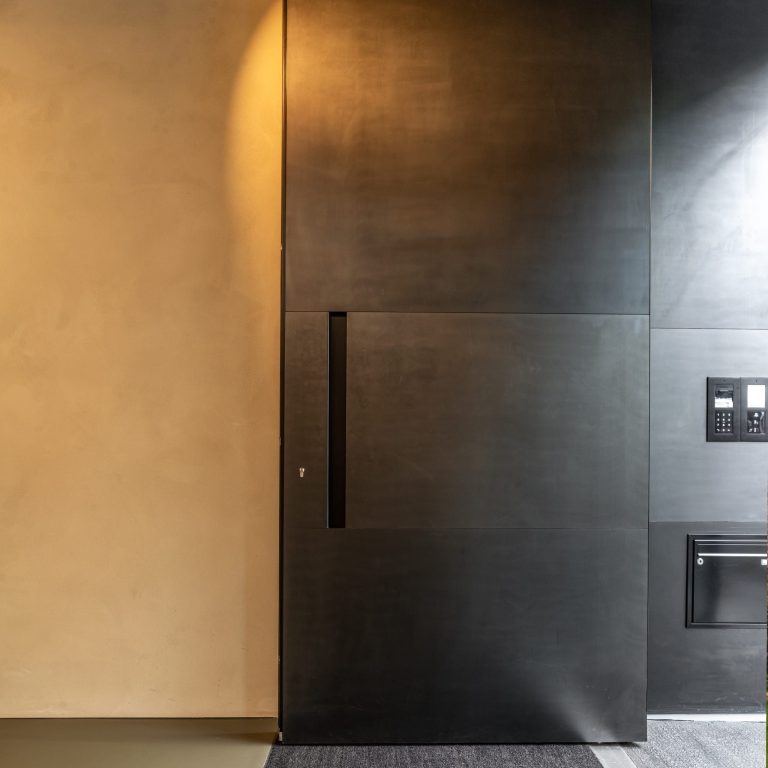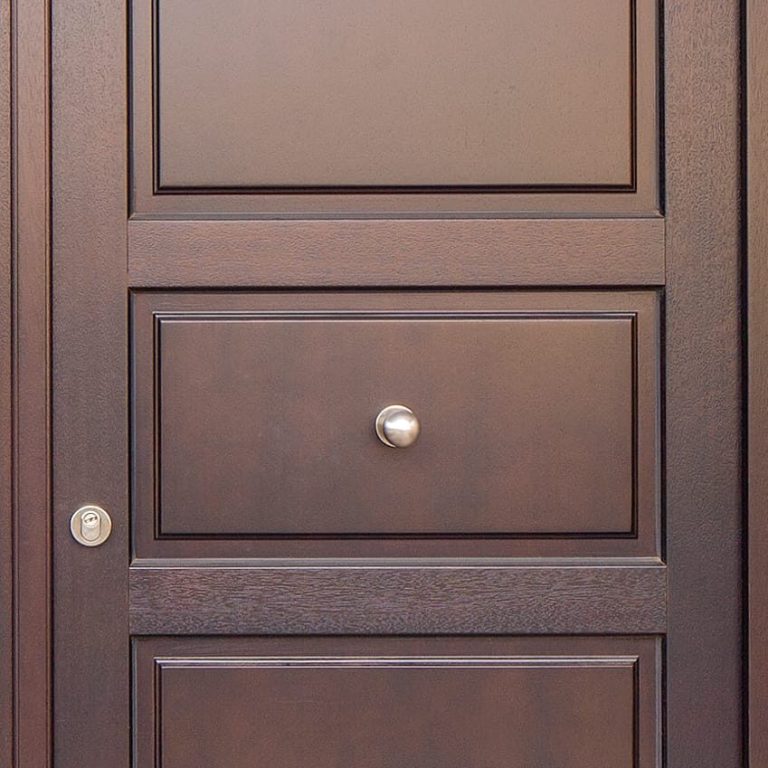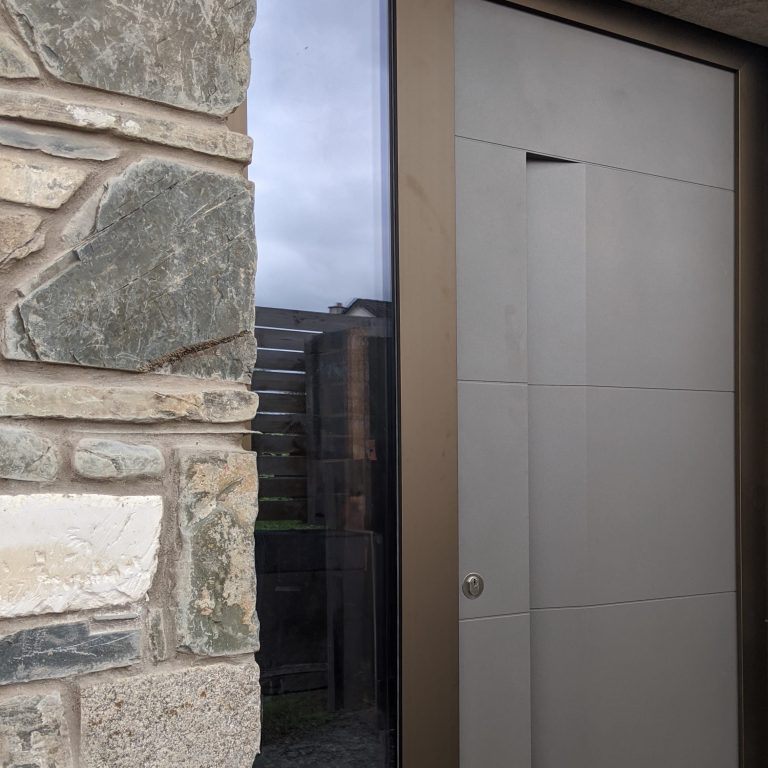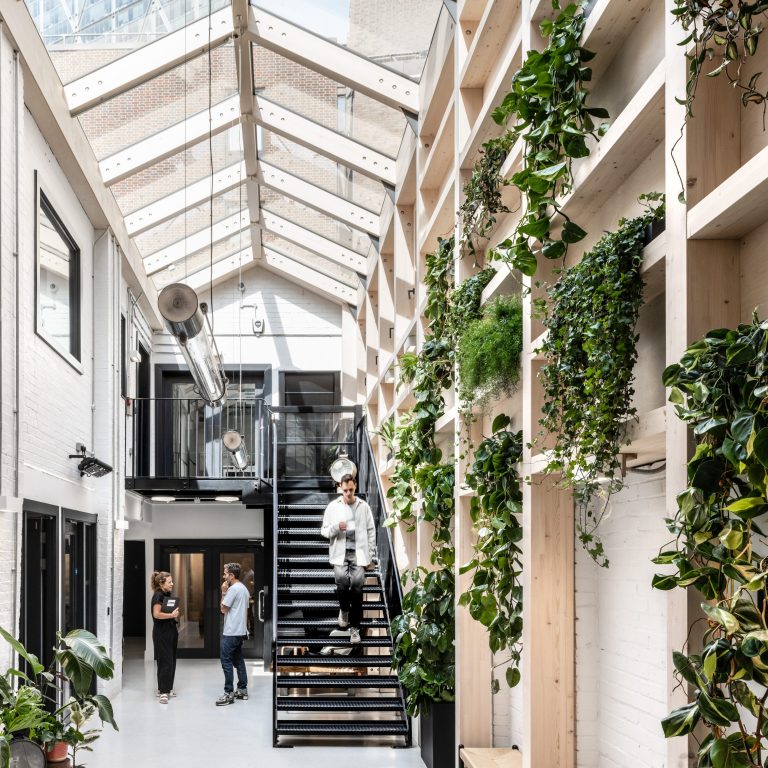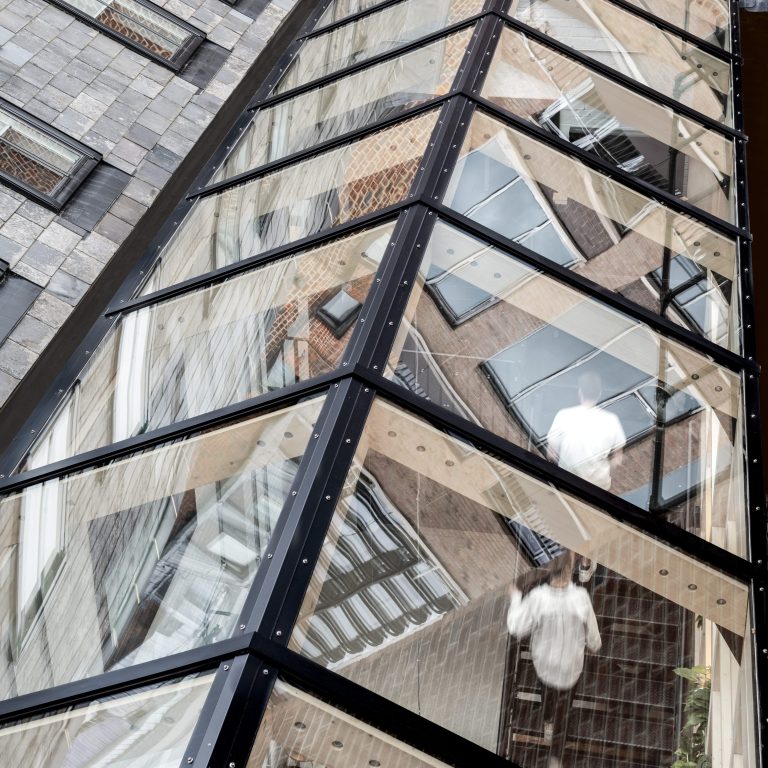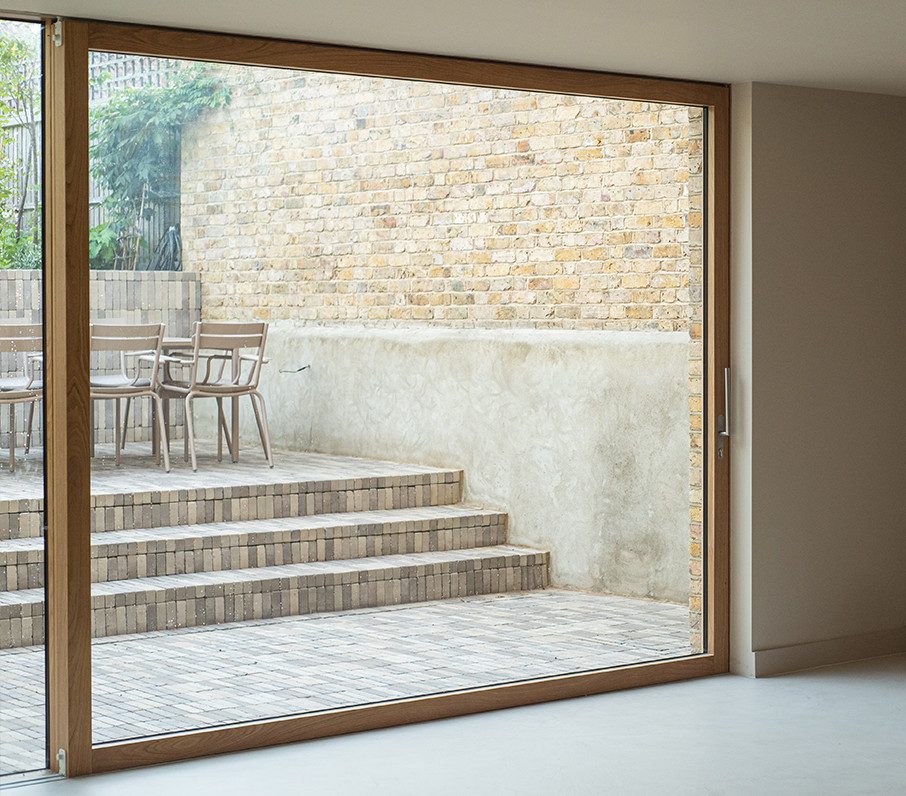
Modern timber windows are not high maintenance in the way many older windows were. They need routine cleaning, an annual inspection and a new topcoat when the existing finish starts to wear. This upkeep is spaced out over multi-year cycles instead of occurring every single spring. The maintenance cycle depends on the timber, coating, colour, elevation, weather exposure and access. A sheltered window beneath a deep overhang will age differently from a dark-painted frame facing south-west on an exposed coastal site.
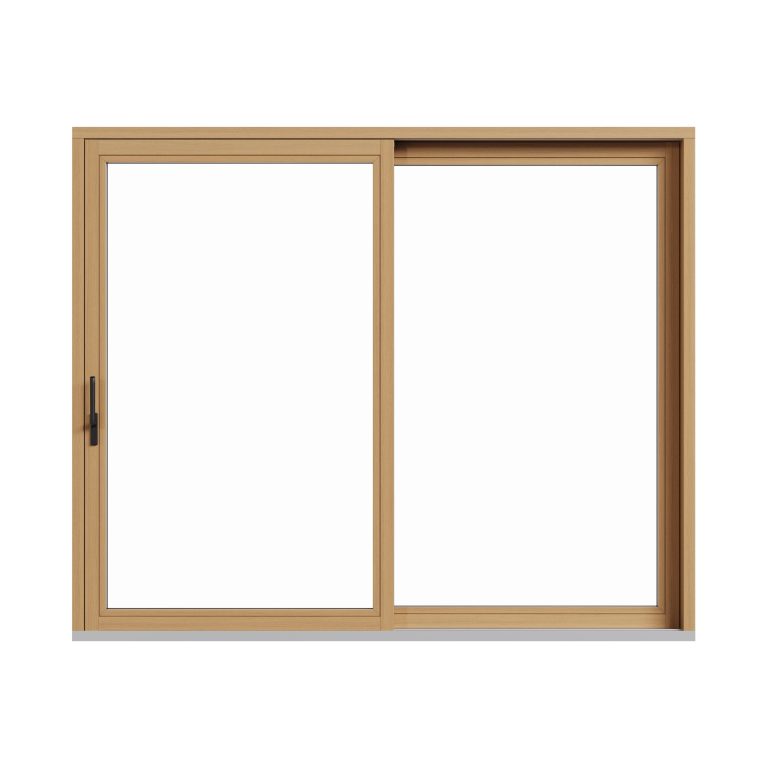
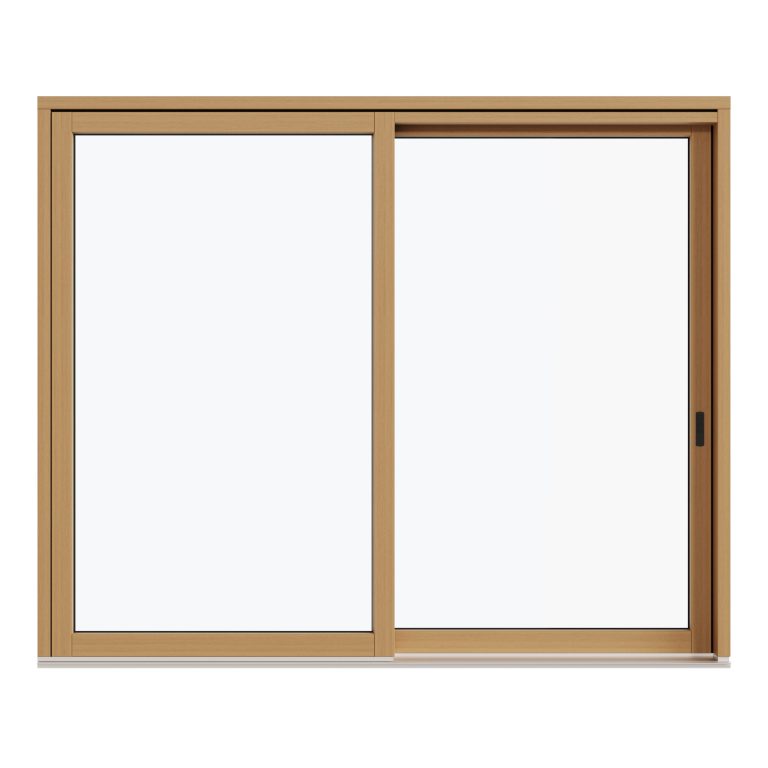
Our Vantage windows are engineered timber, factory finished and renewable. Endurance uses the same timber-first construction with an aluminium outer shell, reducing external coating work where exposure or access makes that valuable.
Table of Contents
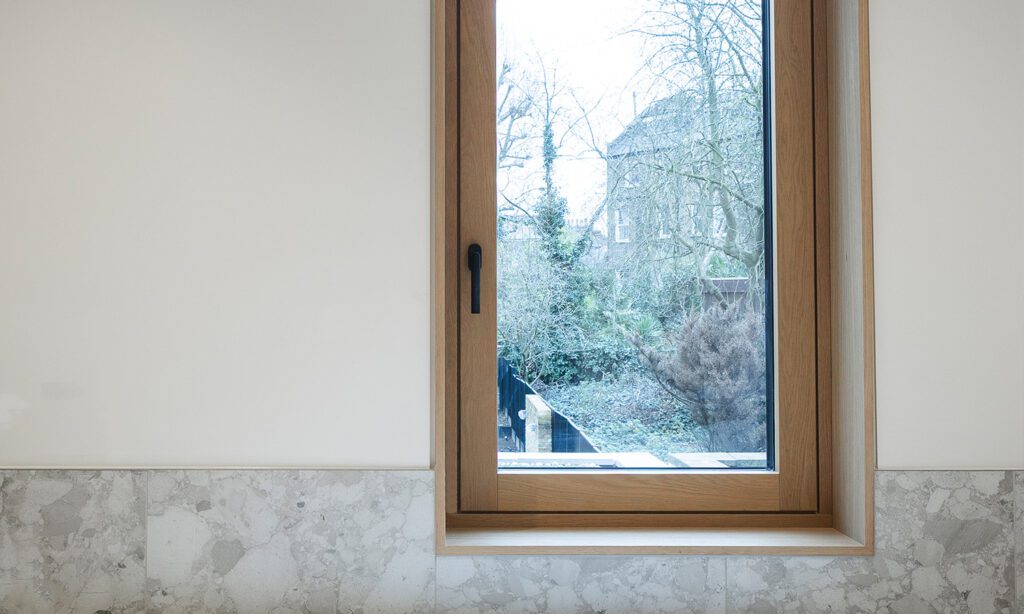
Why timber windows gained a high-maintenance reputation
Many people remember softwood windows made decades ago. They were painted on site, at times after the frames had absorbed moisture. End grain, joints and lower rails were not always sealed well. Rigid paint could crack as the timber moved, letting water reach the wood beneath.
Modern timber window construction is different. Laminated, kiln-dried sections reduce natural movement by arranging timber layers for dimensional stability. Factory-applied microporous coatings are built up in controlled layers. They help resist liquid water and UV exposure, yet allow moisture vapour to pass through the finish.
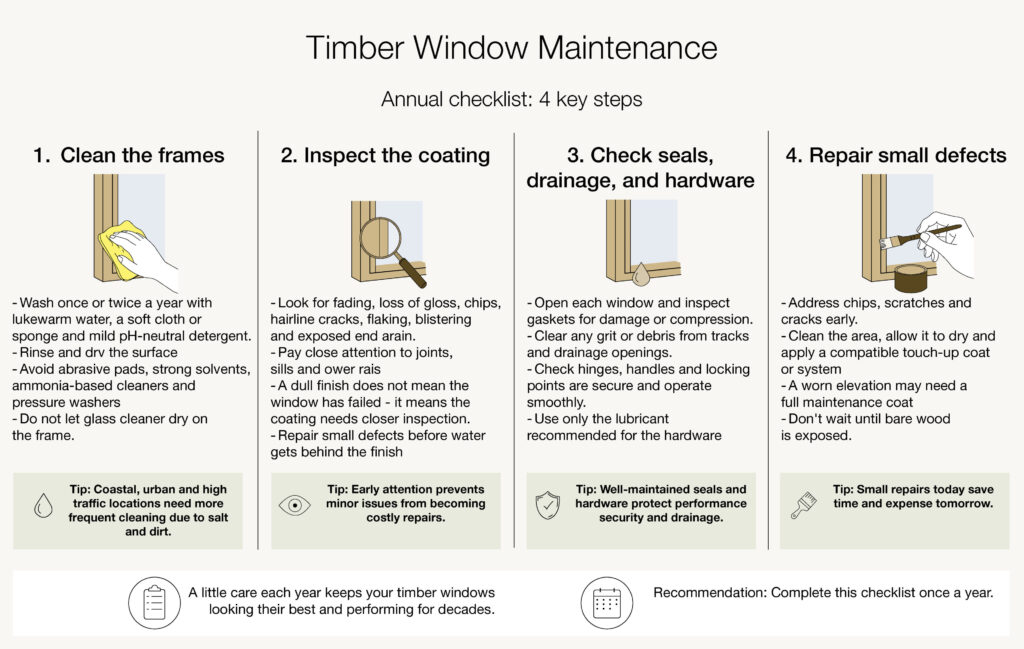
We use engineered wood across our ranges and a four-stage treatment process for an even, durable finish. Frame joints, coating, glazing, seals, hardware and installation must work together. Timber cannot compensate for failed perimeter sealing or trapped water.
Coating wear is not the same as timber failure. A finish can lose sheen or show minor surface wear long before the timber beneath is at risk. A maintenance coat renews protection before stripping or extensive repair is needed.
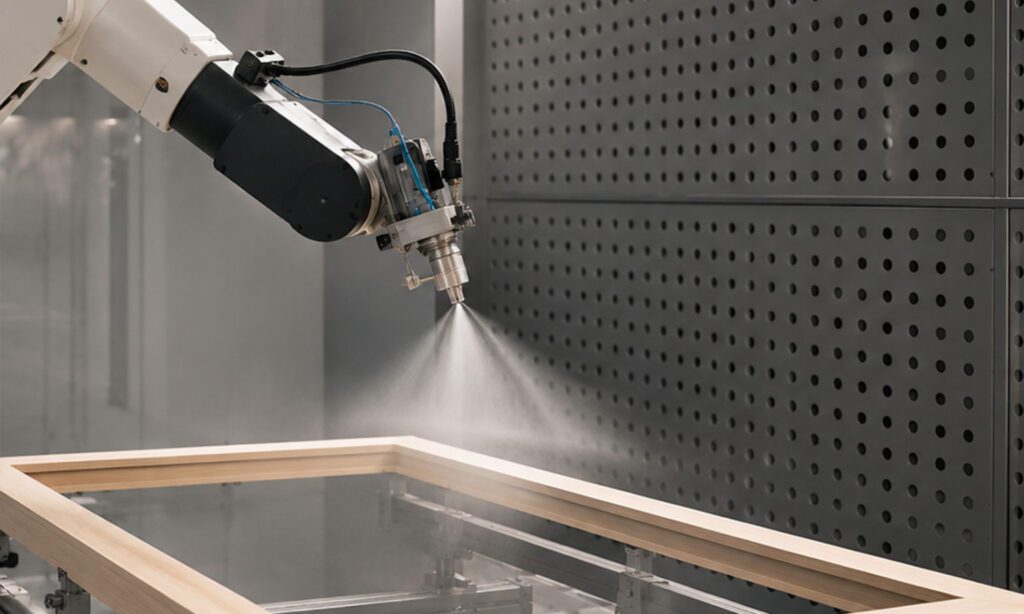
What timber window maintenance involves: An annual checklist
A practical timber window maintenance routine has four parts.
1. Clean the frames
Wash external frames once or twice a year with lukewarm water, a soft cloth or sponge and mild pH-neutral detergent. Rinse and dry the surface.
Avoid abrasive pads, strong solvents, ammonia-based cleaners and pressure washers. Do not leave glass cleaner to dry on the frame. Coastal, urban and heavily trafficked locations need more regular washing because salt and airborne dirt settle on the finish.
2. Inspect the coating
Check for fading, loss of gloss, chips, hairline cracks, flaking, blistering and exposed end grain. Pay close attention to joints, sills and lower rails.
A dull finish does not mean the window has failed. It means the coating needs closer inspection. Repair small defects before water gets behind the paint or stain.
3. Check seals, drainage and hardware
Open each window and inspect the gaskets, drainage routes, hinges, handles and locking points. Remove grit from tracks and drainage openings. Use only the lubricant recommended for the hardware.
4. Repair damage early
A local chip may need light preparation and a compatible touch-up coat. A worn elevation may need a full maintenance coat. Leaving a failed coating until bare wood is exposed turns a small job into a larger one.
When do timber windows need repainting?
There is no single repainting date that suits every timber window. The product manual and coating warranty should come before a generic timetable.
For planning, modern factory-finished timber windows are commonly placed in a five to ten-year range. Sheltered, light-coloured frames may go longer. Dark finishes, strong sun, driving rain, coastal salt and high-level exposure can shorten the interval.
| Exposure | Planning range before a maintenance coat |
| Sheltered elevation with a light finish | Around 8 to 10 years |
| Standard UK exposure | Around 5 to 8 years |
| Highly exposed, coastal or dark-finished frame | Around 3 to 6 years |
Rather than firm promises, these timeframes serve as prompts for inspection. Recoating intervals should be led by the finish condition. Timely work may need cleaning, light abrasion and fresh topcoat instead of stripping back to bare timber.
Timber window lifespan is not the same as coating life. Accoya is modified to reduce swelling and shrinkage, which can improve coating life. A Heriot-Watt University service-life study modelled a 10 to 12-year maintenance period for factory-finished Accoya window frames and 5 to 7 years for standard timber under its stated assumptions. The same study estimated a maintained Accoya frame service life of 77 to 90 years across severe to mild exposure scenarios.
These statistics do not represent a product guarantee. Coating system, window design, manufacture, installation and site conditions still shape the result.
Speak to one of our experts to get started
Whatever your requirements, we’ll advise, inspire and support your plans to deliver your architectural vision.
What changes in coastal or exposed locations?
Timber windows remain a viable option for exposed sites, though they require more careful specification and attentive aftercare.
Salt, strong sunlight, wind-driven rain and long wetting periods place greater stress on external finishes. South and south-west elevations may need attention before sheltered north-facing windows on the same building. Dark colours can heat up more in direct sun and place added stress on the coating.
We review timber species, finish, colour, sill design, water shedding, joint protection, hardware grade and maintenance access against the site. Marine settings may call for stainless steel hardware and a coating build-up suited to salt exposure. Frames also need more regular washing.
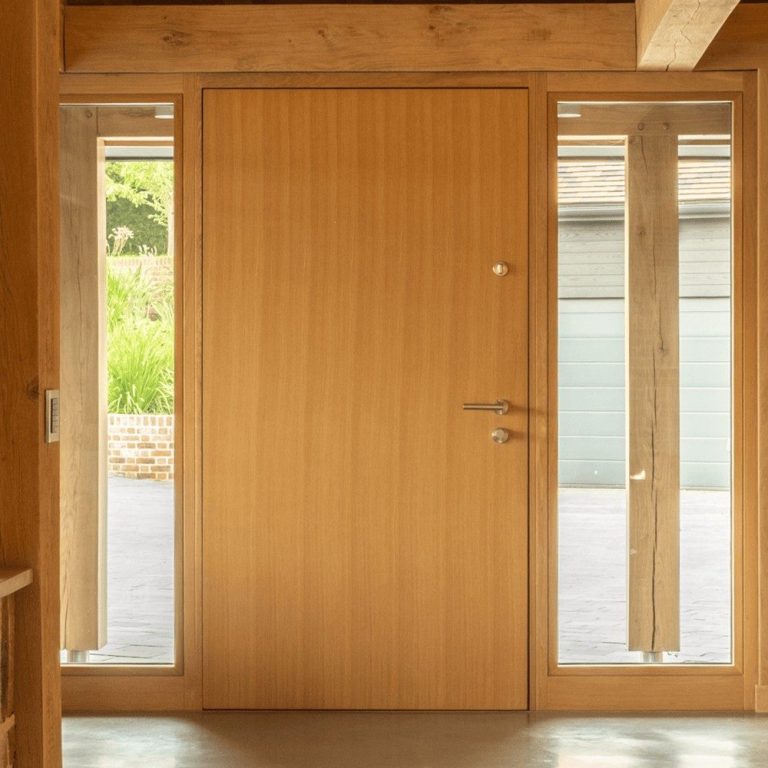
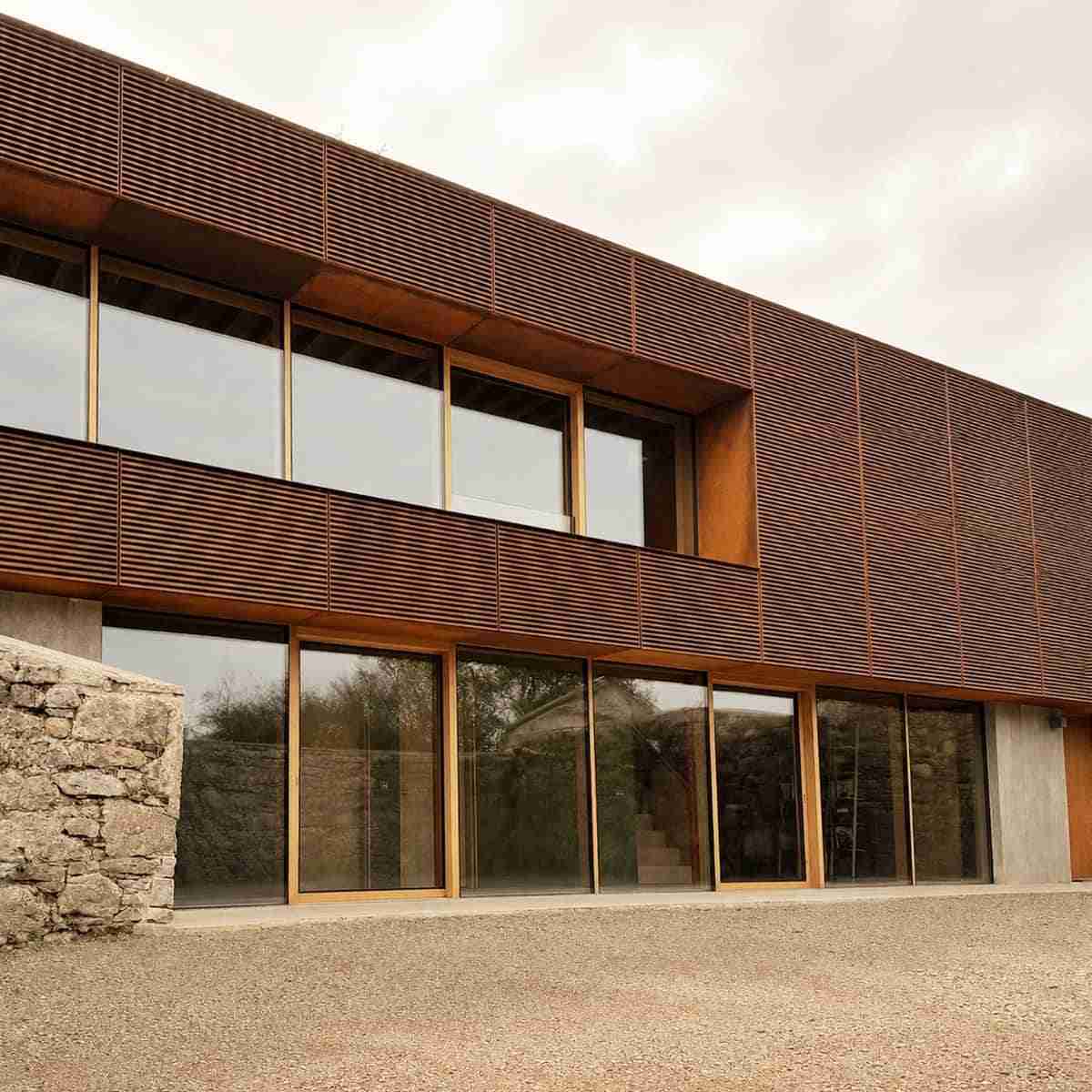
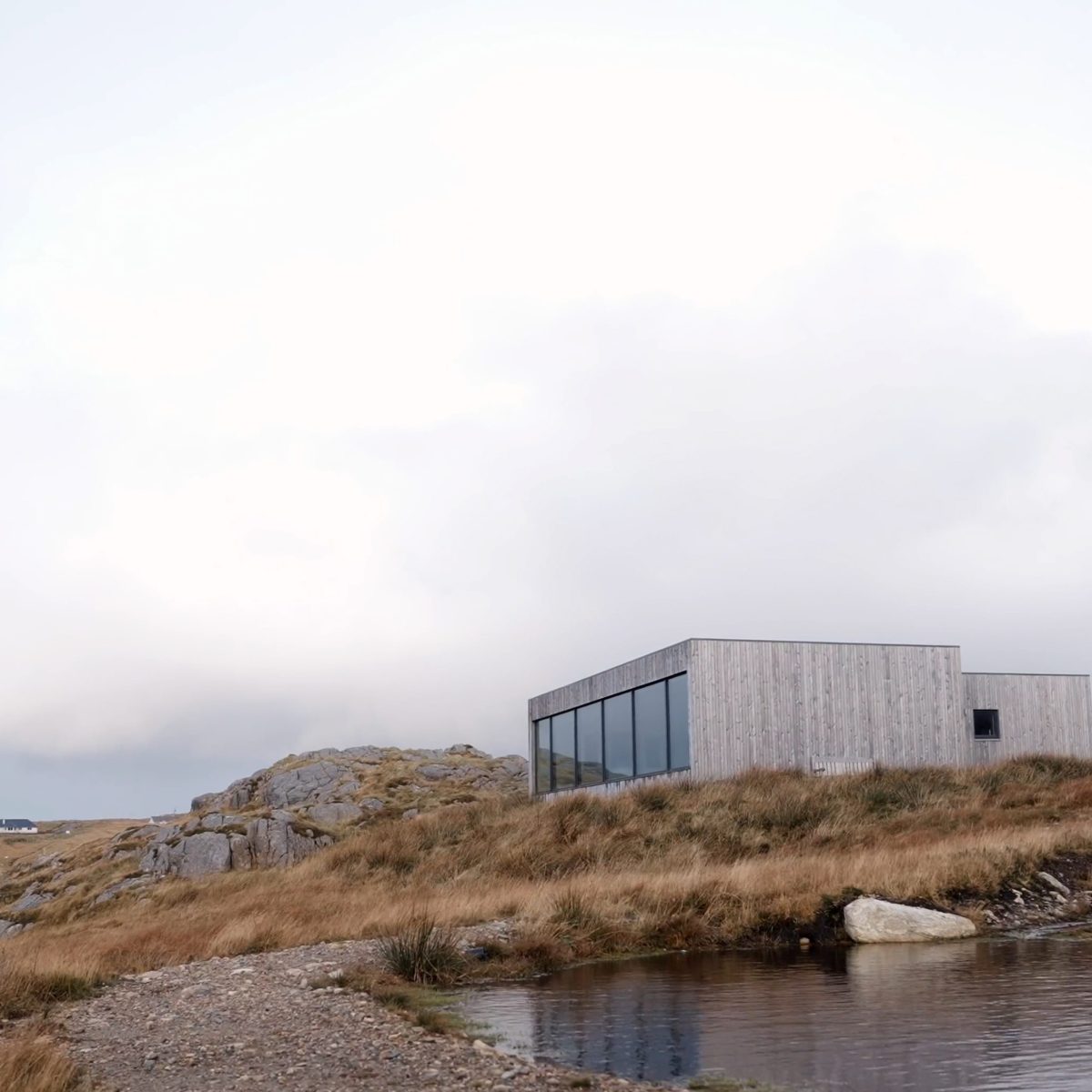
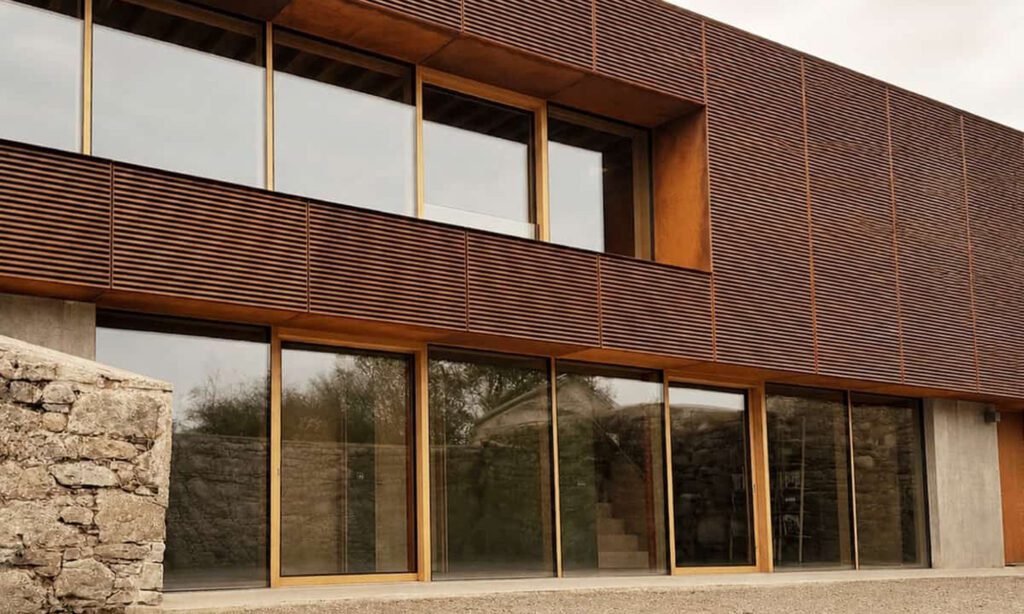
For Skye Retreat on the Isle of Skye, we supplied Vantage Modern oak windows and sliding doors across large glazed elevations. It is a useful all-timber project reference for a remote site, but not a universal maintenance timetable.
Aluminium cladding still needs care. Powder-coated aluminium should be washed with a mild pH-neutral cleaner and checked for surface damage. Coastal and polluted sites need more cleaning than rain-washed rural elevations. Aluminium reduces external repainting, but it does not remove cleaning, seal checks or hardware care.
Timber vs alu-clad window maintenance
Our Vantage and Endurance ranges share an engineered timber structure, but the external maintenance is different.
| Maintenance point | Vantage timber windows | Endurance timber-aluminium windows |
| External face | Factory-finished timber | Powder-coated aluminium shell |
| Routine care | Cleaning, inspection, seals and hardware | Cleaning, inspection, seals and hardware |
| Exterior coating work | Recoat when the finish wears | No external timber recoating |
| Repair route | Timber can be prepared and refinished | Damaged powder coating may need specialist repair |
| Strong fit | Visible external timber and planned care | Lower external intervention or difficult access |
Endurance does not make maintenance disappear. Its main benefit is that the external timber is shielded from direct rain and sunlight.
Vantage can be the better choice when the building calls for timber inside and out, when access is easy or when future colour renewal is useful. It also carries a lower initial cost than a true timber-aluminium system in many projects.
Maintenance access, cost and disruption
A ground-floor window beside a terrace is easy to inspect and refresh. A window over a double-height void or on a tight urban elevation may need scaffolding, a tower or specialist access. That access cost can outweigh the coating work.
We discuss this early for multi-storey homes, roof glazing and exposed sites. Our tilt-and-turn windows open inward for easier cleaning and inspection from inside. Fixed glazing and inaccessible frames still need a safe cleaning route.
A planned maintenance coat is also different from restoring a neglected window. When the coating is sound, the work may involve cleaning, light sanding, local repair and compatible topcoats. Cost rises when access is difficult or the finish has been allowed to fail.
We compare the initial price with future access, coating cycles and the owner’s appetite for planned upkeep. Aluminium cladding earns its extra cost when it solves an exposure, access or design need.
When all-timber windows are still the better choice
We may recommend Vantage when the exterior should read as real timber, the project has heritage or natural-material character, access is straightforward or the owner values repairability and future colour changes.
On the other hand, we may recommend Endurance when high-level access would make recoating costly, the site has severe exposure, the exterior needs a powder-coated finish or reduced external intervention is a firm part of the brief.
We do not treat one range as superior. Some owners value a material that can be renewed and changed over time. For them, periodic surface renewal is part of caring for the building. We look at each elevation and how the owner wants to care for it.
Aftercare, inspection records and warranties
Keep the product manual, coating reference, colour code and warranty documents with the building records. Warranty terms may depend on cleaning, inspection, installation, location and approved repair materials.
Record inspection dates, coating wear and completed work. Use compatible products for touch-ups and recoating. Mixing coating systems can affect adhesion, appearance and warranty cover.
Talk to us about the right maintenance level
Timber does need care, but the phrase “high maintenance” gives the wrong impression of a modern factory-finished window.
We can compare Vantage and Endurance against your site exposure, elevations, access, finish choices and long-term budget. You will receive a window specification that fits the building and a maintenance plan you can live with. Contact us to discuss your project needs.
FAQs about timber window maintenance
Are timber windows high maintenance?
No. Modern engineered timber windows need cleaning, inspection and periodic recoating. They require more exterior finish care than alu-clad windows, but the work is planned at multi-year intervals.
When should timber windows be repainted?
Many factory-finished timber windows fall within a five to ten-year planning range. Sheltered light-coloured frames may last longer. Coastal exposure, dark colours, strong sun and driving rain can bring the work forward.
What are low-maintenance timber windows?
They use stable engineered sections, protected joints and factory-applied coating systems. Modified timber, including Accoya, can extend coating life by reducing swelling and shrinkage.
How long do timber windows last?
Well-made timber windows can remain serviceable for many decades when coatings, seals, hardware and installation are cared for. Service-life claims must be read alongside their exposure assumptions and maintenance plan.
Can timber windows rot?
Timber can decay when it stays wet and unprotected. Correct detailing, intact coatings, sealed joints and good water shedding help keep moisture out.
Are timber-aluminium windows maintenance-free?
No. Alu-clad windows remove external timber recoating, but the aluminium finish still needs washing. Seals, drainage, hinges, locks and handles still need care.
Are timber windows suitable for coastal homes?
Yes, when the timber, coating, hardware and detailing are selected for marine exposure. Coastal windows need more regular washing and inspection. Alu-clad construction may reduce exterior coating work.
Can tilt-and-turn windows be cleaned from inside?
Yes. A tilt-and-turn window can open fully inward, giving access to the outer face of the sash. The surrounding fixed frame and fixed glazing still need safe access.