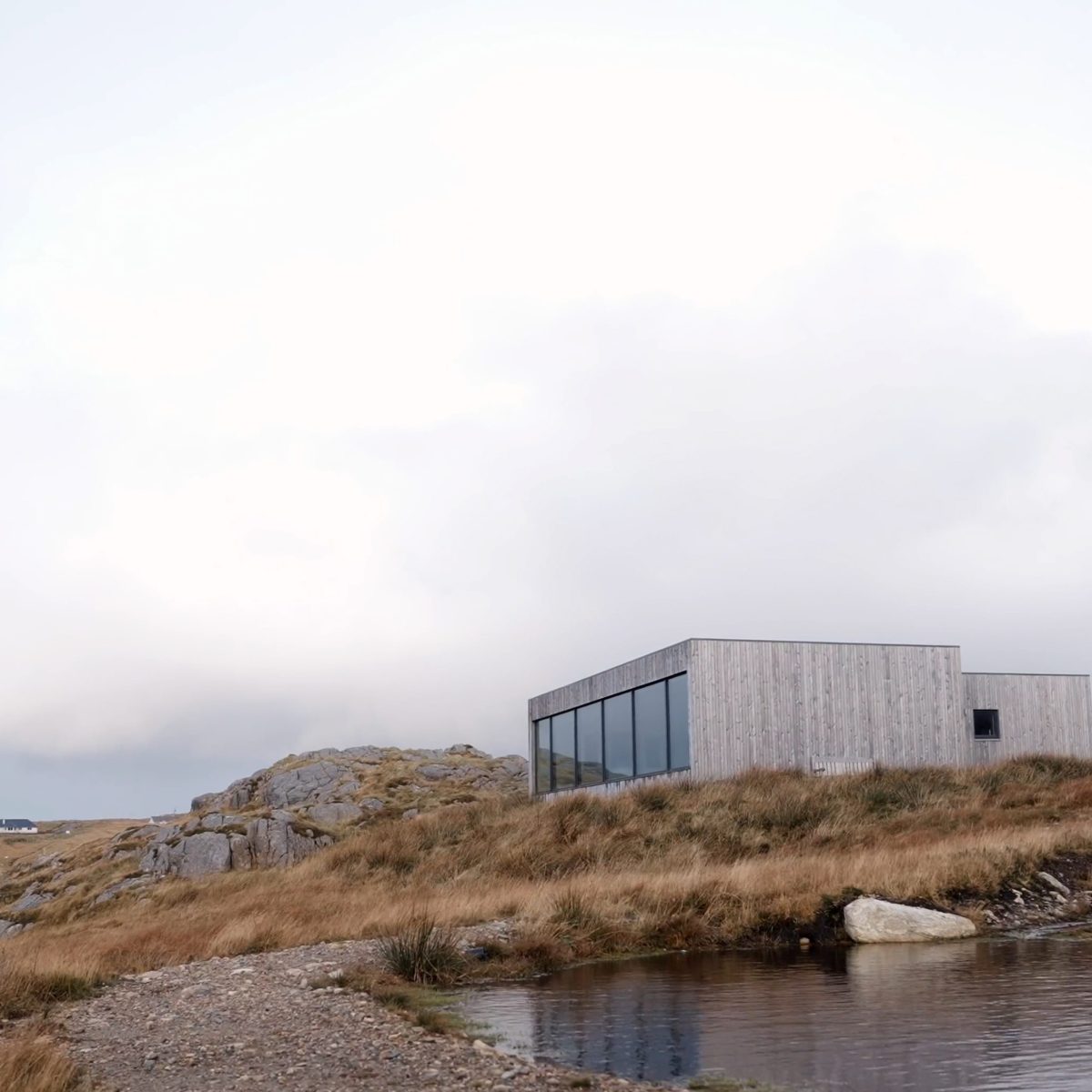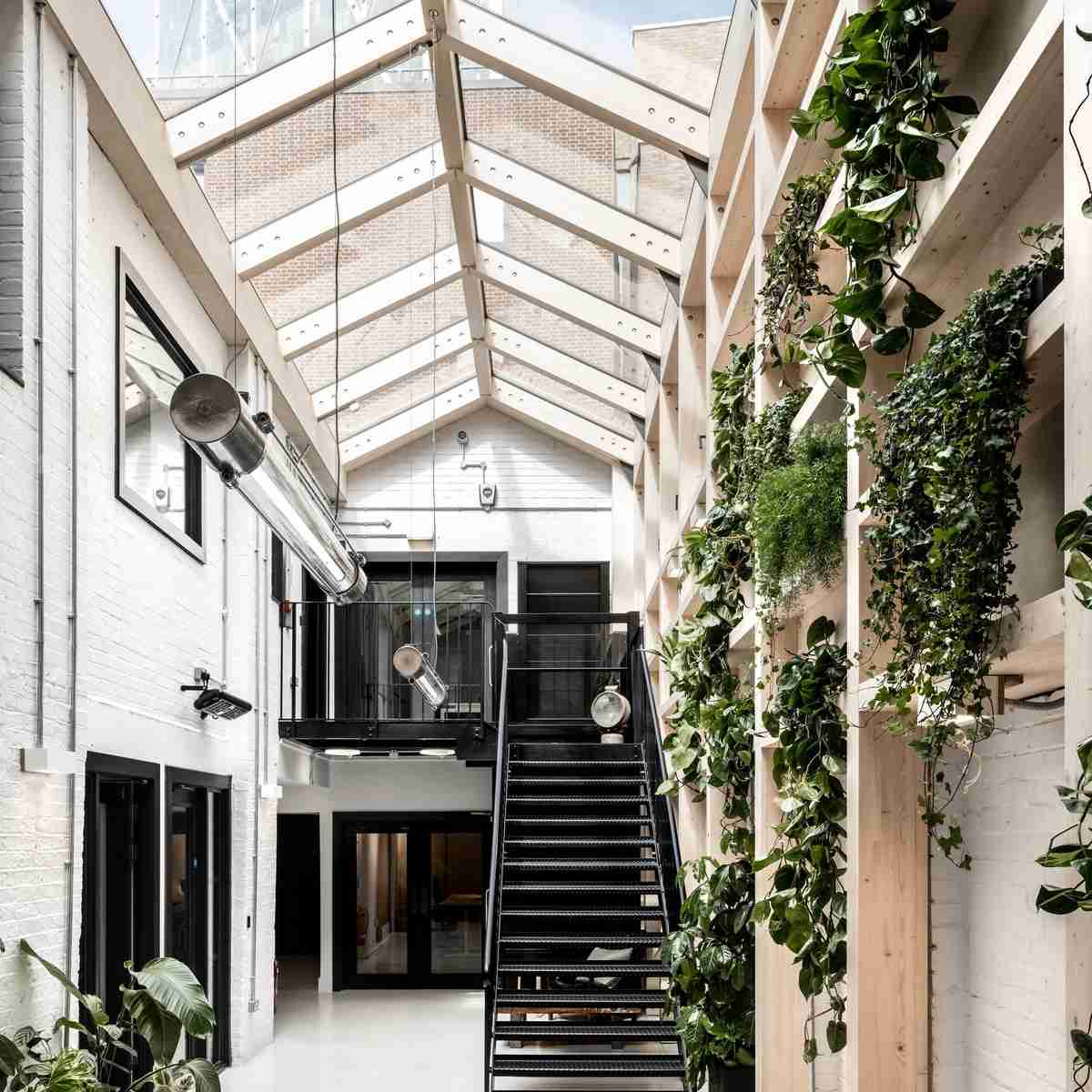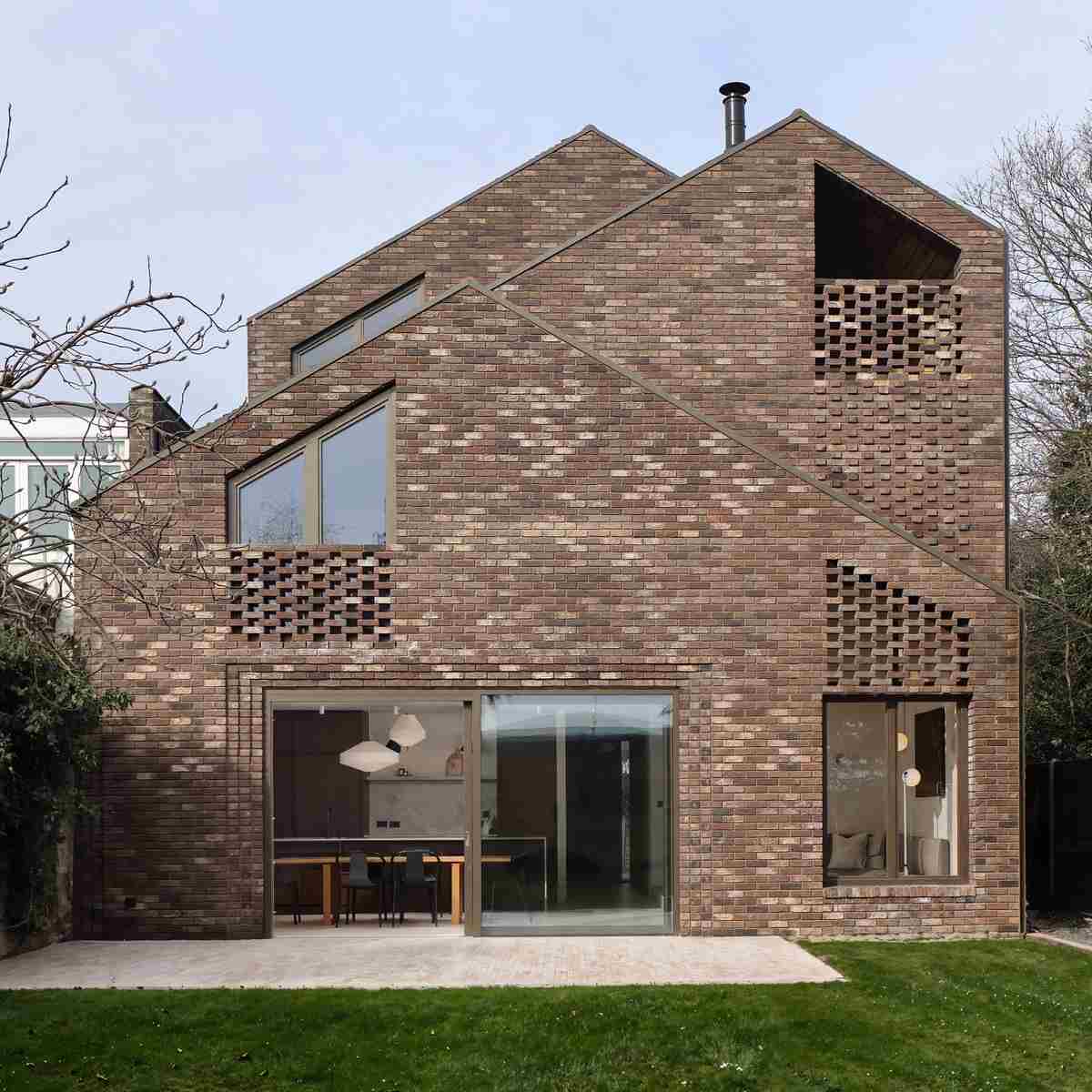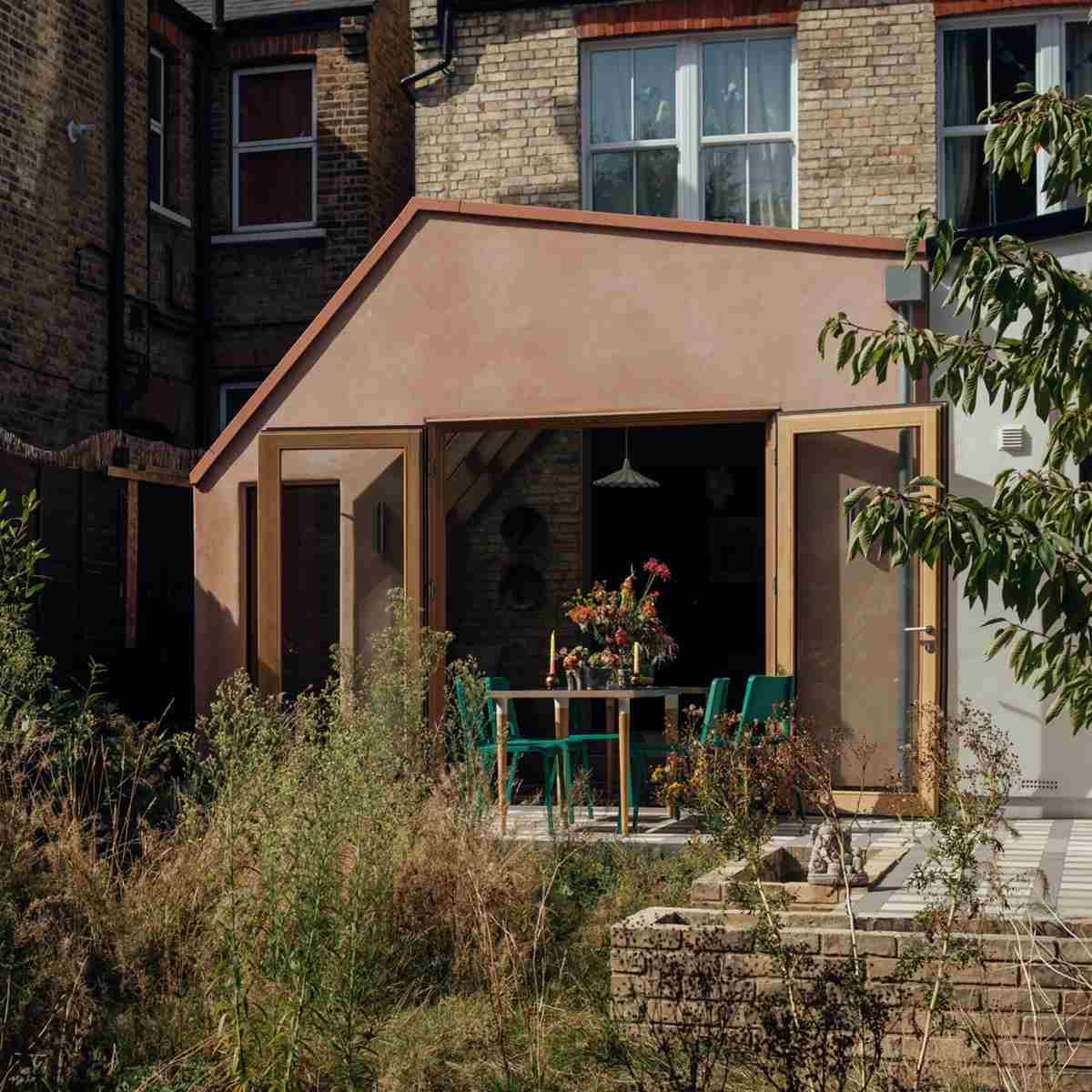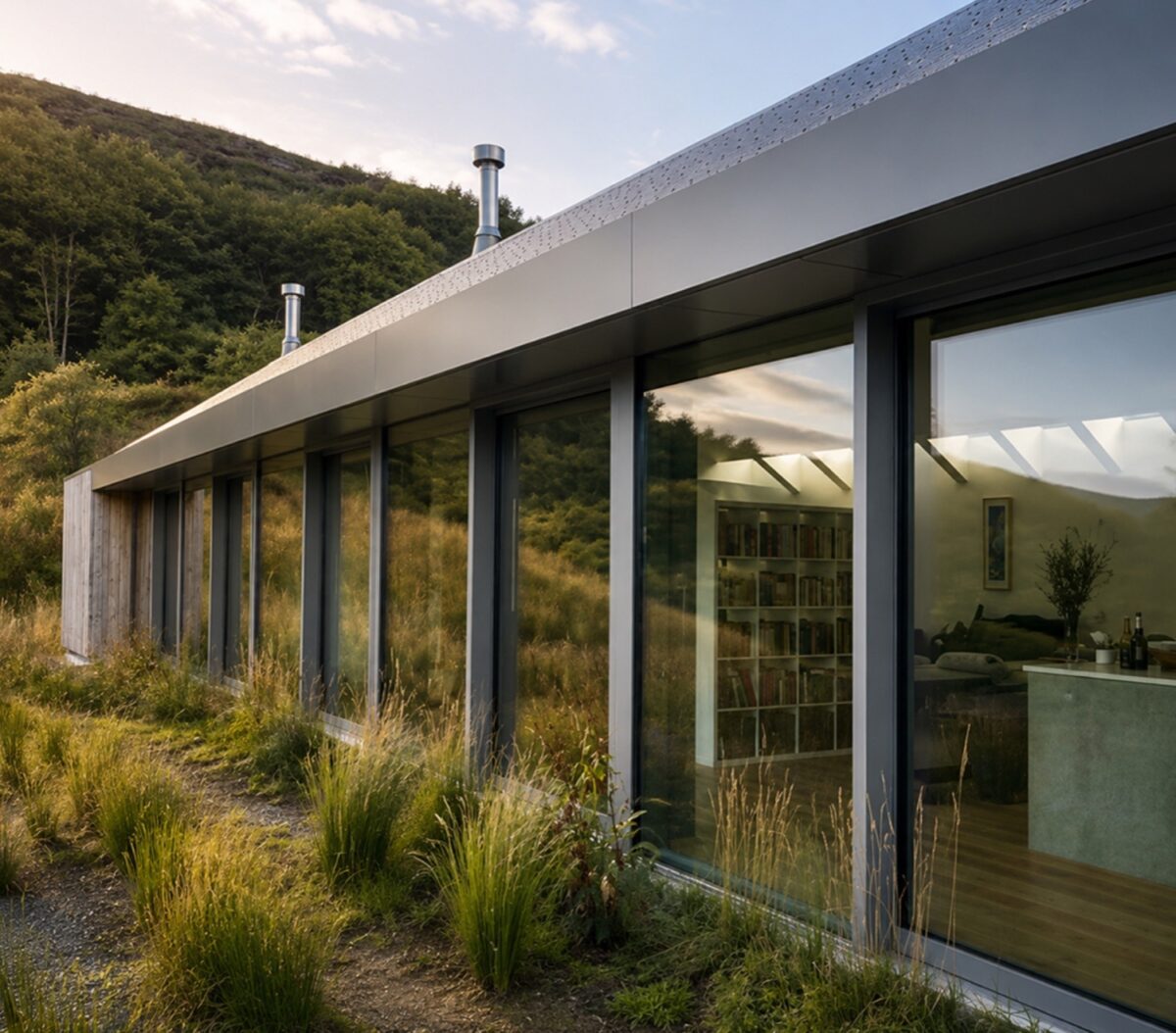
Coastal architecture introduces a set of environmental conditions that can accelerate the ageing of materials. Salt-rich air, persistent wind-driven rain and elevated ultraviolet exposure place particular demands on the building envelope. It is therefore understandable that material selection becomes a focal point in early design discussions.
Properly engineered, factory-finished and well-detailed timber windows can perform well in coastal homes. A more exposed building may be better served by timber-aluminium windows, where an external aluminium shell shields the timber core. The best answer depends on salt exposure, prevailing wind, façade protection, maintenance access and the coating and hardware specification.
Table of Contents
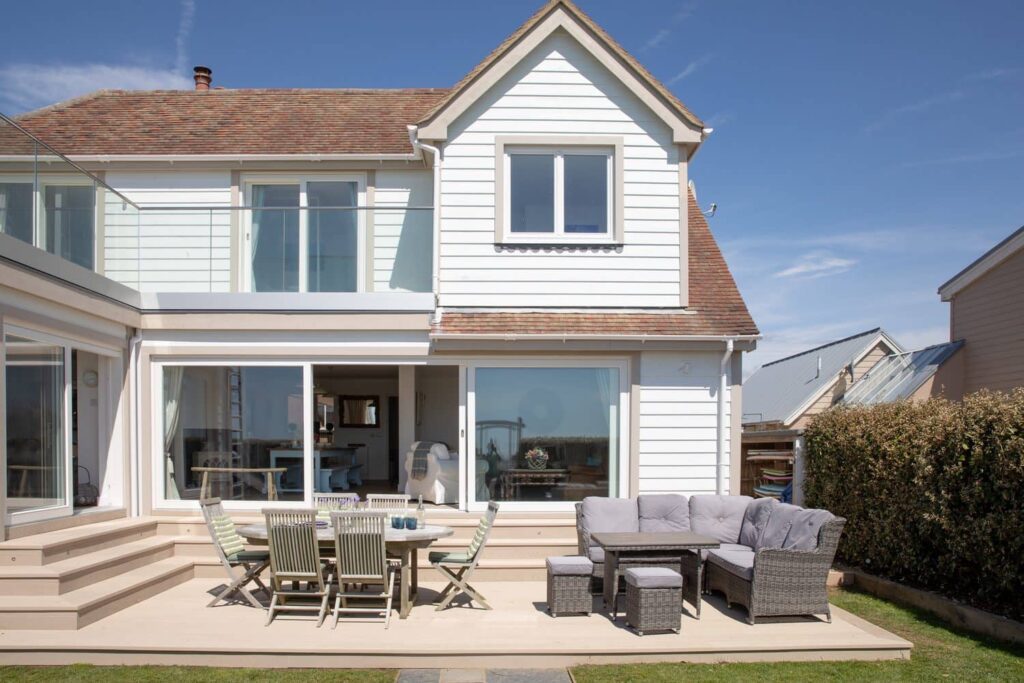
What salt air and coastal exposure actually affect
Salt does not attack every part of a window in the same way. Chloride deposits can weaken protection on metals and promote corrosion at damaged coatings, cut edges and unsealed junctions. Timber does not corrode, but repeated wetting, ultraviolet exposure and moisture movement can shorten the life of an external coating if water is allowed to sit.
The moving parts face their own risks. Hinges, locks, rollers and screws can corrode before the frame shows visible damage. Salt left on gaskets can dry on the surface and make cleaning harder. Deposits on glass can mark the outer face. Driving rain can find weaknesses in perimeter seals, drainage paths and installation joints.
Distance from the sea is only one measure of exposure. We also look at:
- whether the elevation faces the prevailing wind
- the building’s height and direct line to the water
- nearby cliffs, dunes, trees or buildings that provide shelter
- deep eaves, reveals, balconies and recessed openings
- direct salt spray, not just salt carried in the air
- how quickly the frame and sill can drain and dry
- safe access for washing, inspection and repair
A house several kilometres inland on an open headland can receive more salt and wind than a building closer to the shore behind a sheltered harbour wall. Each elevation may need a different response.
Timber windows in coastal environments
Timber’s main coastal risks are moisture movement, coating breakdown and poor water management. Salt air does not cause timber to rust. Decay becomes a risk when moisture enters vulnerable joints or end grain and the design prevents the timber from drying.
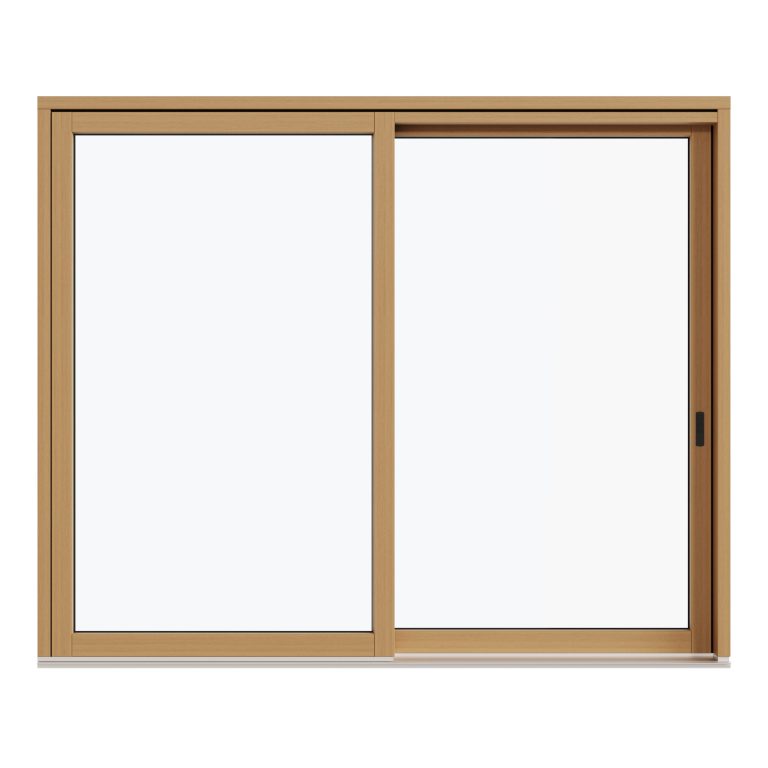
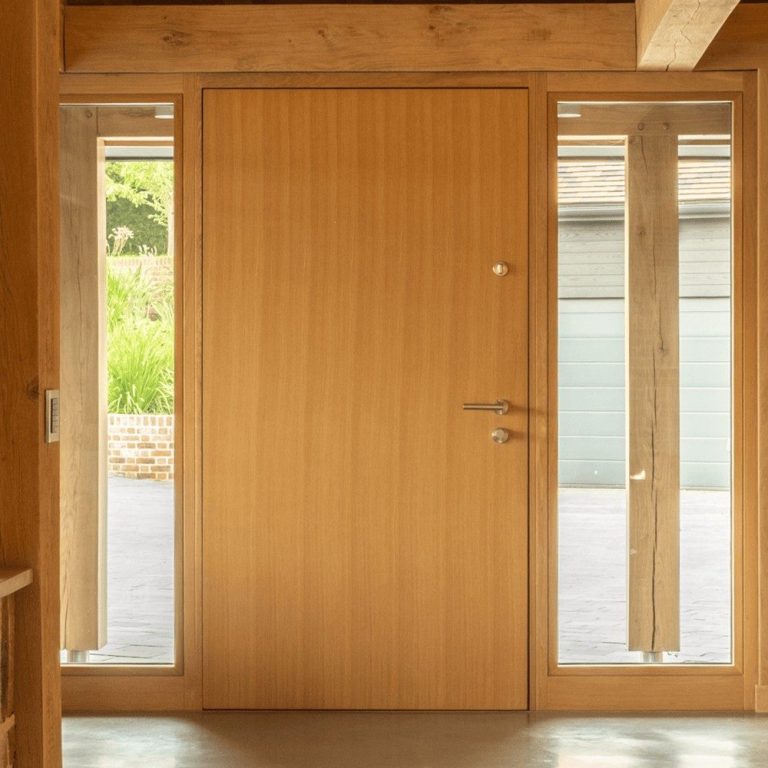
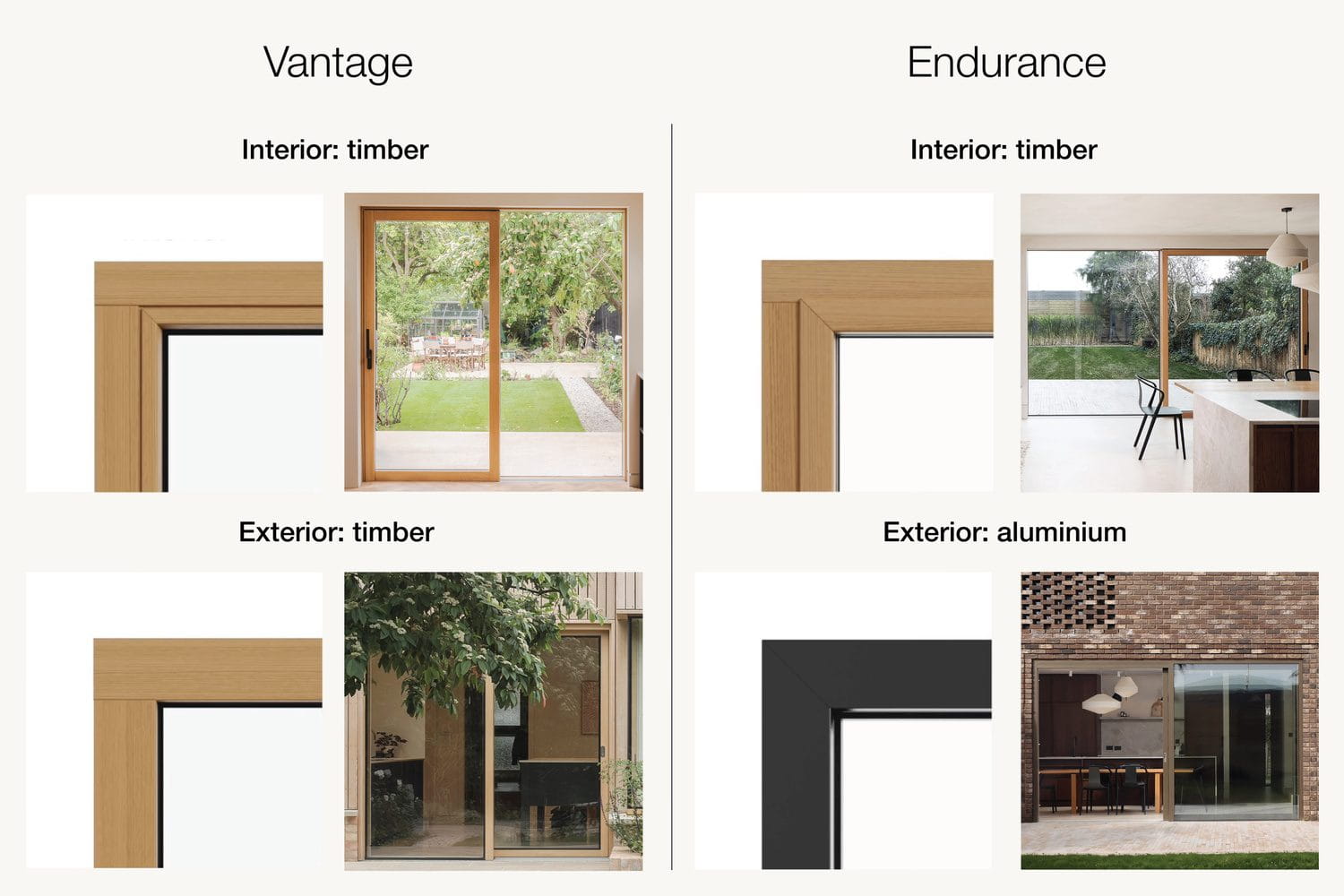
Our Vantage systems use laminated, kiln-dried engineered timber. Laminating sections improves stability and helps limit twisting or warping. Factory application gives primers, intermediate coats and topcoats controlled coverage that cannot be matched by painting unfinished joinery after installation.
Timber species still matters. Modified timber can add another level of resistance. Accoya is produced through acetylation, which reduces its tendency to absorb water and improves dimensional stability. Its published technical information places it in Durability Class 1 and reports much lower movement than many familiar joinery timbers. Less movement beneath a paint film means less stress on the coating, and lengthens their lifespan.
No timber removes the need for sound detailing. We look for sealed end grain, rounded edges that accept an even coating, filled construction joints, drained glazing rebates, sloped cills and no ledges where water can stand. South-west facing elevations with little shelter will need closer inspection than openings under deep eaves.
Coastal performance in timber is not a test of whether wood can survive beside the sea. It is a test of how the window is made, coated, installed and cared for.
Aluminium and alu-clad windows in coastal environments
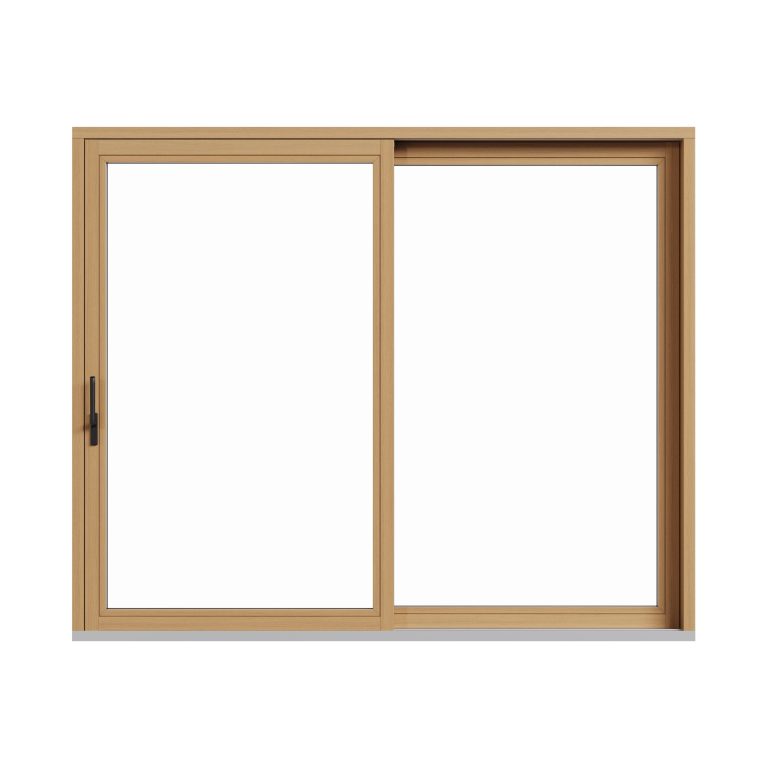
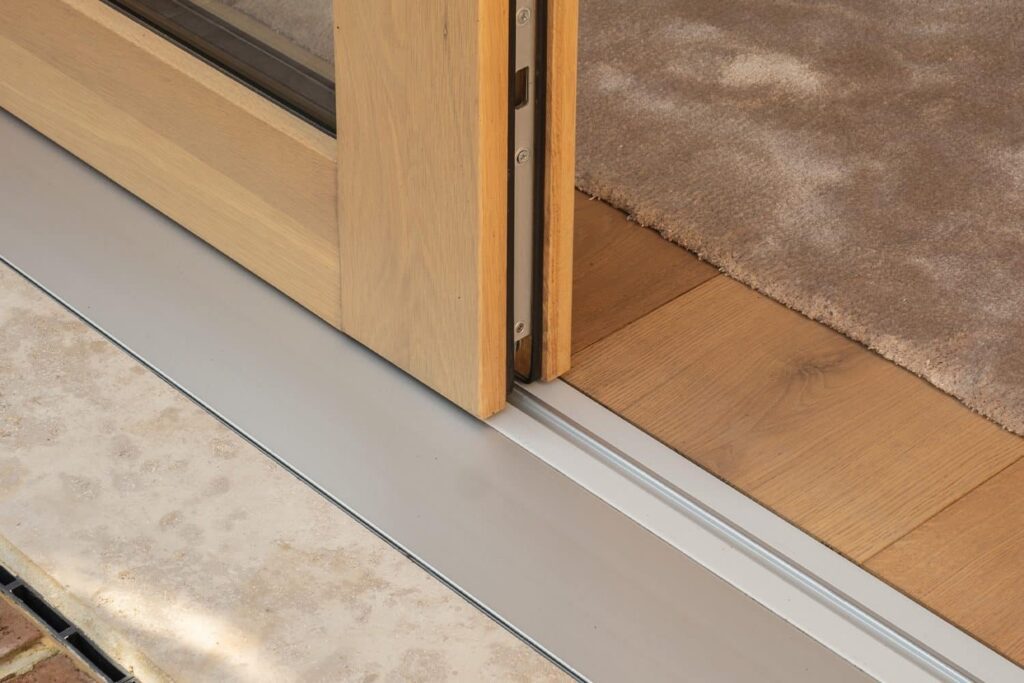
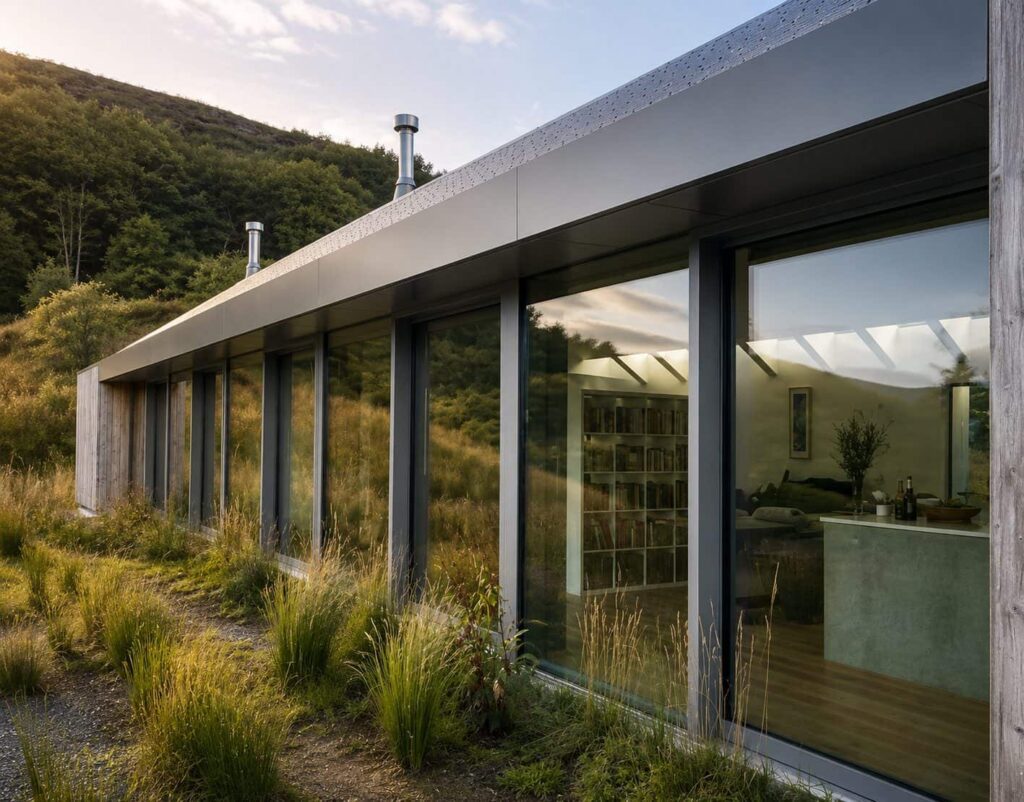
Aluminium does not absorb water, swell or warp. These traits make it useful on elevations exposed to repeated wetting and drying. In our Endurance systems, the aluminium outer shell takes the direct weather exposure and the timber remains on the warm side of the construction. The external maintenance cycle is reduced without losing the appearance and thermal qualities of timber inside.
Aluminium is not immune to salt. Its protection depends on the alloy, pretreatment, powder coating, application quality and treatment of edges and joints. Chlorides can exploit a scratch, cut edge or poorly sealed mitre and allow corrosion to spread beneath the coating. This can lead to loss of adhesion and flaking around a local defect.
A request for a “marine-grade finish” needs proof behind it. QUALICOAT sets requirements for architectural aluminium coating and grants approvals to coating systems and licensed applicators. Its optional Seaside class calls for a deeper pretreatment etch to remove more surface contamination before coating.
We use high-weather-resistance coatings as standard, backed by a ten-year guarantee in coastal environments. We still review corners, cut edges and interfaces carefully. Where the budget allows, we recommend welded aluminium mitres. Welding closes the vulnerable cut edge and reduces the route through which salt can get beneath the powder-coated layer.
Alu-clad windows make exposure easier to manage, but they do not turn the façade into a maintenance-free surface. The exterior still needs washing, damage should be repaired and drainage routes must remain open.
Hardware, gaskets, glass and perimeter seals
Frame material receives most of the attention, yet smaller components can decide how well marine environment windows age.
Coastal-grade hardware and fixings
Hinges, handles, locks, keeps, rollers and track components need a declared corrosion-resistant finish suited to the site. Our coastal-suitable window mechanisms have a protected finish backed by a ten-year guarantee for coastal locations.
Fixings also need review. A4 stainless steel, commonly linked with grade 316, is a sound choice for demanding coastal exposure. Accoya’s technical information recommends A4 stainless steel in coastal regions and warns against combinations that invite galvanic corrosion.
Large sliding doors deserve extra care. Salt and fine grit can collect in tracks, around rollers and near drainage outlets. The leading aluminium sliding doors for coastal properties are not defined by frame finish alone. Track design, roller protection, drainage, threshold cleaning and access to serviceable parts carry equal weight.
Gaskets and seals
Good EPDM or equivalent gaskets need regular cleaning with fresh water and a mild product approved by the supplier. Dried salt and grit should not be allowed to build up around opening lights. Avoid solvents, abrasive pads and unapproved lubricants, which can damage gasket material or attract debris.
Perimeter seals must resist wind-driven rain and allow concealed moisture to drain. The installation should not trap water between the window and the wall. Cills, membranes, sealants and cavity closures need to work as one weather line.
Glass
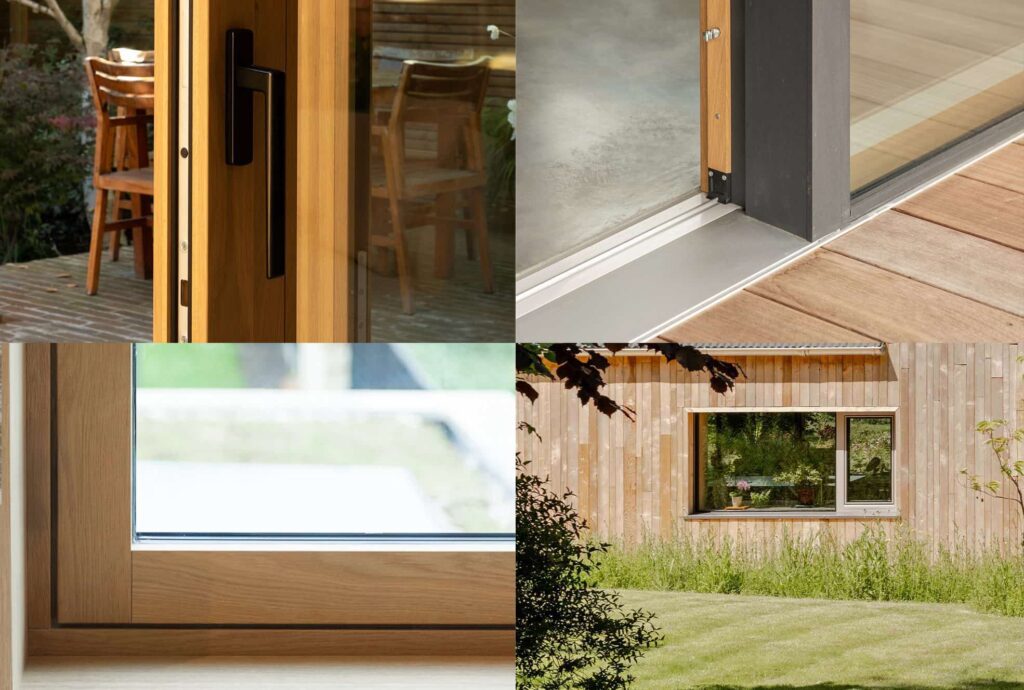
The glass specification must respond to wind pressure, safety, solar gain, thermal performance and exposure. Salt deposits should be rinsed away before wiping so crystals do not scratch the surface.
Wind-driven rain and weather performance
Coastal windows must resist more than material ageing. High wind creates pressure across the glass and frame, then drives water towards joints and opening seals. A sheltered suburban test result should not be assumed to suit an exposed headland.
We match the windows and doors to the building’s size, height, location and façade exposure. Ask for declared results covering air permeability, watertightness and resistance to wind load. These classifications let the architect compare tested performance with the project’s design pressures.
Installation remains part of that performance. A high-rated window can still leak if the opening is poorly prepared, fixings are wrong, membranes are discontinuous or drainage is blocked. The window, wall build-up and perimeter seal should be reviewed together.
Thermal performance, appearance and whole-life cost
Coastal durability does not decide thermal performance. Compare the declared whole-window U-value, not the glass value alone. Timber has low thermal conductivity and a timber-aluminium system retains that timber structure behind the outer metal shell. A fully aluminium window relies on a well-designed thermal break to limit heat flow through the frame.
The visual choice is just as project-led. Exposed timber can suit conservation buildings and coastal homes designed around natural materials. Aluminium cladding offers a broad colour range and a more uniform external finish, with timber still visible inside.
Cost should include access and maintenance across the service life. Fully timber construction can have a favourable purchase price, then carry more external coating work on exposed elevations. Alu-clad construction costs more at the start but can reduce external intervention. Scaffolding, specialist access and disruption can outweigh the frame-price difference on a tall or remote building.
Speak to one of our experts to get started
Whatever your requirements, we’ll advise, inspire and support your plans to deliver your architectural vision.
How to reduce maintenance in marine locations
Salt control starts with fresh-water washing. Do not wait for a white crust to become visible. Rinse the frame, glass, gaskets, tracks and drainage openings, then use a soft cloth with a mild neutral cleaner approved for the finish. Rinse again with clean water.
Use this initial schedule when planning access. The coating, hardware and glass supplier instructions and warranty conditions take priority.
| Exposure | Fresh-water wash-down | Visual inspection |
|---|---|---|
| Sheltered coastal elevation with no direct spray | Every three months | Every six months |
| Open elevation exposed to salt-rich wind | Monthly and after severe storms | Every three months |
| Direct marine spray or hard-to-reach façade | Project-specific plan with cleaning after heavy salt deposition | Planned professional inspection at least every three months |
Timber coatings should be inspected before peeling begins. Look at lower rails, cills, joints, beads and south or west-facing surfaces. Early local repair protects the factory coating and is less disruptive than allowing water to enter the timber.
Powder-coated aluminium should be checked for chips, scratches, blistering or changes around mitres and fasteners. Tracks should be vacuumed or rinsed as the system permits. Moving hardware should be serviced and lubricated only with approved products.
Maintenance access belongs in the building design. Opening lights that can be cleaned safely from inside, reachable external faces, discreet anchor points and sensible planting all lower future cost.
When timber still makes sense by the coast
We are comfortable recommending coastal timber windows when the construction and care plan fit the exposure. Vantage can be a strong choice when:
- the architecture calls for timber on the exterior and interior
- conservation or planning requirements favour authentic timber profiles
- openings sit beneath eaves, in deep reveals or on sheltered elevations
- the owner accepts inspection and condition-led recoating
- safe access for washing and local repair has been designed
- engineered timber, suitable species and a factory coating system are specified
Modified timber has added value where movement and coating life are concerns. It does not excuse weak junctions or a poor installation.
When timber-aluminium is the safer choice
We tend to recommend Endurance coastal alu-clad windows where:
- the elevation receives direct salt-rich wind or sea spray
- façade access is expensive or restricted
- the project needs longer external coating intervals
- large windows or sliding doors face repeated wetting and strong wind
- the client wants timber inside with a metal outer finish
- several exposed elevations make external timber maintenance impractical
For the harshest sites, the aluminium shell still needs the right pretreatment and coating, welded or fully sealed mitres, upgraded hardware, compatible fixings and a written wash-down plan.
Best windows for coastal homes by exposure
| Site condition | Strong starting choice | What still needs to be specified |
|---|---|---|
| Sheltered coastal village or harbour elevation | Vantage timber or Endurance timber-aluminium | Factory finish, drainage, suitable hardware and routine washing |
| Open coast with salt-rich prevailing wind | Endurance timber-aluminium | Coastal coating proof, sealed edges, A4 fixings and closer wash-down |
| Headland or direct spray zone | Endurance with enhanced coastal specification | Project-tested weather performance, welded mitres, upgraded hardware and planned access |
| Conservation building where external timber is required | Vantage timber, with modified timber considered | Traditional profile, factory coating, protected joints and condition-led recoating |
| High or inaccessible façade | Endurance timber-aluminium | Cleaning access, replaceable seals, inspectable drainage and documented maintenance |
These are primarily selection routes, not substitutes for project data. One home can need a different answer on its sheltered and exposed elevations.
Coastal window specification checklist
Before approving timber windows or aluminium windows for coastal areas, confirm:
- Site exposure by elevation, including prevailing wind, building height and direct spray
- Declared air permeability, watertightness and wind-load resistance
- Engineered timber species, modification and moisture-controlled manufacture
- Factory timber coating system and warranty conditions
- Aluminium alloy, pretreatment, powder class, applicator approval and coastal warranty
- Treatment of mitres, drainage slots, cut edges and site-made penetrations
- Corrosion-resistant hinges, locks, rollers, keeps and handles
- A4 stainless or another confirmed compatible fixing specification
- Gasket, sealant and membrane compatibility
- Drained glazing rebates, sloped cills and clear water paths
- Fresh-water wash-down frequency and approved cleaning products
- Safe access for inspection, cleaning, recoating and component replacement
We have worked with timber and timber-aluminium glazing in coastal and highly exposed settings across the UK. Bring us the site location, elevations and project requirements early and we can help compare Vantage and Endurance against the real exposure instead of relying on a material assumption.
For a wider comparison of construction, cost, thermal performance and design choice, read our timber vs composite windows guide.
FAQs about coastal timber and aluminium windows
What type of windows are best for coastal homes?
The best windows for coastal homes match the exposure of each elevation. Engineered, factory-finished timber suits many sheltered and accessible sites. Timber-aluminium windows are a stronger fit where salt-rich wind, direct spray or difficult maintenance access increases external wear.
Are timber windows suitable for coastal areas?
Yes. Coastal timber windows need stable engineered sections, a suitable species, controlled factory coatings, drained details, sealed end grain, compatible hardware and planned care. Modified timber, including Accoya, can reduce moisture movement and stress on the coating.
Does aluminium corrode near the sea?
Yes. Aluminium resists moisture well, but salt can promote local corrosion where pretreatment is weak or the coating is cut, scratched or poorly sealed. Coastal coating preparation, protected edges, sealed mitres and regular washing reduce this risk.
What coating is best for aluminium windows near the coast?
Specify a tested architectural powder-coating system with suitable weathering performance, enhanced coastal pretreatment and a written coastal warranty. QUALICOAT Seaside class is useful evidence because it raises the aluminium pretreatment requirement before powder coating.
Are alu-clad timber windows good for coastal homes?
Yes. Alu-clad timber windows shield the timber from direct rain and salt deposition, reduce external recoating and retain timber internally. The aluminium cladding, joints, fixings, drainage and hardware still need a coastal specification.
How regularly should coastal windows be cleaned?
Follow the product warranty. A sheltered coastal elevation can begin with a fresh-water wash every three months. An open elevation may need monthly washing and another rinse after severe storms. Direct spray calls for a site-specific plan.
What hardware should be used on coastal windows?
Use hinges, locks, rollers and handles with declared corrosion resistance for the exposure. A4 stainless steel fixings are suited to demanding coastal regions. Check compatibility where dissimilar metals meet so galvanic corrosion is not introduced.
What should I look for in aluminium sliding doors for coastal properties?
Check the coastal coating and edge treatment, then look beyond the frame. Rollers, locks, track drainage, threshold details, gasket quality, fixings and access for cleaning all affect how a large sliding door performs beside the sea.
Are uPVC windows suitable for coastal locations?
uPVC resists moisture and does not corrode, which is why it appears in many coastal window comparisons. Review reinforcement, wind and water test data, frame size, ultraviolet stability, hardware and repair options. For bespoke large-format glazing, timber and timber-aluminium systems offer a different architectural and material choice.