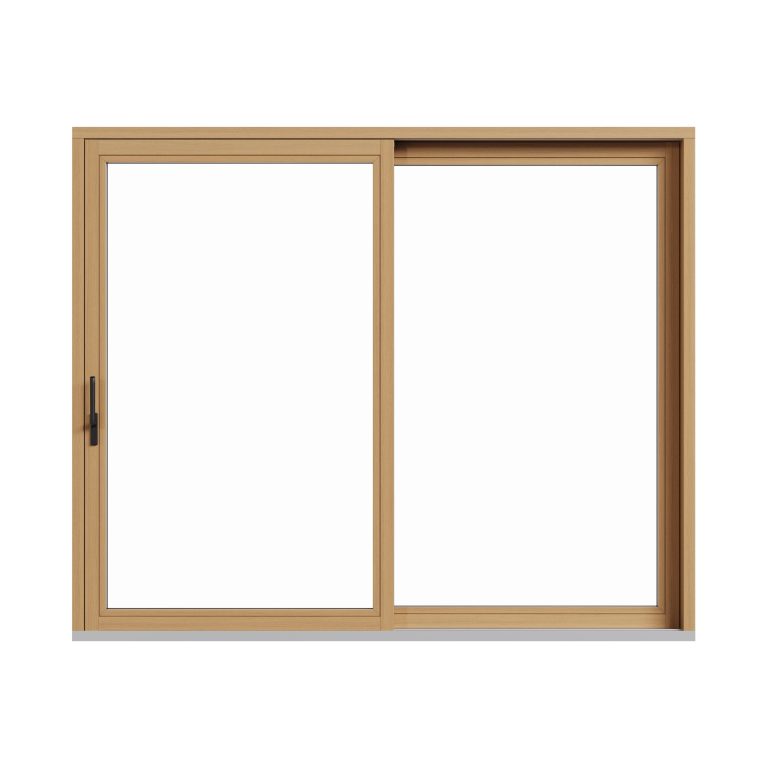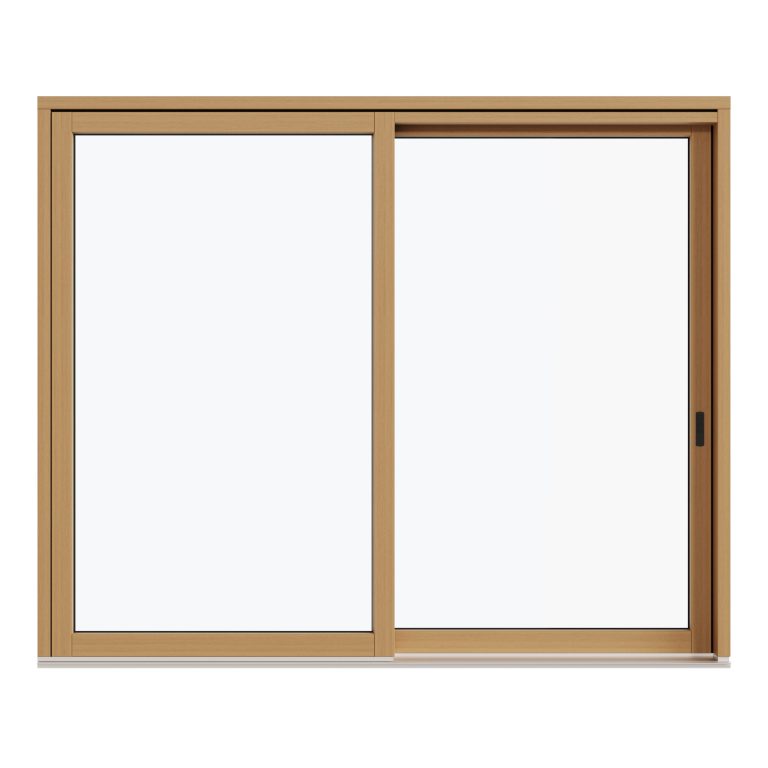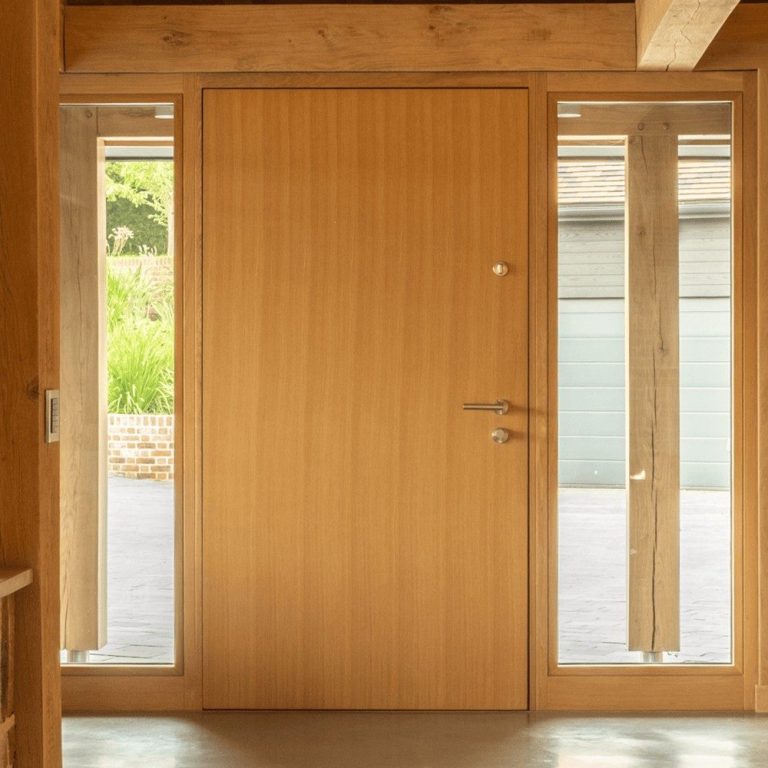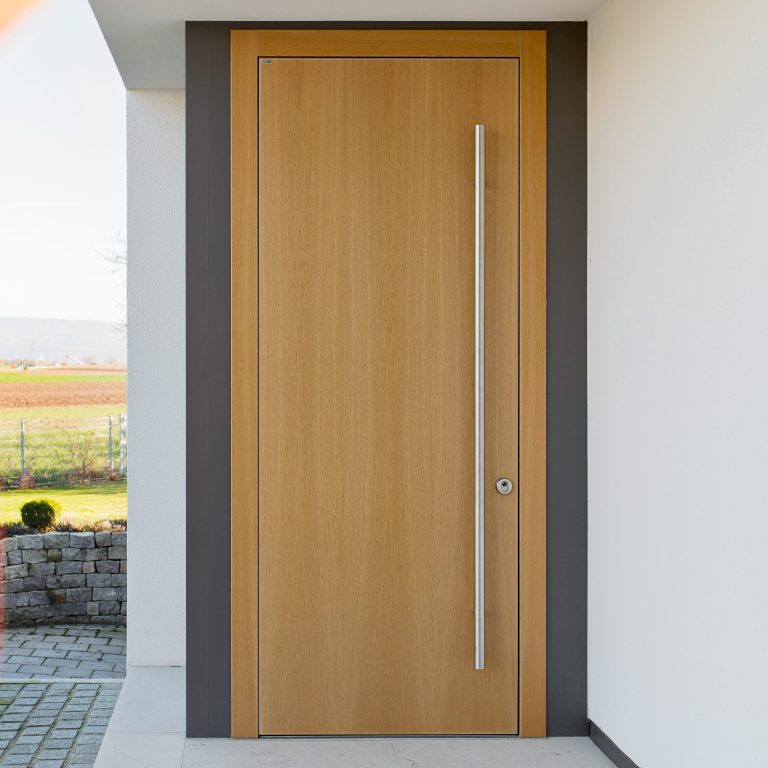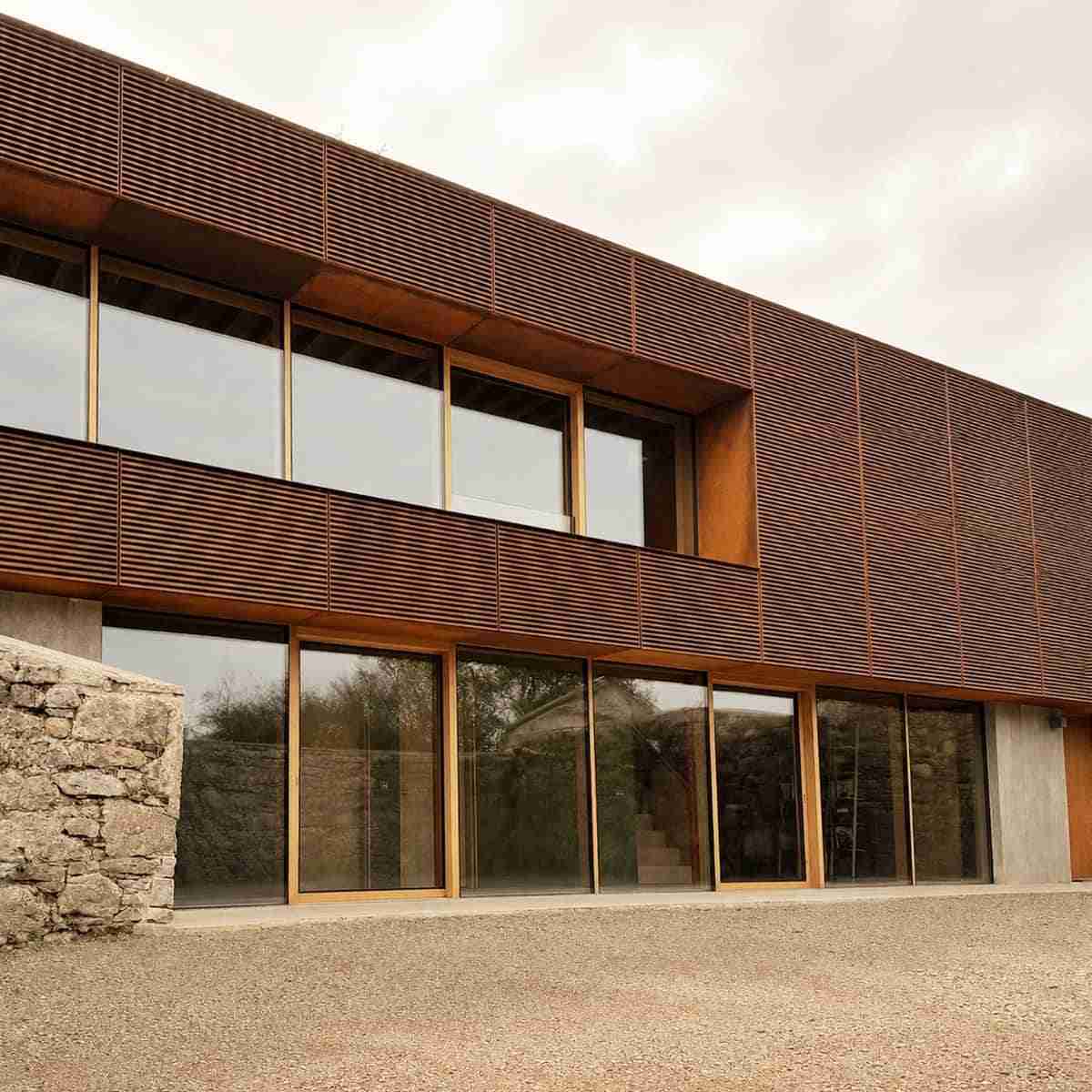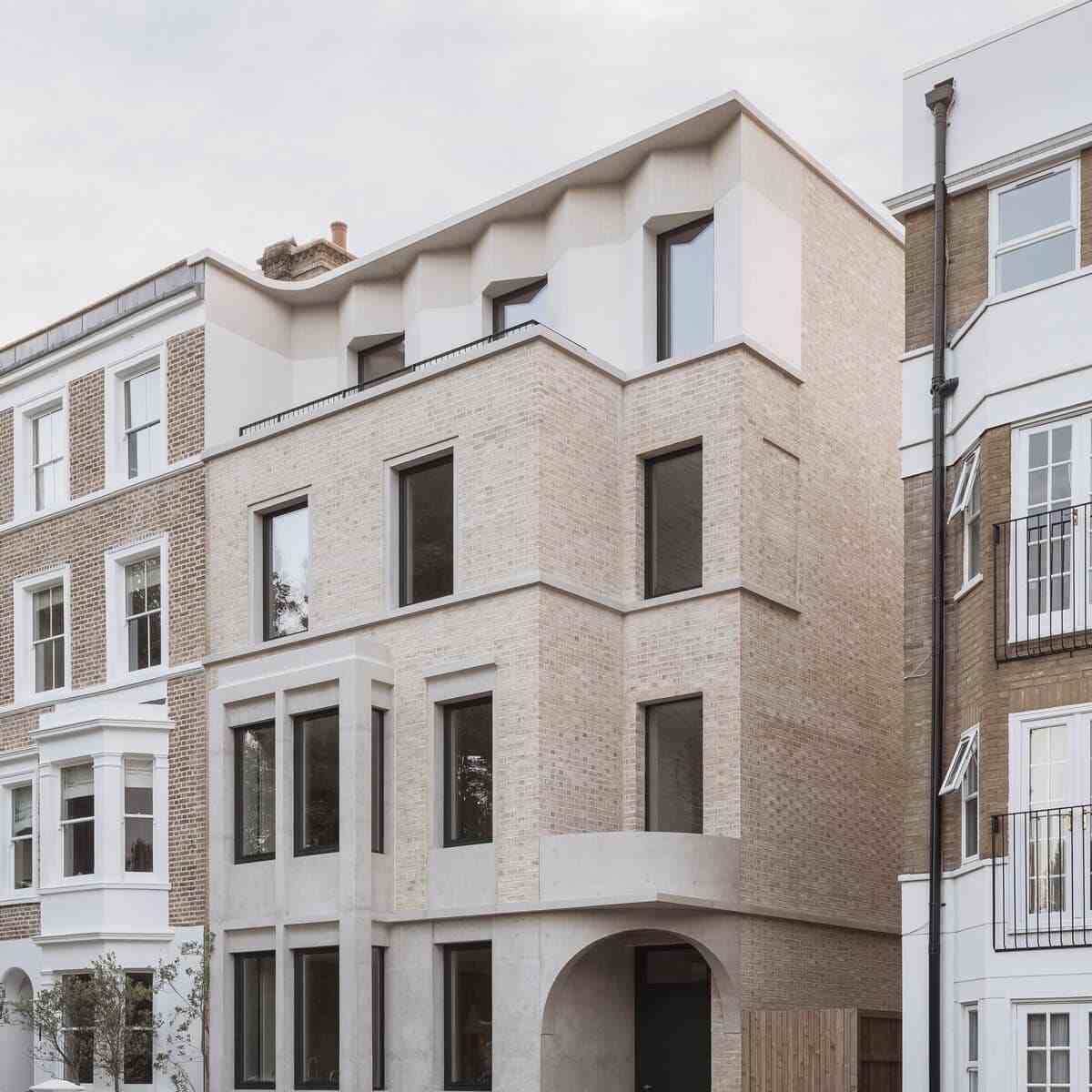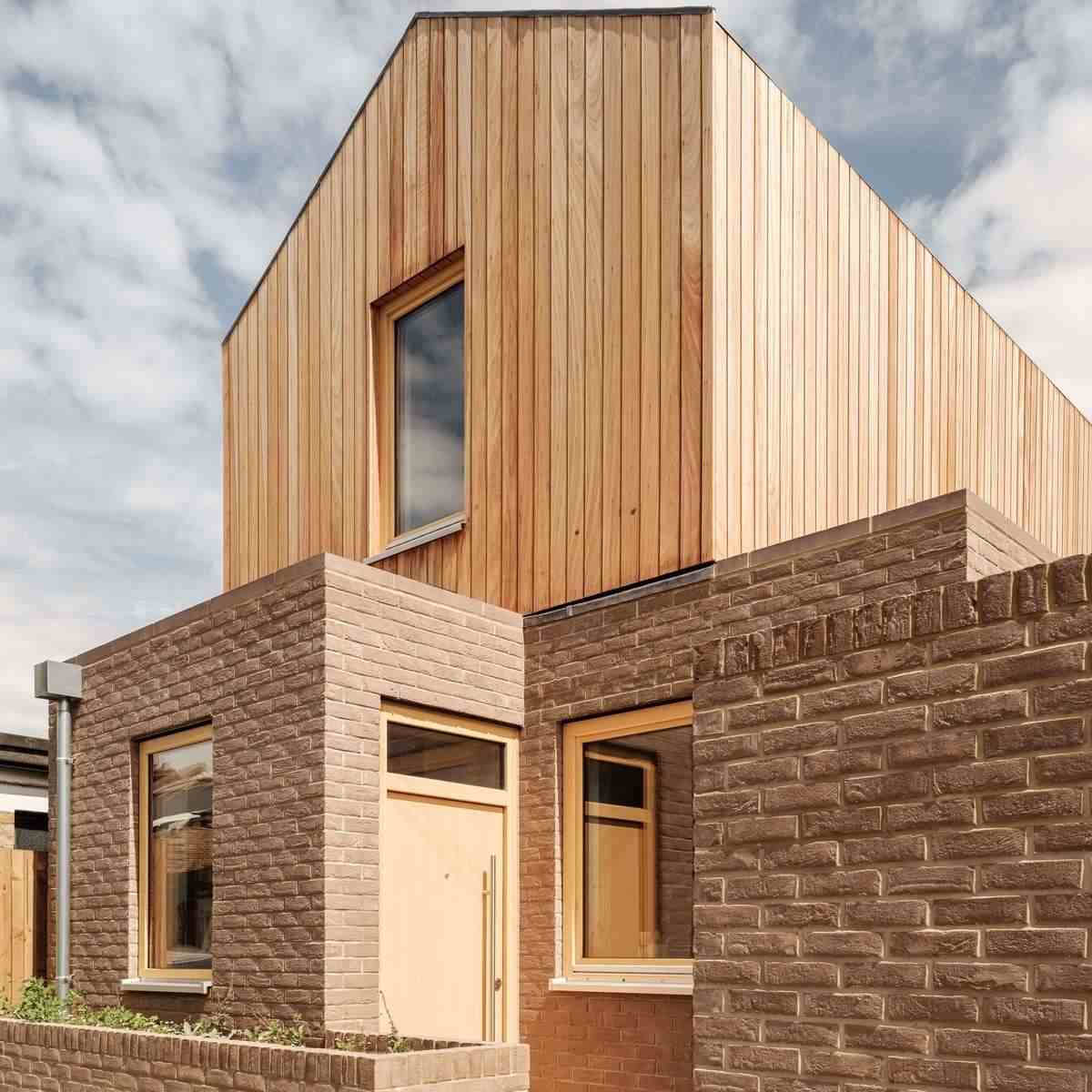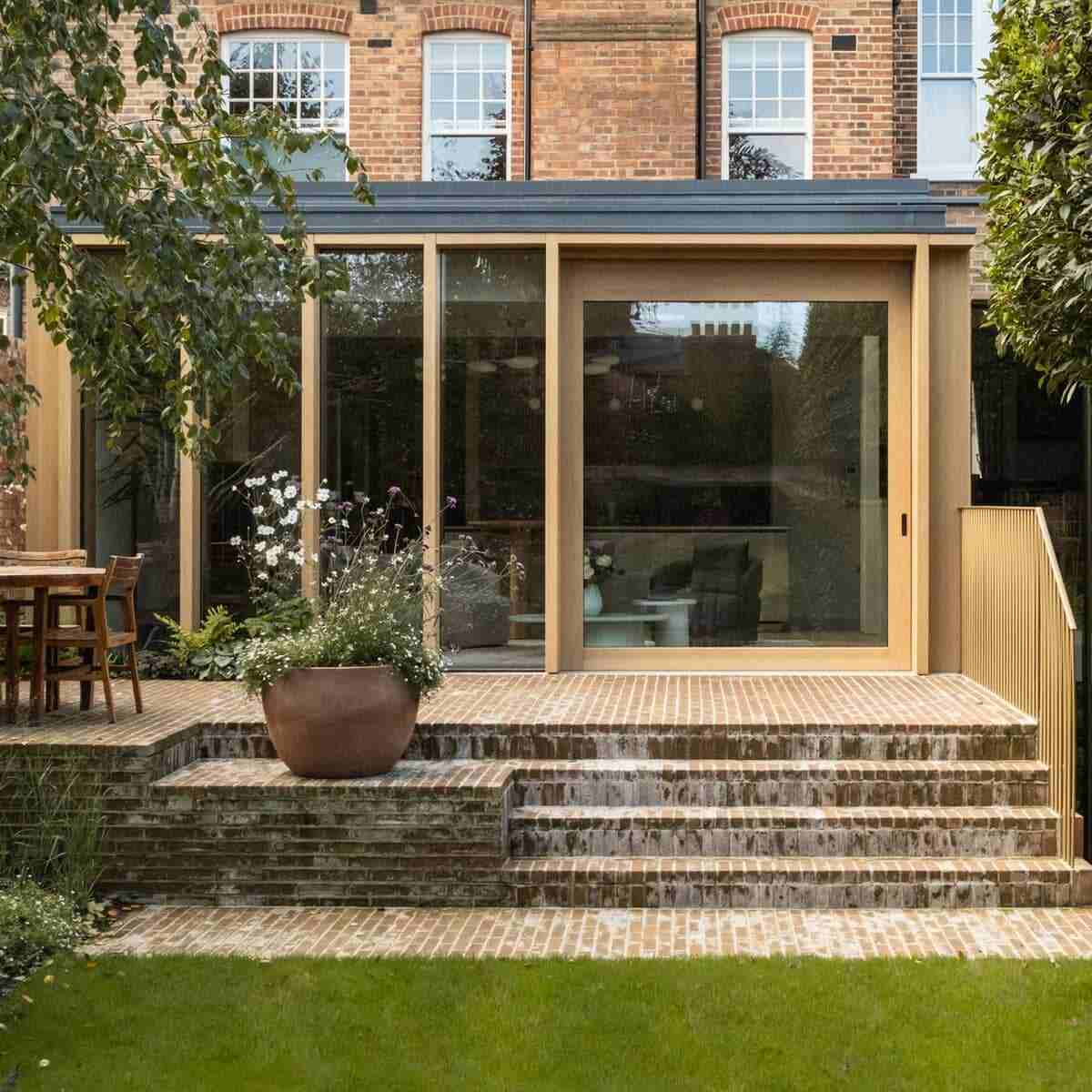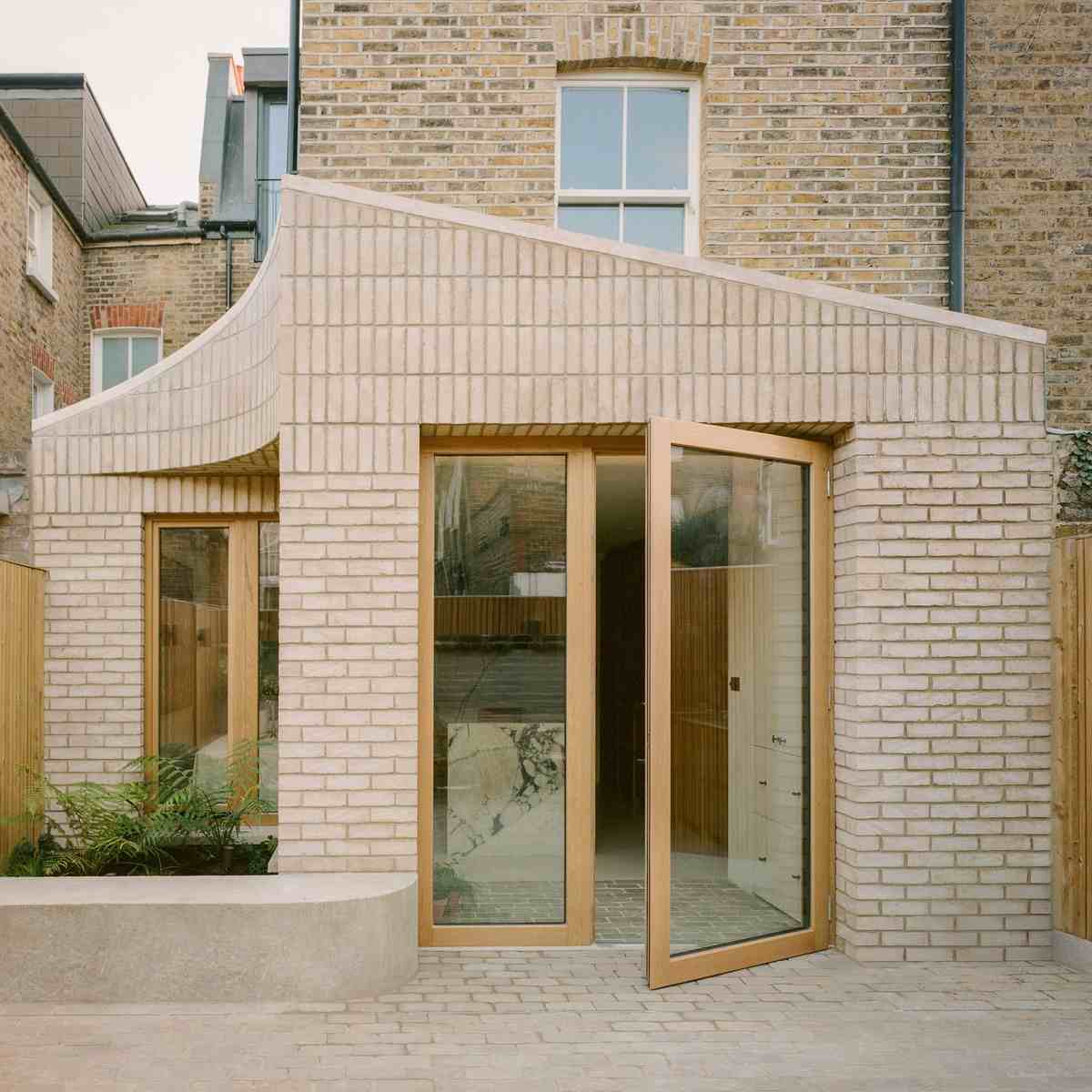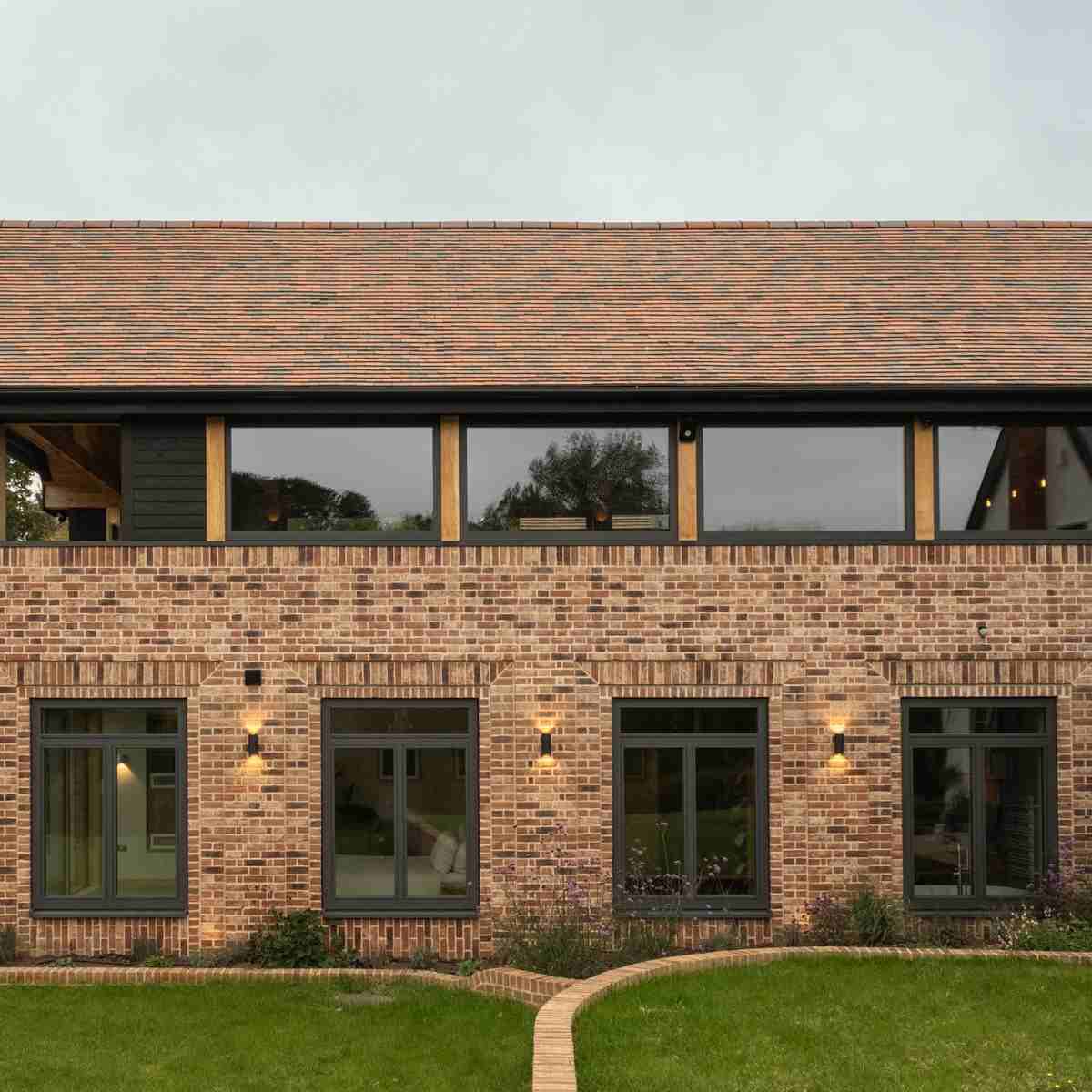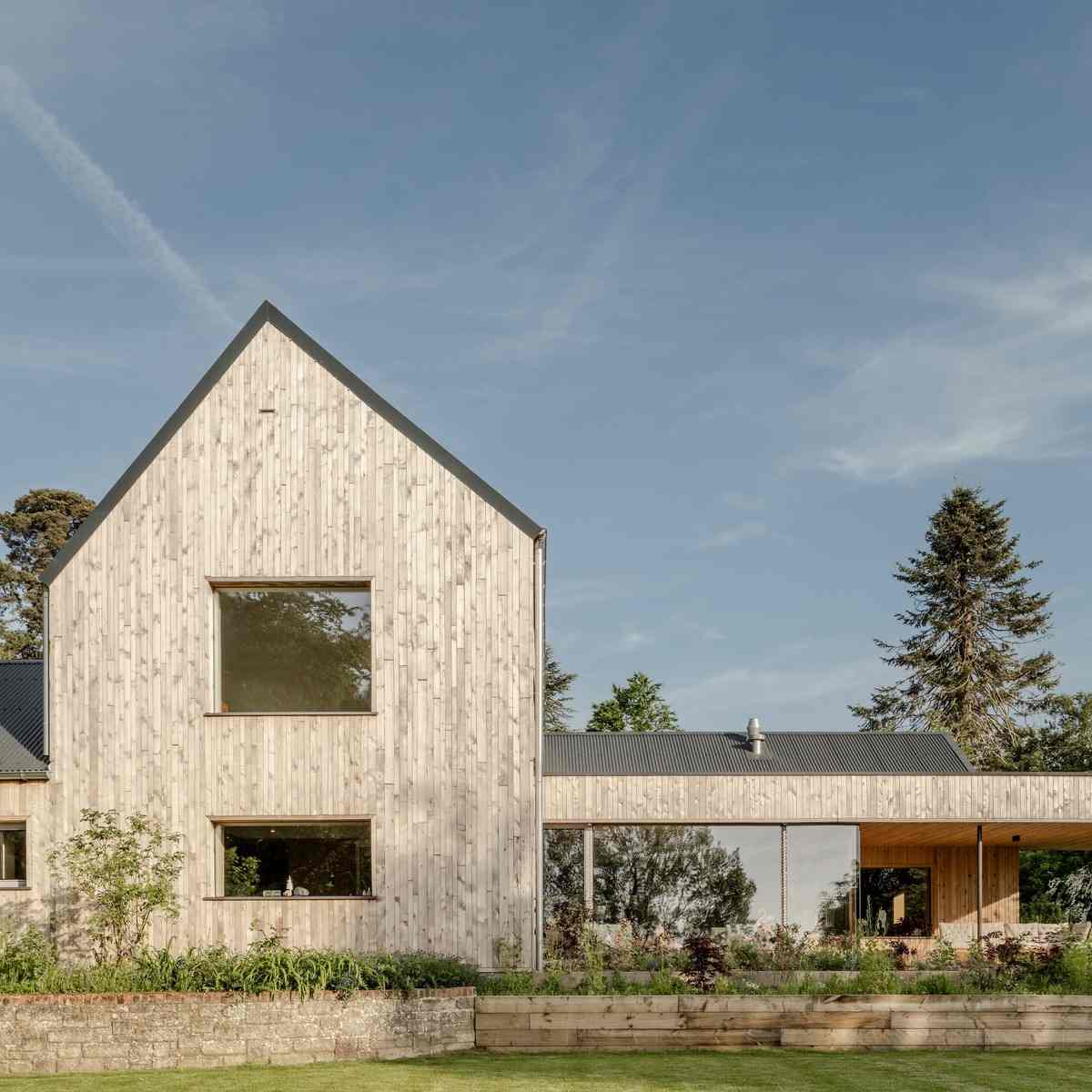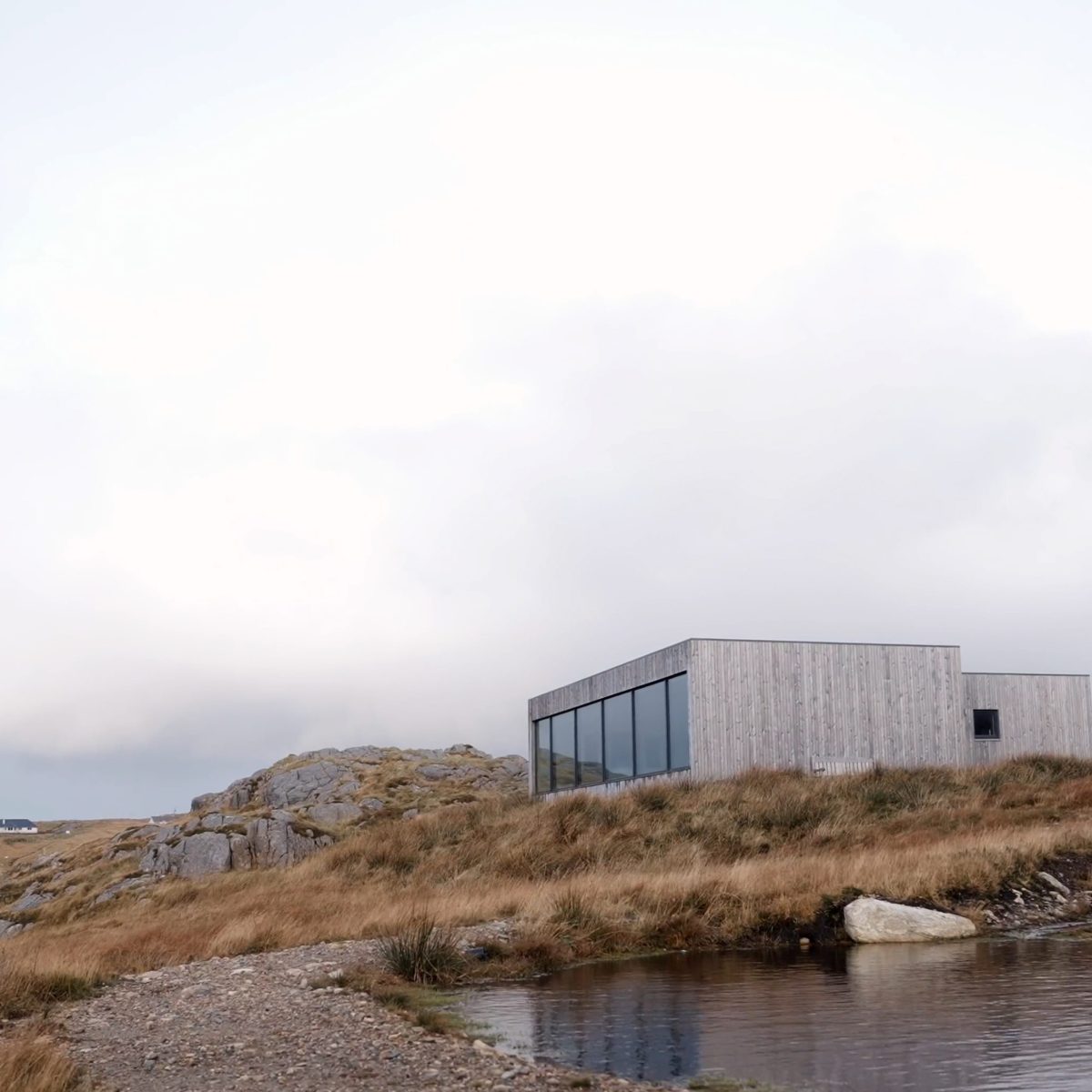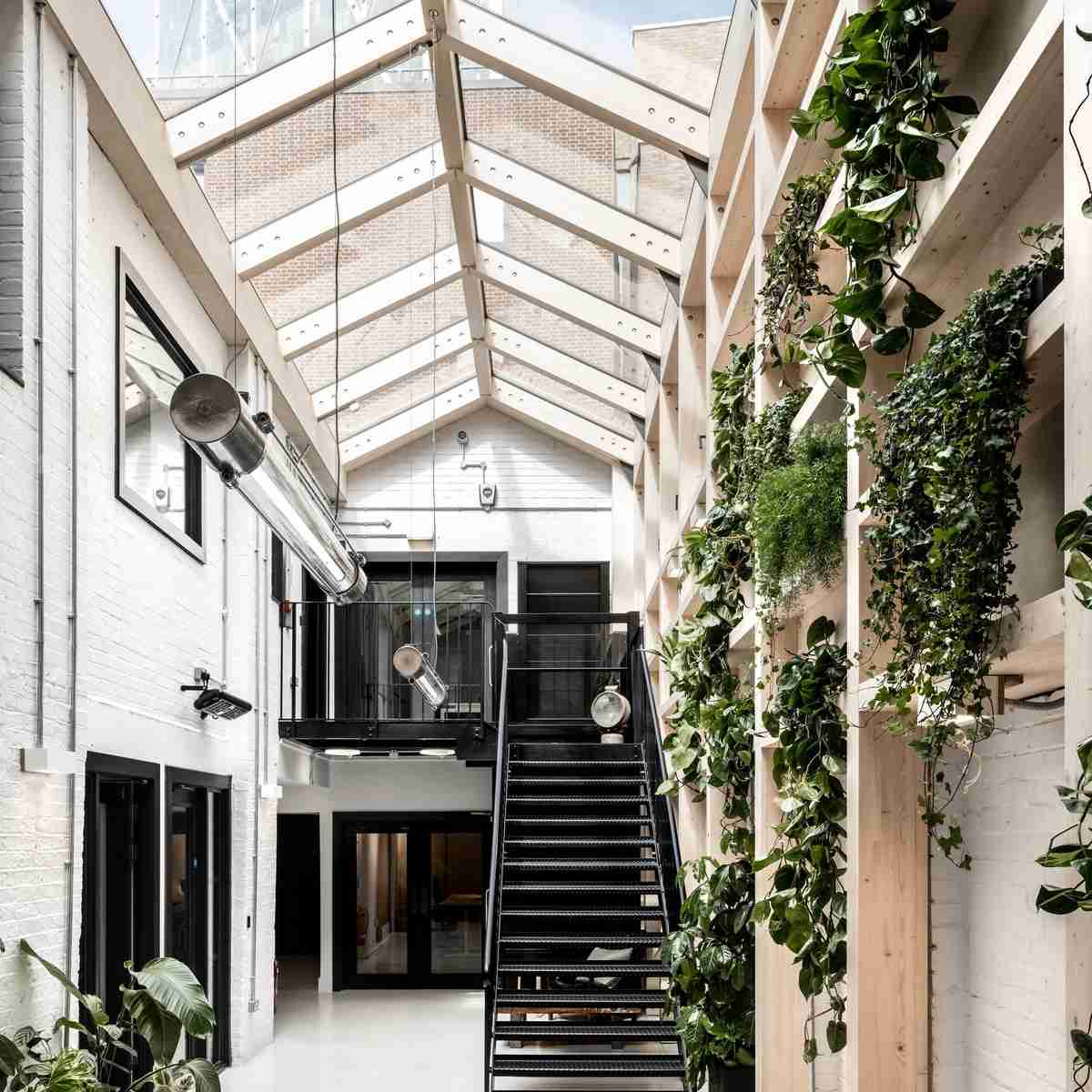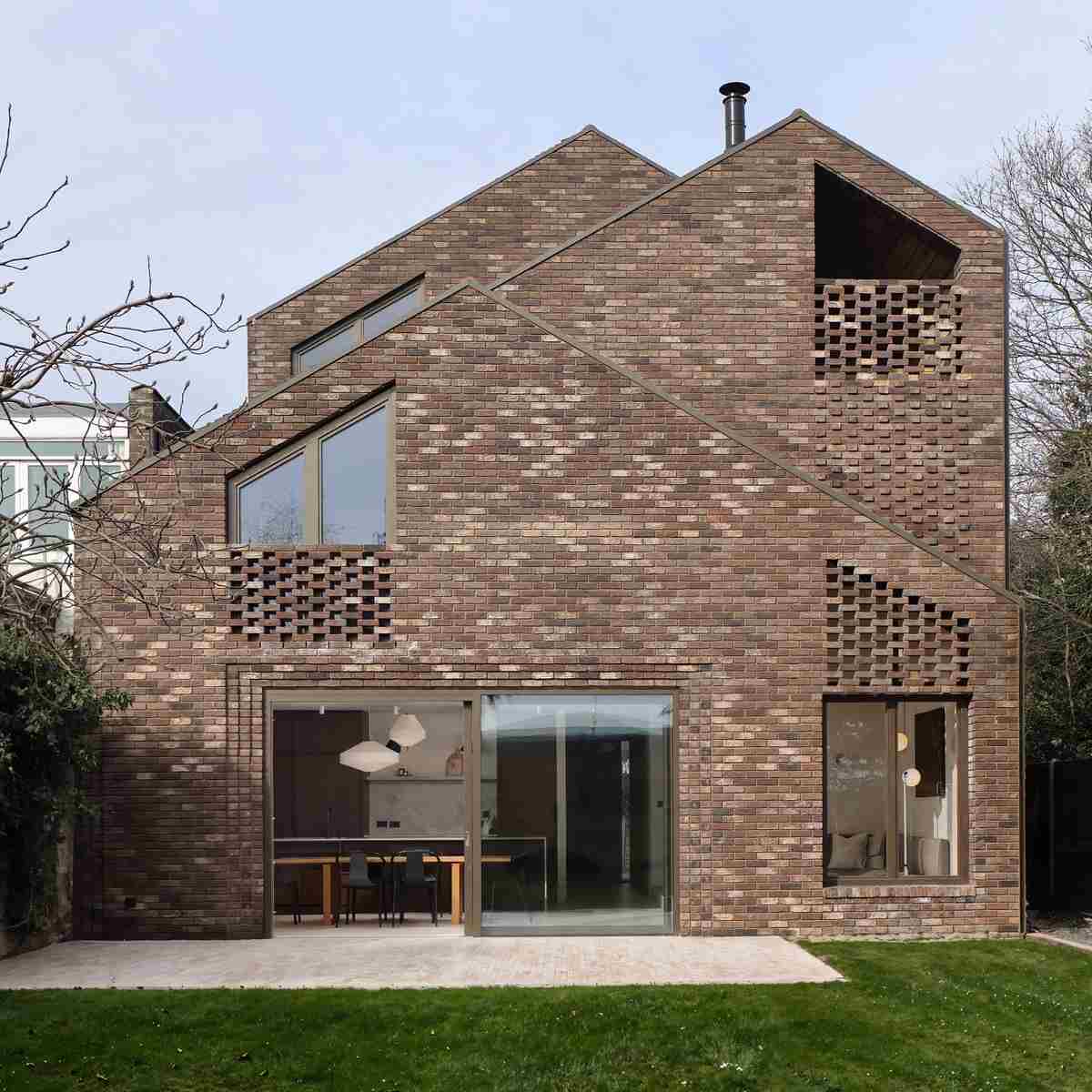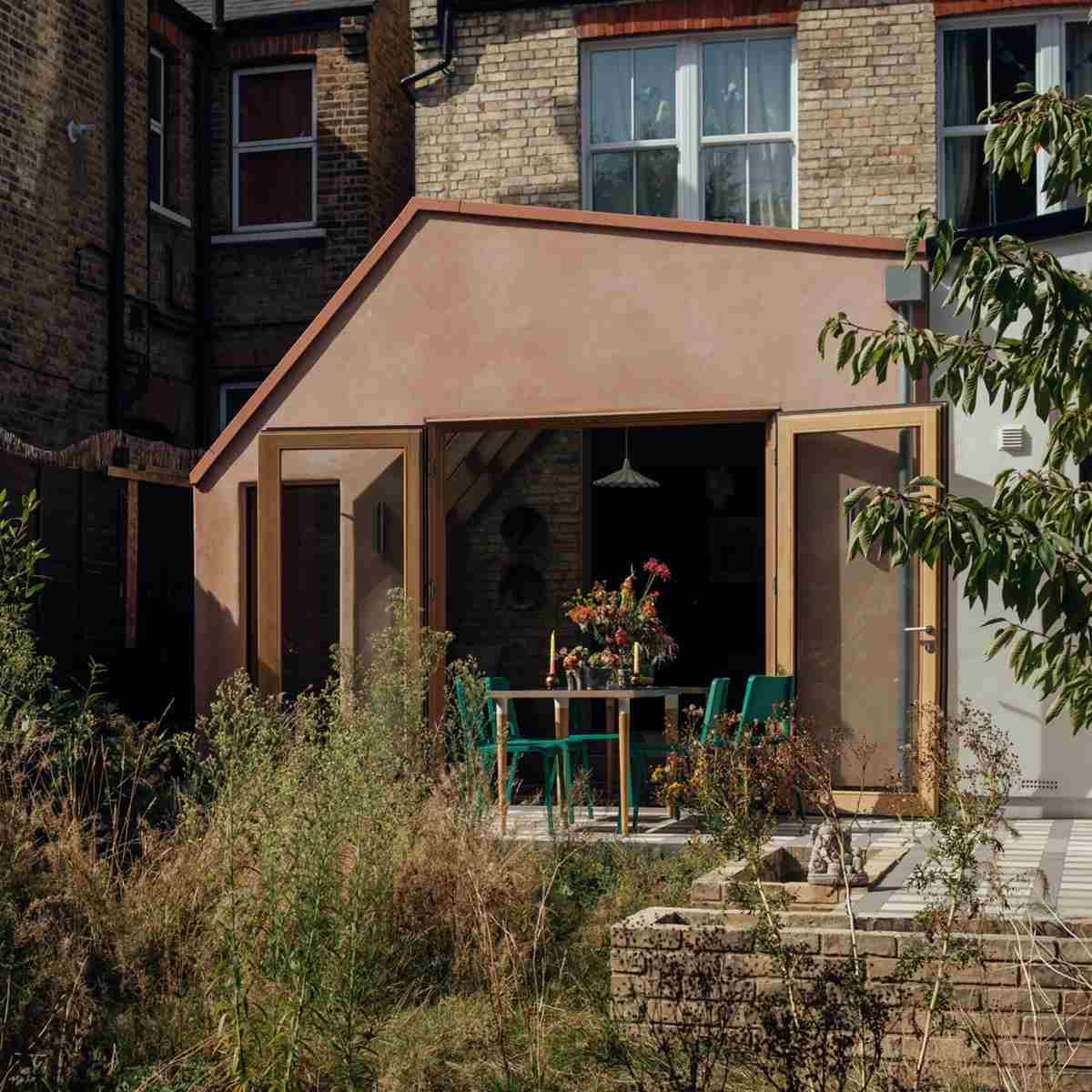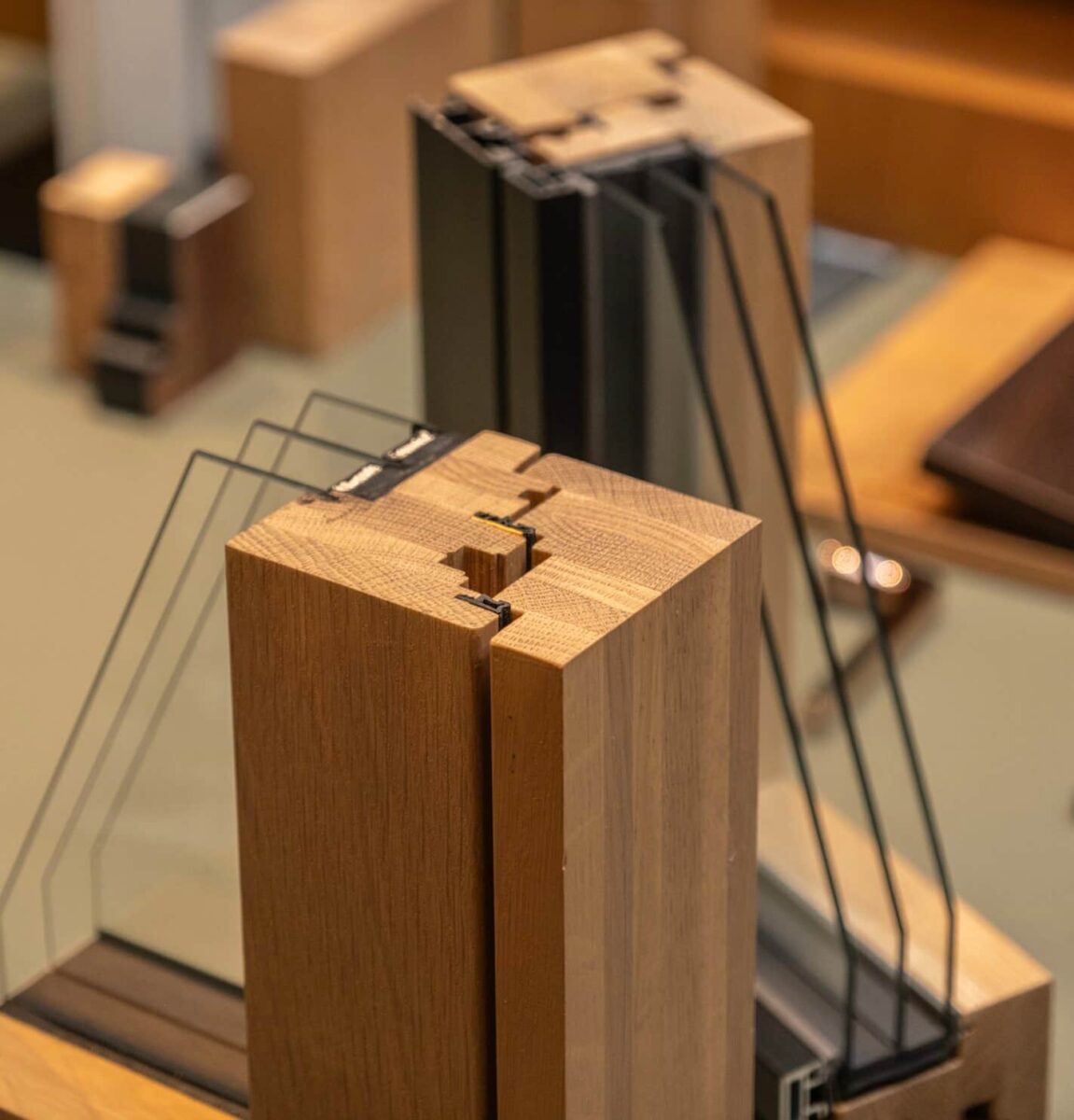
Triple glazed windows are no longer the niche, cold-climate specification they used to be. Instead, they’re fast becoming a mainstream consideration in the UK, driven by rising expectations for comfort, energy efficiency, acoustics, and real-world building performance, as well as the wider changes in regulations and new home specification standards. Against the backdrop of the UK government publishing the Future Homes and Buildings Standards, industry bodies say the move to actual-window configuration calculations is likely to push more new-build projects toward higher-performing glazing specifications.
If you’re researching triple glazing in the UK, comparing double or triple glazed windows, or trying to work out whether triple glazed windows are worth the extra investment, you’re unlikely to reach a simple conclusion. Triple glazing can deliver better insulation, warmer inner glass surfaces, lower heat loss, and a quieter interior. But deciding whether it’s your best choice depends on the building, the opening’s orientation, your specification priorities, and the quality of the frame and installation as much as the number of panes.
At Ecovia, we think the right glazing decision should improve how a building feels as much as how it performs on paper. That means discussing thermal comfort, acoustics, condensation control, shading, materiality and detailing together. Ecovia’s timber and timber-aluminium systems are designed with that joined-up thinking in mind, with customisable windows, doors and glazed structures supported through concept, design, manufacture, installation and aftercare.
Table of Contents
What is triple glazing?
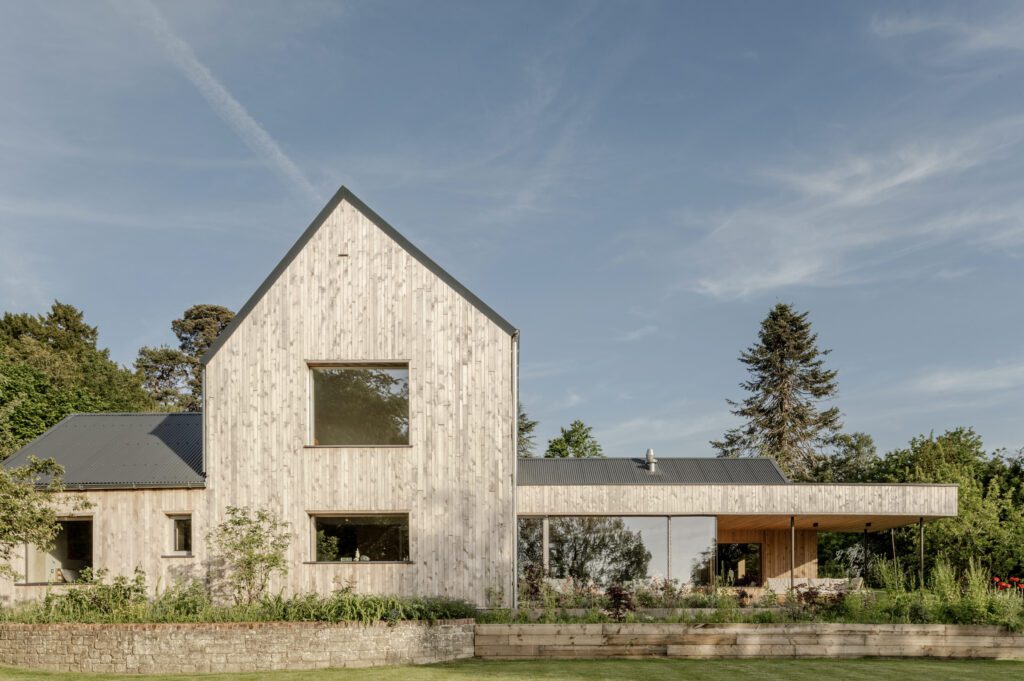
Triple glazing is a sealed, insulated glass unit with three panes of glass and two insulating cavities, rather than the two panes and a single cavity used in standard double glazing. Those cavities are filled with argon, an inert gas. The glass incorporates low-emissivity (Low-e) coatings to reflect indoor heat into the room while allowing daylight through.
There is, however, more to consider. The Energy Saving Trust and British Fenestration Rating Council (BFRC) both stress that a window’s performance depends on the whole window, not just the centre pane. Frame design, seals, air leakage, warm-edge spacers, low-E coatings, solar gain, installation quality and the size and shape of the opening all affect the finished unit’s performance. As important as a lower U-value is for triple-glazed windows, it’s not the only thing to consider.
Benefits of triple glazed windows
Thermal performance
The Energy Saving Trust says triple glazing gives better insulation than double glazing, helping reduce draughts, noise and heat loss. The inner pane stays warmer, cold spots are reduced, and the room feels more stable and comfortable, especially in colder conditions or on less sunny elevations.
It’s the warmer inner pane you’ll typically notice day to day. If a room is heated to 21°C and it is 0°C outside, a typical double-glazed inner pane might sit around 11°C. In comparison, a triple-glazed inner pane in the same conditions might be around 17°C. That smaller temperature gap is why triple glazing can feel less “cold” when you sit beside it, making large areas of glass more usable in winter.
Triple glazing reduces condensation
While triple glazing cannot eliminate humidity, it keeps the room-side glass surface warmer, making moisture less likely to condense on the inner face. This can be a considerable benefit, especially in kitchens and bathrooms, or in older homes where condensation is more likely due to higher air moisture content.
Triple glazed windows reduce external noise
Good sealed double and triple glazing can reduce medium- to high-frequency noise. Indeed, the Glass and Glazing Federation (GGF) notes that thicker glass, asymmetric pane build-ups and larger cavities improve results. In other words, triple glazed windows will reduce external noise, but the best results will depend on the overall unit, seals, and installation. An extra pane of glass will not deliver this on its own.
Our client feedback on windows that have been upgraded to triple glazing is that rooms are warmer, noticeably quieter despite nearby busy roads, and there is little to no loss of daylight. Whilst these are just anecdotes, they reinforce the fact that for many people, what matters most is how their home feels to live in.
Triple glazed windows pros and cons
Pros
- Lower whole-window U-values and better thermal comfort than standard double glazing in many configurations.
- Warmer inner pane, helping reduce internal condensation and cold spots.
- Often quieter indoors, especially in combination with good seals and complete installation detailing.
- Strong fit for low-energy new builds, cold rooms, large glazed areas, and selected premium refurbishments.
Cons
- Higher upfront cost than double glazing, but overall marginal for most of our systems.
- Heavier, thicker units that can limit frame compatibility and size options.
- Not automatically the best acoustic answer if the real problem calls for laminated acoustic glazing.
- Lower solar gain than some double-glazed specifications. This can be a disadvantage on sunny elevations if the room is to benefit from passive winter heat.
Triple glazing vs double glazing
While it’s clear that double glazing uses two panes and one cavity and triple glazing uses three panes and two cavities, there’s more to understand. The extra pane changes thermal resistance, surface temperature, solar gain, weight, depth, cost, and sometimes acoustic behaviour in ways that can be positive or problematic, depending on your project.
A useful triple glazing vs double glazing comparison looks like this:
| Factor | Double glazing | Triple glazing | Why it matters |
|---|---|---|---|
| Basic construction | Two panes, one cavity | Three panes, two cavities | Triple adds another thermal barrier. |
| Typical whole-window performance | Around 1.3-1.4 W/m²K. | Ranging from around 0.6-0.9 W/m²K, depending on product and configuration. | Lower is better, but U-values are not the full story. |
| Solar gain | Often higher. BFRC notes that some double-glazed windows can match or even equal triple glazing on overall energy rating because solar gain is higher. | Usually lower. BFRC says the extra pane can significantly reduce solar gain, often by at least about 10% relative to equivalent double glazing. | Helpful on some hot or exposed elevations, but less free solar warmth in sunny rooms. |
| Acoustics | Can be very good, especially with acoustic laminated glass or secondary glazing strategies. | Often quieter than basic double glazing, but not automatically better than specialist acoustic double glazing. | Pane thickness, lamination and seals matter as much as the number of panes. |
| Typical unit depth | Around 24–28 mm. | Around 36-44 mm. Up to 56mm in some sliding systems. | Affects frame design and weight. |
| Cost | Lower baseline cost. | Usually 10-40% more, depending on product, size and installation complexity. | Upfront spend is the barrier. On some systems, this cost can be lower than expected. |
| Best fit | Sunny rooms, tighter budgets, frame-limited retrofits, some heritage situations, or highly optimised acoustic double-glazed specs. | Exposed homes, north-facing cold rooms, highly insulated new builds, Passivhaus-style priorities, and projects aiming for maximum comfort near the glass. | Whilst the best choice is often elevation- and project-specific, around 80% of our projects use some elements of triple glazing. |
In most cases, new-build homeowners will opt for triple glazing while designing around potential size and weight constraints. That said, we’d recommend mixing and matching double and triple glazed windows by elevation. Triple glazing often works best in colder, north-facing spaces, while double glazing might be the smarter choice in rooms with a lot of direct sun.
Triple glazed window thickness, U-value and summer comfort
Triple glazed window thickness matters because it affects more than the glass itself. Most triple glazed units are around 36-44 mm thick versus roughly 28 mm for double glazing. That extra depth means greater weight, stronger frame requirements, and more retrofit limitations, which could affect the feasibility of incorporating triple glazing into your build.
We also hear lots of questions about triple glazed windows’ U-value. Lower U-values mean less heat passes through the window, but, as BFRC and the Energy Saving Trust both emphasise, a U-value is not the same as an overall energy rating. BFRC’s label also accounts for solar gain and air leakage, which is why an A-rated or A+ double-glazed window can sometimes compete with triple glazing on BFRC rating even if its U-value is higher. Yet again, we come back to the same advice of comparing whole-window performance rather than isolated numbers.
As British summers grow warmer, many homeowners want to know whether triple glazing can keep heat out of their homes. A lower U-value helps keep excess heat out when the outside ambient temperature is higher than the inside room temperature. Energy-efficient glazing helps keep homes warmer in winter and cooler in summer. But summer comfort is not controlled by U-value alone. As with other questions about triple glazing, factors such as solar gain, g-value, glass coatings, orientation, opening size, shading and ventilation all matter.
Broad statements about summer performance can be misleading. Triple glazing generally reduces solar gain relative to comparable double glazing, which can be helpful on hot elevations. At the same time, if you install very insulating glass in a room with extensive direct sun and poor shading, that space may overheat. GGF recommends combining low-E and solar-control approaches for large glazed areas, especially where orientation increases the risk of overheating. Our Passive Orchard project shows how this can work in practice, using retractable external solar shading integrated into high-performance glazing.
Triple glazing noise reduction and condensation
Triple glazing can reduce noise, but a window’s overall construction matters too. Thicker glass, varied pane thicknesses, larger cavities and correct sealing all improve acoustic performance. However, under certain conditions, the central pane of standard triple glazing can vibrate, so an acoustic sealed double glazed unit may outperform it for certain kinds of noise. Some claim that standard triple glazing often offers little acoustic advantage compared with a well-designed acoustic double-glazed unit, because glass specification matters more than simply adding a third pane.
At Ecovia, we can specify many of our products with sound-reducing glass and incorporate sound reduction up to 45 dB, depending on configuration. Our Still Hotel case study shows how specialist triple-glazed units were designed with 54 dB sound reduction to maintain quiet rooms even when facing a motorway.
Lots of people ask us, “Does triple glazing stop condensation?”. Because triple glazing makes the inner pane much warmer, this reduces the potential for internal condensation. But if your home has high humidity and poor ventilation, you’ll still be at risk of internal condensation. If your glazing is highly thermally efficient, you may see external condensation on the outer pane, though we’d consider this a sign of good thermal performance rather than a defect.
If you see misting between the panes, this indicates a seal failure in your windows. In contrast, if misting appears on the outside of the outer pane on cool mornings, it often means the window is doing a very good job of preventing indoor heat from reaching the exterior glass.
Are triple glazed windows expensive and how much does triple glazing cost?
There is no one-size-fits-all answer, because frame material, size, style, access, hardware, and installation complexity all affect the price. Still, current UK guides give a useful planning range. Checkatrade’s 2026 guide puts the average cost of a triple glazed window at around £1,500, compared with around £1,200 for double glazing.
Your choice of timber is a major factor in the overall cost of a triple glazed window. Our average prices are based on the entry-level windows made with pine. Specifying aluminium-clad windows or upgrading, for example, to Oak can substantially change the overall cost. For this reason, we’d recommend you treat online prices as planning figures only.
We’d also suggest thinking about the context of your investment. Replacing old single glazing or poor double glazing can be easier to justify than replacing relatively recent, well-performing double glazing. If you’re already replacing windows or moving up from a poor baseline, the payback period can be sensible. That payback is likely to be longer if your existing double glazing is already efficient. Real-world value is often felt first in comfort, draught reduction, and quieter rooms, then, over time, in energy use. A newly built house without windows would almost always benefit from the extra cost of triple glazing, because the marginal expense will be easier to recoup through lower energy bills over a shorter period.
If you’re considering Ecovia windows, we’d recommend setting your budget based on your overall project aspirations. Because we offer a bespoke service, we regularly balance several project wishes within the overall budget. For example, if you love the idea of a more expensive sliding door for a large opening instead of patio doors, we will look at the overall glazing specification from that perspective. We would, for instance, suggest using double glazed units in some areas, allowing you to balance your budget without removing the sliding doors.
| Frame Material | Est. Price per Window (Triple Glazed) | Typical Total Cost (3-Bed home) | Material Characteristics |
|---|---|---|---|
| Timber | £1,200 – £2,500+ | £18,000 – £28,000+ | Premium, traditional aesthetic often used in more traditional homes. |
| Timber-Aluminium | £1,800 – £3,000+ | £25,000 – £35,000+ | Highly durable. Combines a warm wooden interior with a weather-resistant aluminium exterior. Very low maintenance but more expensive than timber alone. |
Speak to one of our experts to get started
Whatever your requirements, we’ll advise, inspire and support your plans to deliver your architectural vision.
Can you put triple glazing in double glazing frames?
In most cases, once a double glazed unit has been fitted, the rebate size – the ‘groove’ that holds the glass pane in place – will no longer accept a triple glazed unit. For this reason, we recommend fully replacing old double glazing with new triple glazed windows. This way, the frame, mechanisms and seals will be upgraded at the same time as the glass, providing a complete performance upgrade.
There are, however, some exceptions. The Energy Saving Trust notes that in certain sash-window and older-property situations, glazing-only upgrades or slim-profile solutions may be possible, and fitting new units into existing frames can sometimes be done.
Situations like this are where consultative design support matters; something Ecovia excels at. The right answer may be a full replacement window, an opening redesign, a different glazing strategy by elevation, or, in some heritage contexts, a more targeted acoustic or secondary solution. Our design-led process and bespoke approach give you this kind of project-specific guidance as part of the service, giving you confidence that you’re making the best choices for your home.
Best triple glazed windows in the UK
If you’re looking for the “best” triple glazed windows in the UK, it’s helpful to define what “best” looks like. We say that a better definition of “best” starts with whole-window performance. Look for a strong published whole-window U-value, and then look at the rest of the package. This means solar-gain strategy, acoustic options, airtightness, weather resistance, frame material, warranty support, and evidence that the supplier can handle complex detailing rather than just standard openings.
For architect-led and design-conscious residential work, materials matter as much as metrics. Energy Saving Trust notes that timber frames are often the more sustainable option and can last far longer than uPVC frames with the right maintenance, while composite frames combine timber with an external aluminium layer, further reducing maintenance. Our portfolio comprises the all-timber Vantage range and the timber-aluminium Endurance range, both built around customisation, contemporary design and high performance. We support these with uPVC/aluminium composite options, reserved for wet-rooms or high humidity areas like walk-in showers, where timber windows are not advisable.
Most sensible homeowners will look for solid evidence. Here are some of our product highlights:
- The Vantage Classic Double Window is listed with a whole-window U-value up to 0.69 W/m²K, sound reduction up to 45 dB, security up to RC2, and a Passive option.
- The Endurance Classic Window is listed with a whole-window U-value up to 0.74 W/m²K, sound reduction up to 45 dB, and a Passive option.
- The Vantage Modern Window reaches up to 0.8 W/m²K with up to 45 dB sound reduction.
And for real-life case studies demonstrating how Ecovia triple glazed windows can transform a building:
- Passive Orchard called for glazing that could deliver exceptional thermal performance within a certified Passive House. The project also integrated retractable external solar shading to prevent summer overheating.
- Meadow House used triple-glazed units for thermal performance and high security while carefully preserving architectural integrity.
- Still Hotel demonstrates a more specialist project. Here, we paired triple glazing with bespoke acoustic control at 54 dB, providing a mix of thermal, acoustic and architectural performance that goes beyond a price or rating comparison.
In short, the best triple glazed windows in the UK are those specified for the building’s needs. For exposed extensions, contemporary self-builds, low-energy homes, and architect-led renovations where comfort at the glass line and premium detailing matter, triple glazing is often the correct route. For tighter retrofits, sunny rooms where solar gain is useful, and some acoustically challenging sites, the best answer may be more selective.
Why choose Ecovia for triple glazing in the UK?
If your project calls for something more individual than an off-the-shelf window, Ecovia can help. We provide high-performance timber and timber-aluminium windows, sliding doors, entrance doors and large-format glazing systems, and our products are built around technical precision, sustainability, and architectural refinement. We support projects from concept and design through manufacture, installation, and aftercare, working directly with architects to get the orientation, shading, acoustic target, frame material and detailing right, rather than treating the glass as an isolated choice.
Choosing Ecovia for your triple glazing project means knowing you have a knowledgeable, reliable partner to call on for support throughout your project and beyond.
Frequently asked questions about triple glazing
What is triple glazing?
Triple glazing is a sealed, insulated glass unit with three panes of glass and two cavities, filled with inert gas and paired with low-E coatings to reduce heat transfer. It offers better insulation than standard double glazing, though whole-window performance still depends on the frame, seals and glass specification.
Triple glazing vs double glazing, which is better?
Neither is universally better. Triple glazing is often the stronger choice for colder rooms, exposed properties, low-energy new builds, and projects that prioritise comfort near large glazed areas. Double glazing can still be the smarter choice for sunny elevations, tighter budgets, frame-limited retrofits and some carefully designed acoustic solutions.
Do triple glazed windows reduce noise?
Yes, they can. Triple glazing adds mass and can improve noise reduction, but the actual result depends on pane thickness, cavity size, seal quality and whether acoustic laminated glass is used. In some cases, specialist acoustic double glazing or secondary glazing can outperform standard triple glazing.
Does triple glazing stop condensation?
It usually reduces internal condensation because the inner pane stays warmer, but it does not remove indoor humidity. Poor ventilation can still cause condensation, and highly efficient windows can sometimes show harmless external condensation on the outside pane.
Does triple glazing keep heat out?
Yes, in the sense that lower U-values resist heat transfer when the outside is hotter than the inside. But summer comfort also depends on solar gain, glazing coatings, orientation, shading and ventilation. Triple glazing generally lowers solar gain relative to equivalent double glazing, which can help in some summer conditions.
What is a good triple glazed windows U value?
For high-performance residential work, triple-glazed windows are commonly discussed in the range of roughly 0.6 to 1.1 W/m²K, depending on frame and specification. Ecovia offers whole-window values up to 0.69, 0.74 and 0.8 W/m²K on specific window series.
What is typical triple glazed window thickness?
Typical triple-glazed units are often around 36-44 mm thick, compared with around 24-28 mm for double glazing. That increased thickness affects weight, frame design and retrofit suitability.
Are triple glazed windows expensive?
They are more expensive than double glazing, but the premium varies widely. Current UK guides place the uplift anywhere from around 10-20% to around 30-40%, depending on product type and how the comparison is made.
How much does triple glazing cost?
As a current planning figure, Checkatrade’s 2026 guide gives an average of about £1,200 per triple-glazed window, with material and whole-house costs varying substantially by size and frame type. Timber and aluminium generally cost more than uPVC, and bespoke architectural systems should always be quoted project by project.
Can you put triple glazing in double glazing frames?
Usually not in standard situations. Triple-glazed units are thicker and heavier, so many existing double-glazed frames are not suitable. Some specialist or heritage scenarios may allow upgrades.
Are triple glazed windows worth it in UK homes?
They often are, especially in exposed locations, colder rooms, highly insulated new builds, design-led projects with large glazing areas, and homes where comfort and acoustic calm matter. In milder situations or budget-led retrofits, high-performance double glazing may still offer a better balance.
Do triple pane windows make rooms darker?
They can slightly reduce solar gain and visible light transmission compared with double glazing, but better modern coatings have narrowed the difference. Light loss is often minor in practice, though it is still worth consideration as a factor in gloomy rooms or shaded extensions.