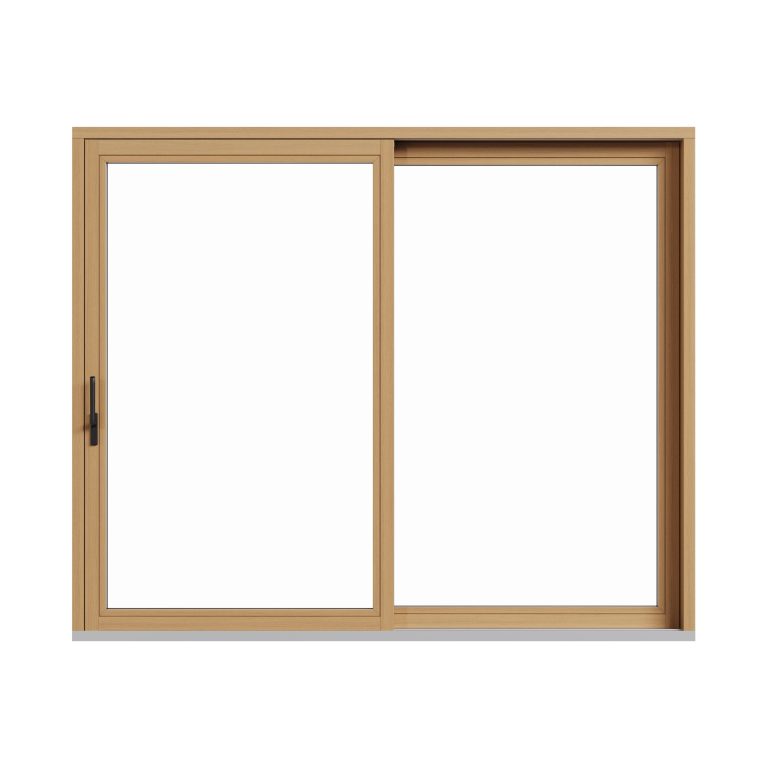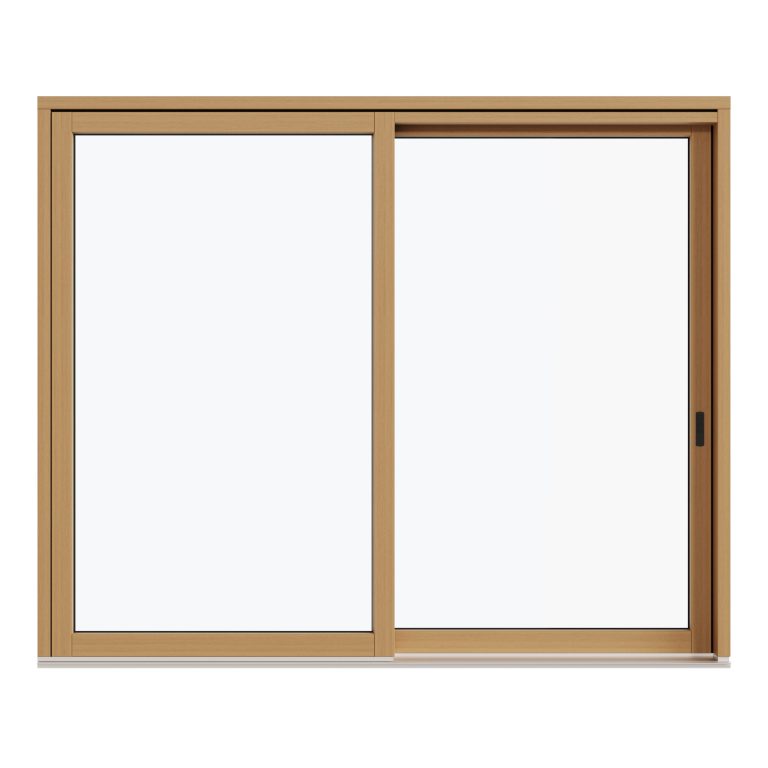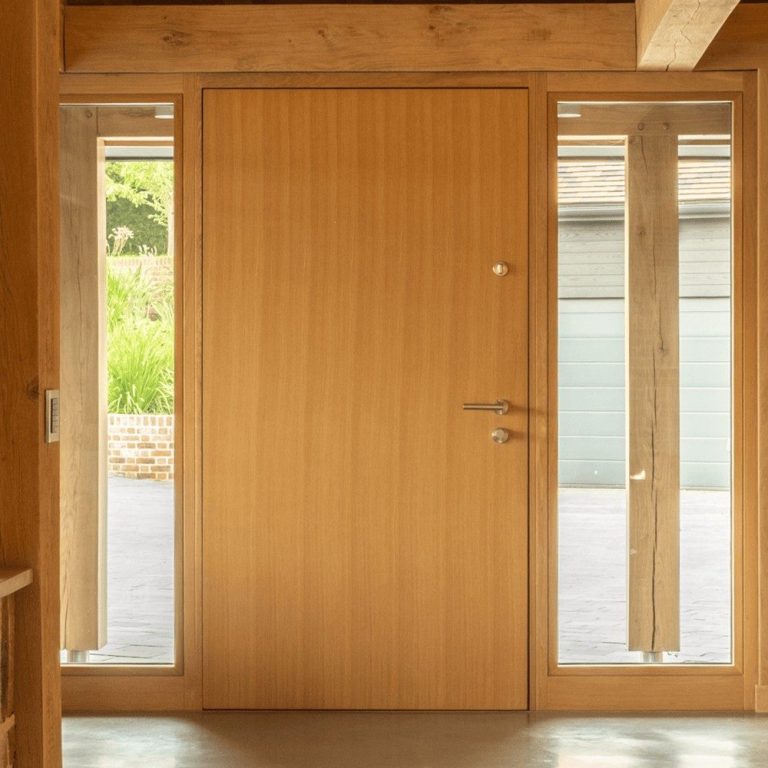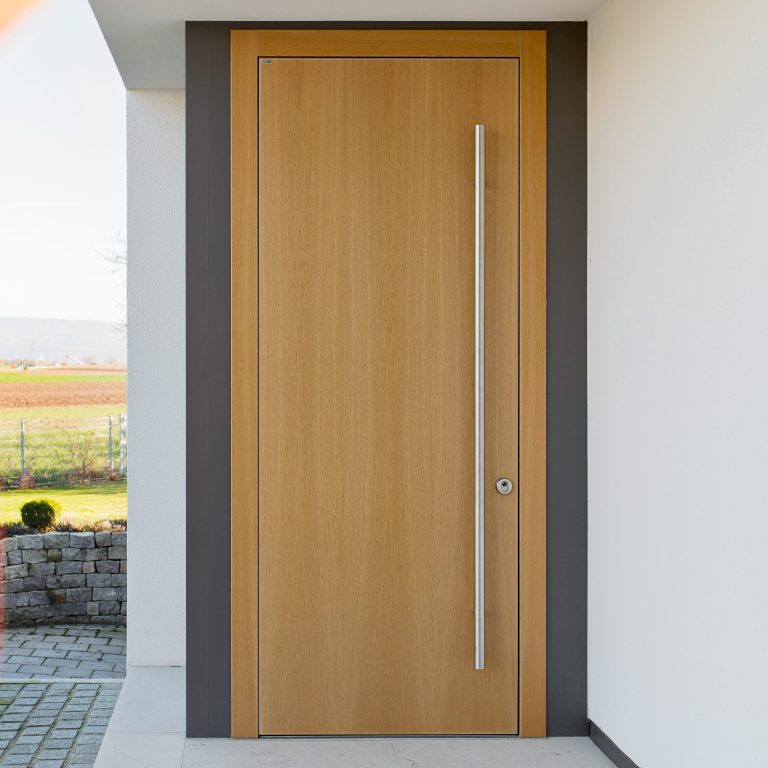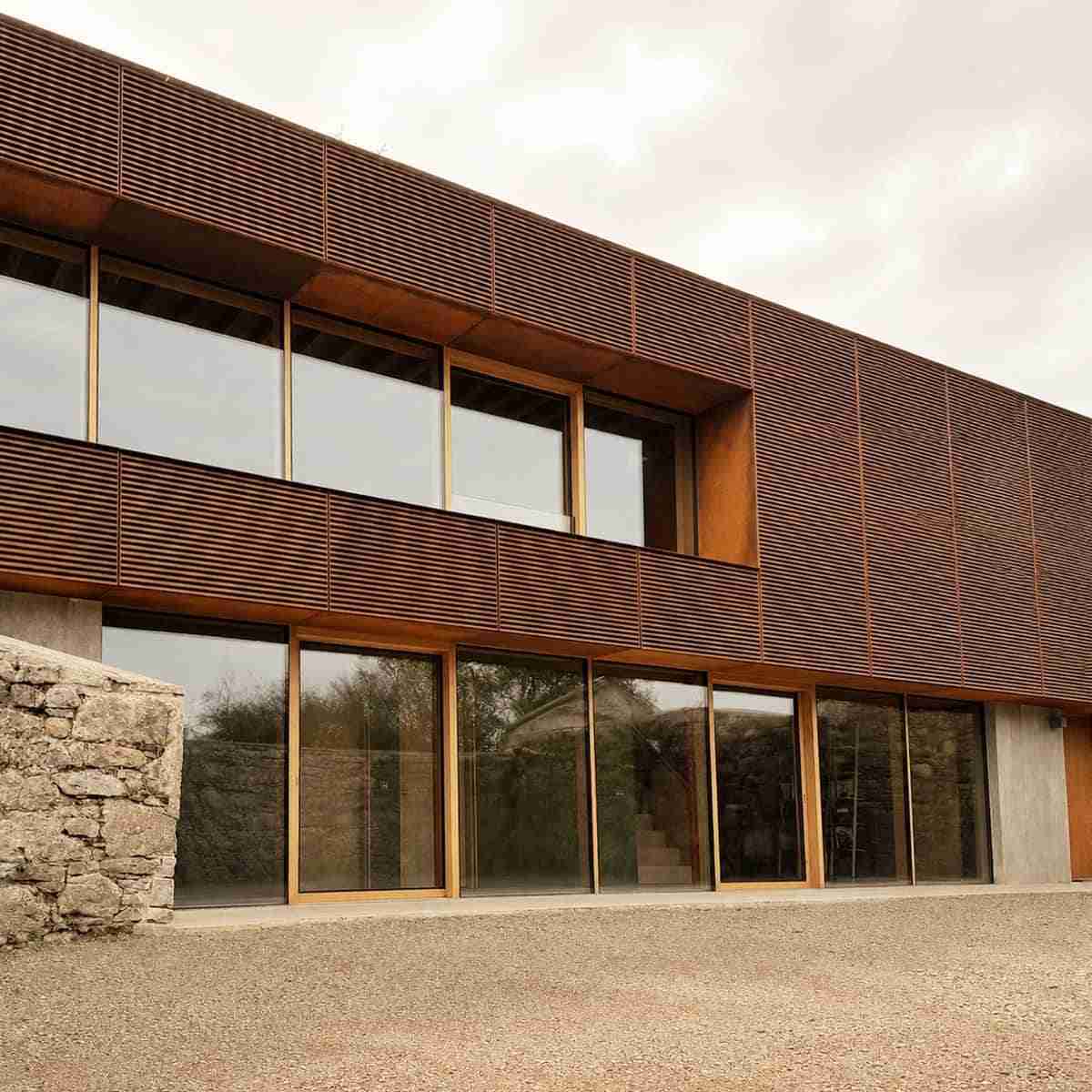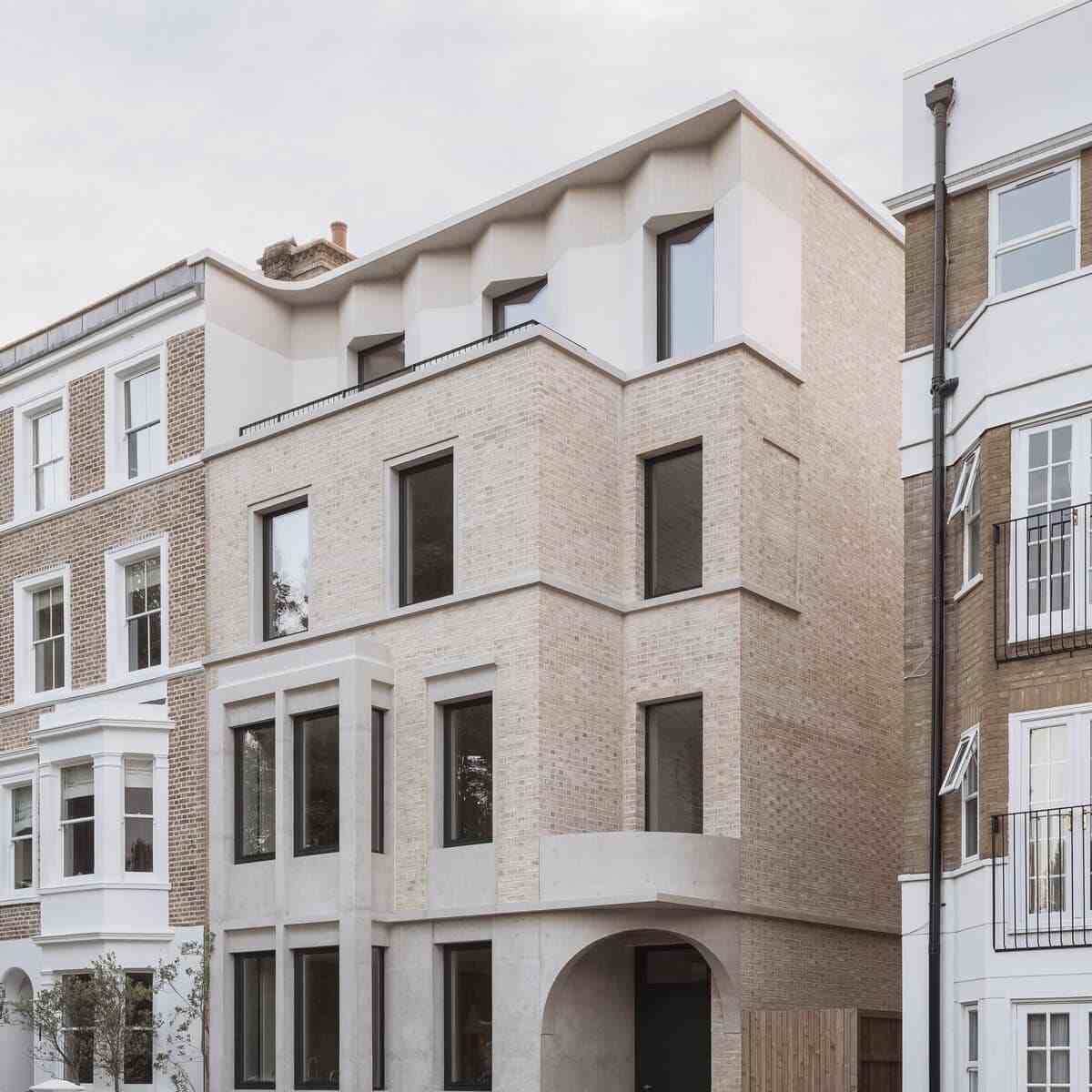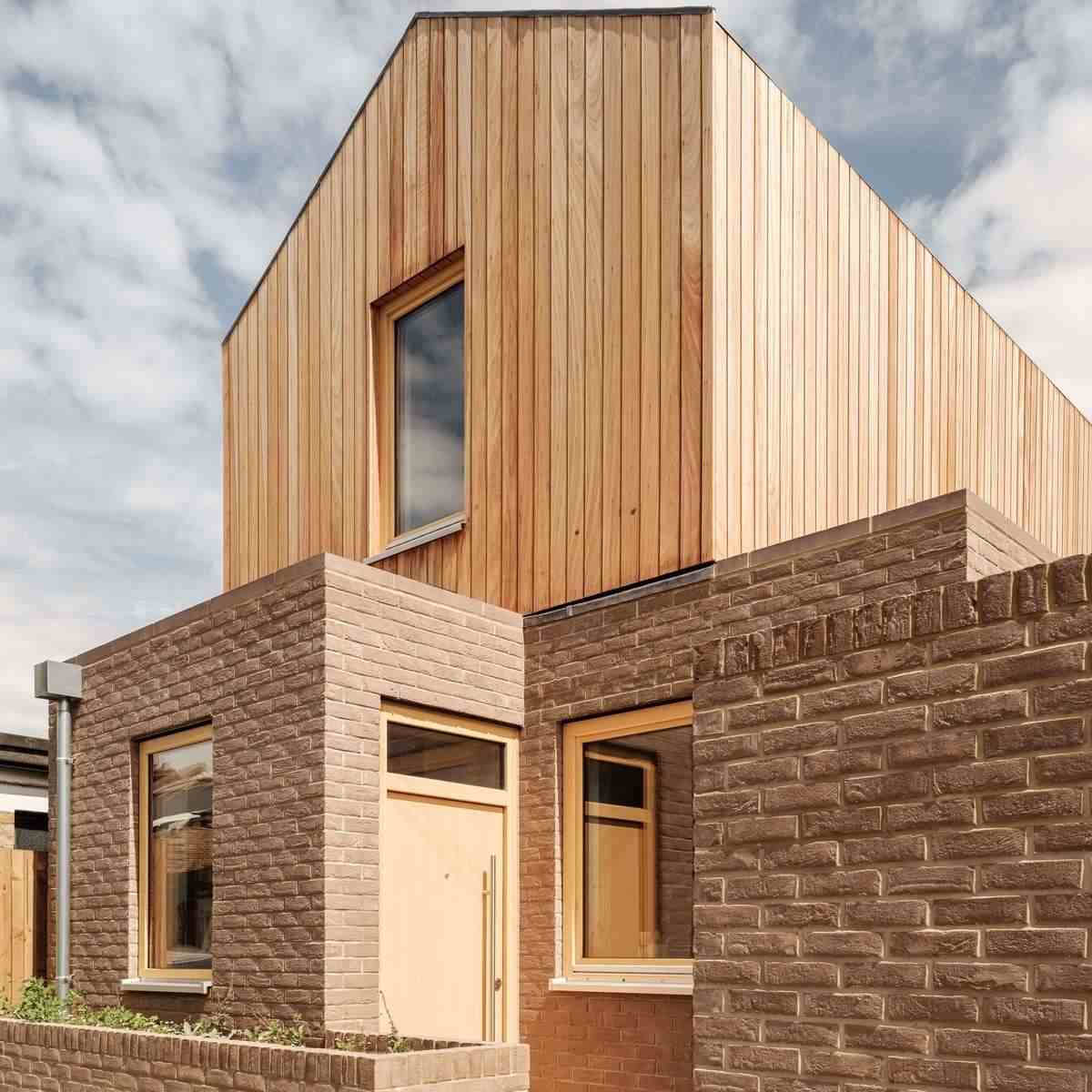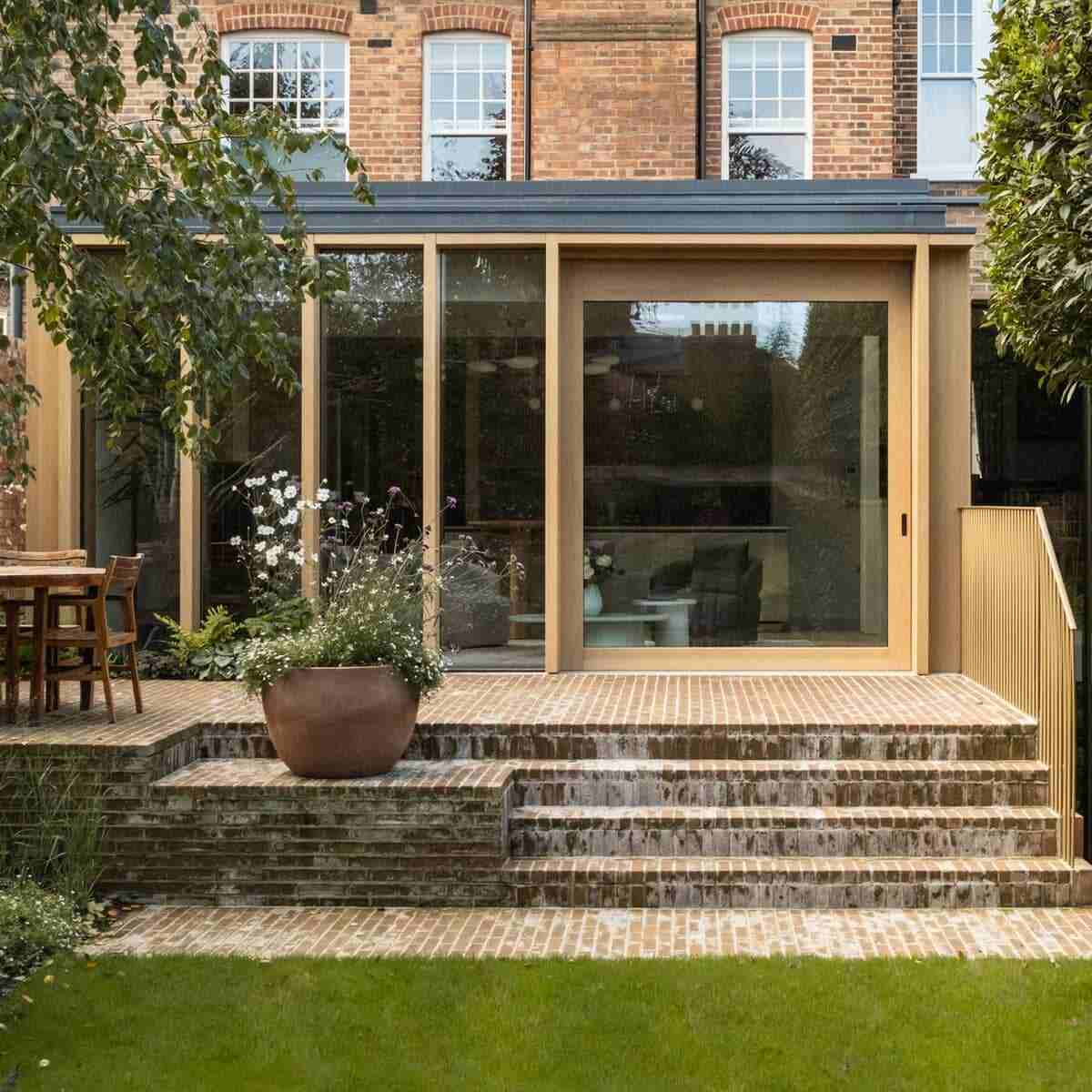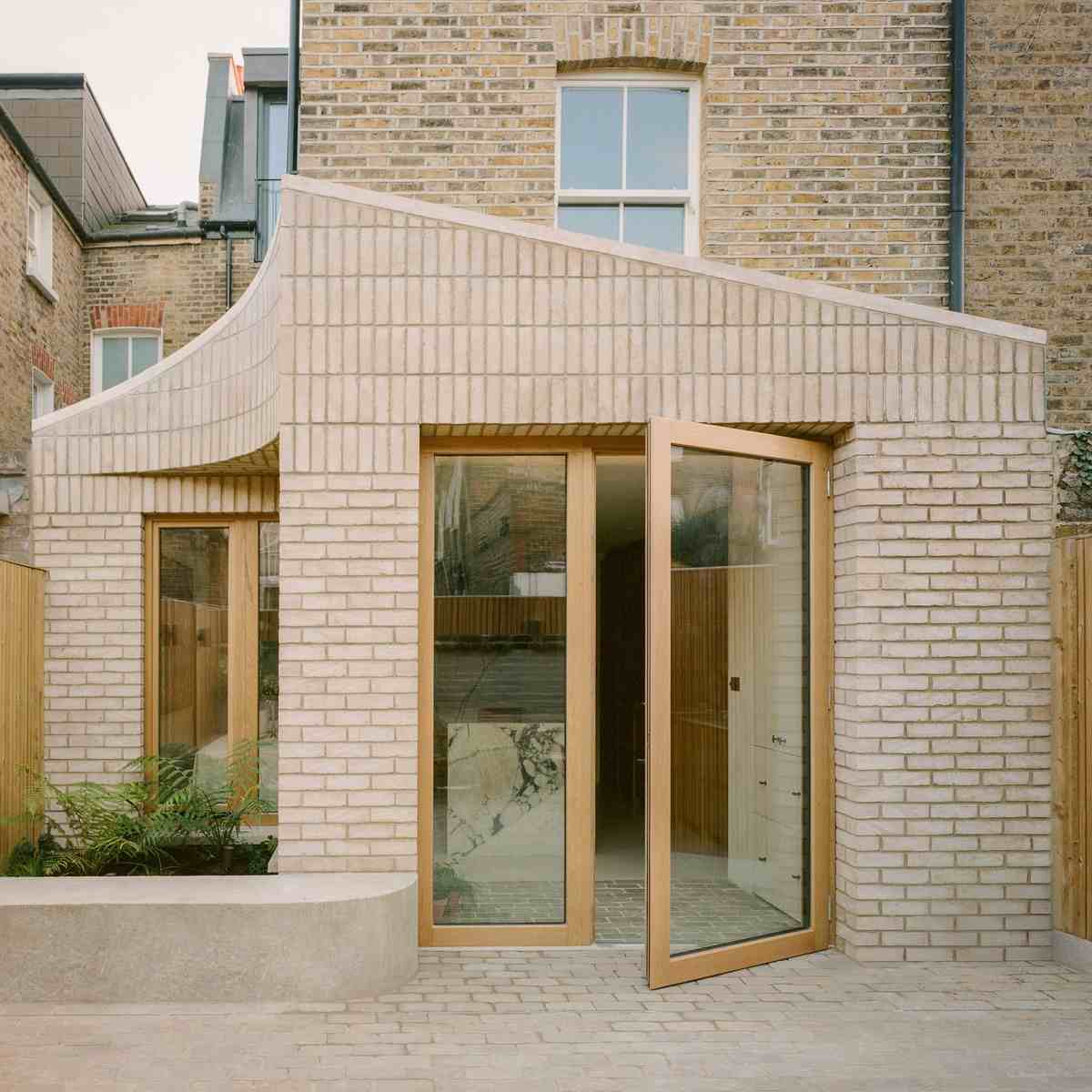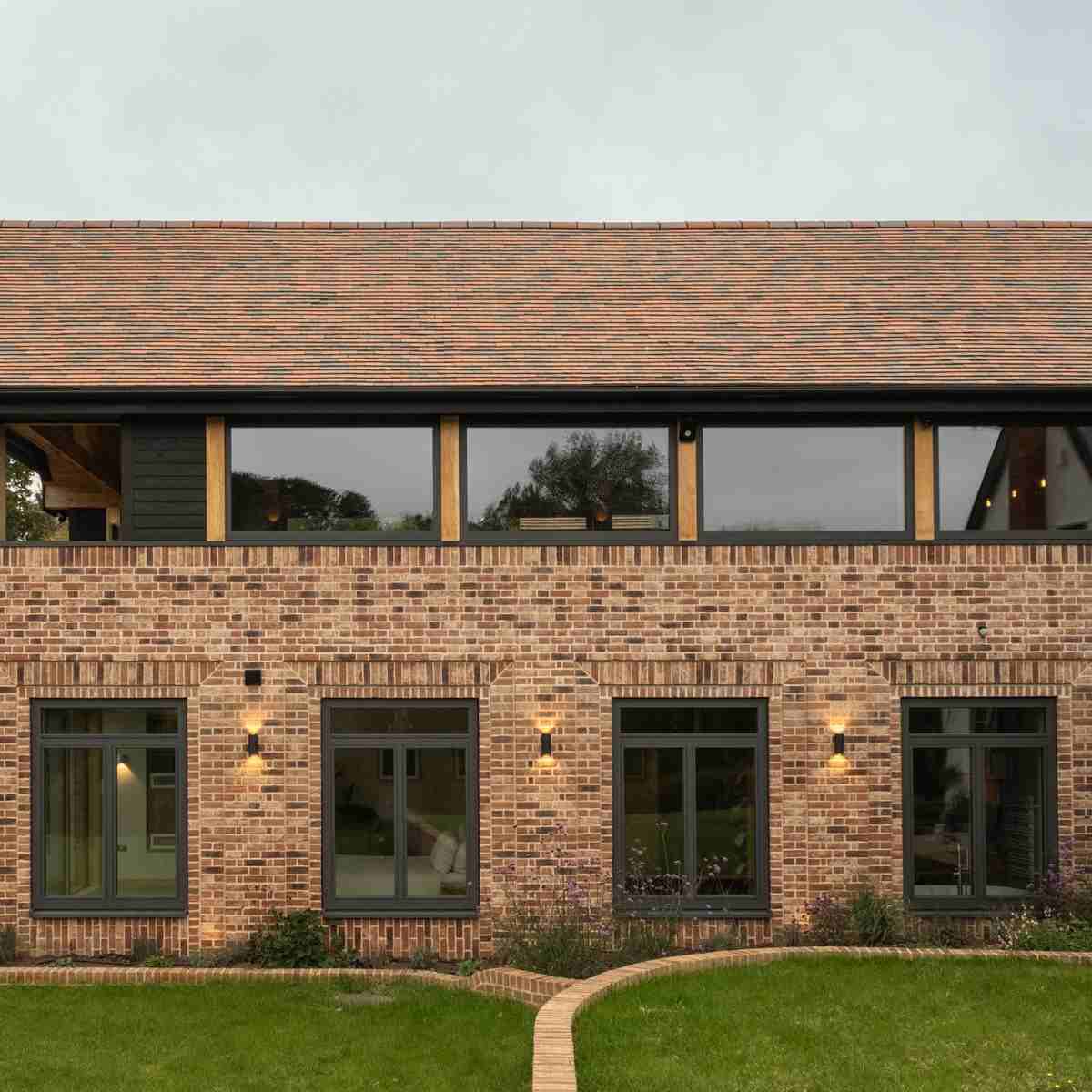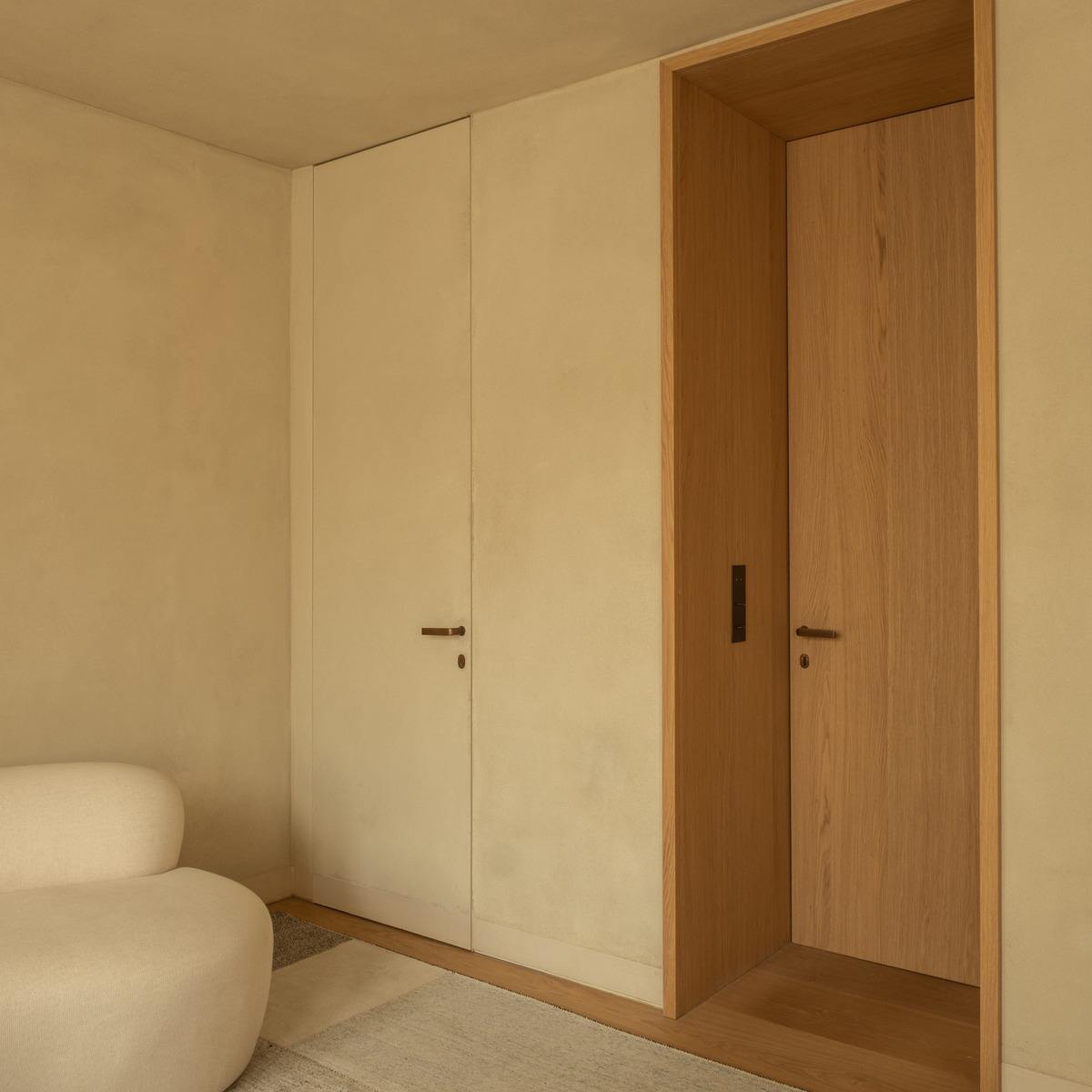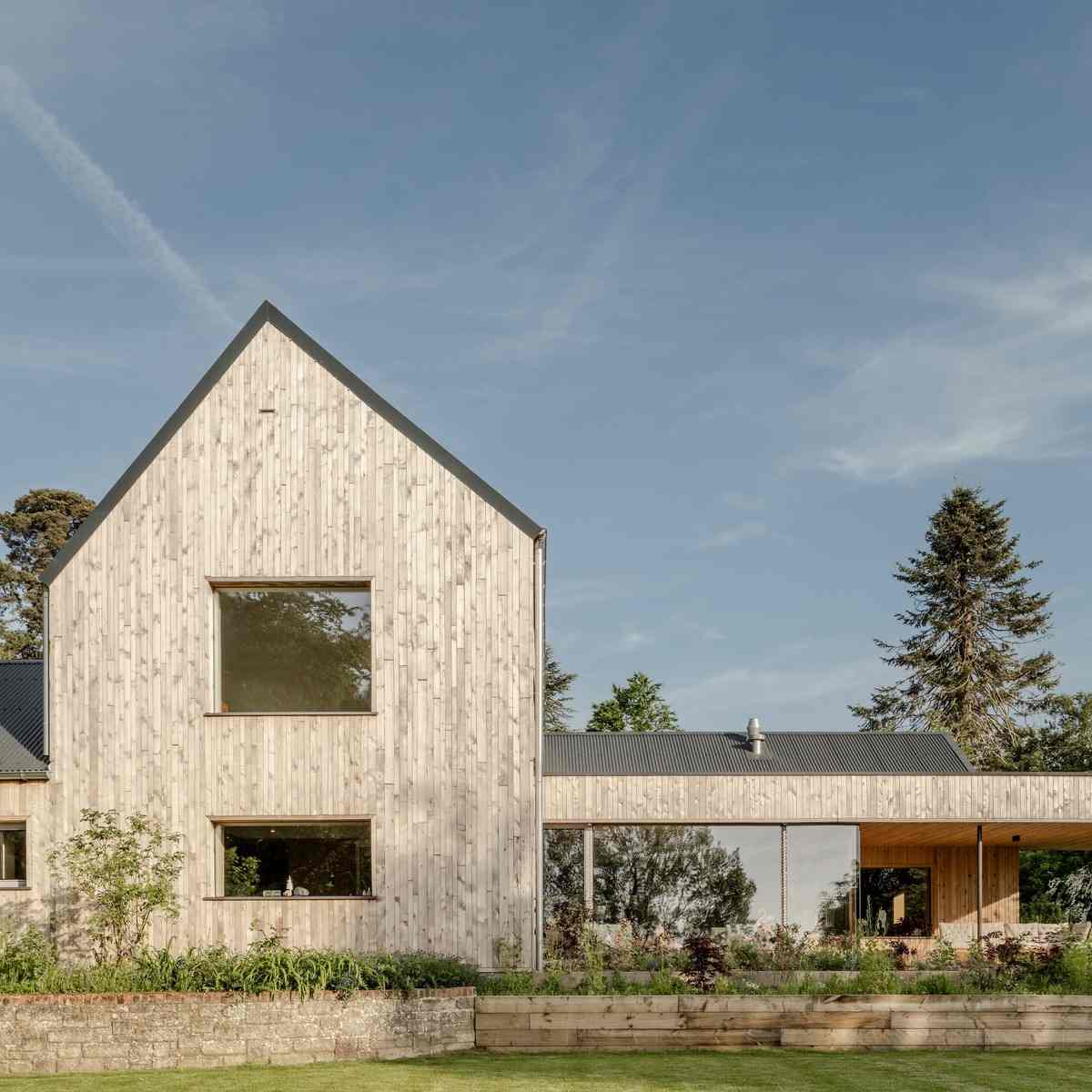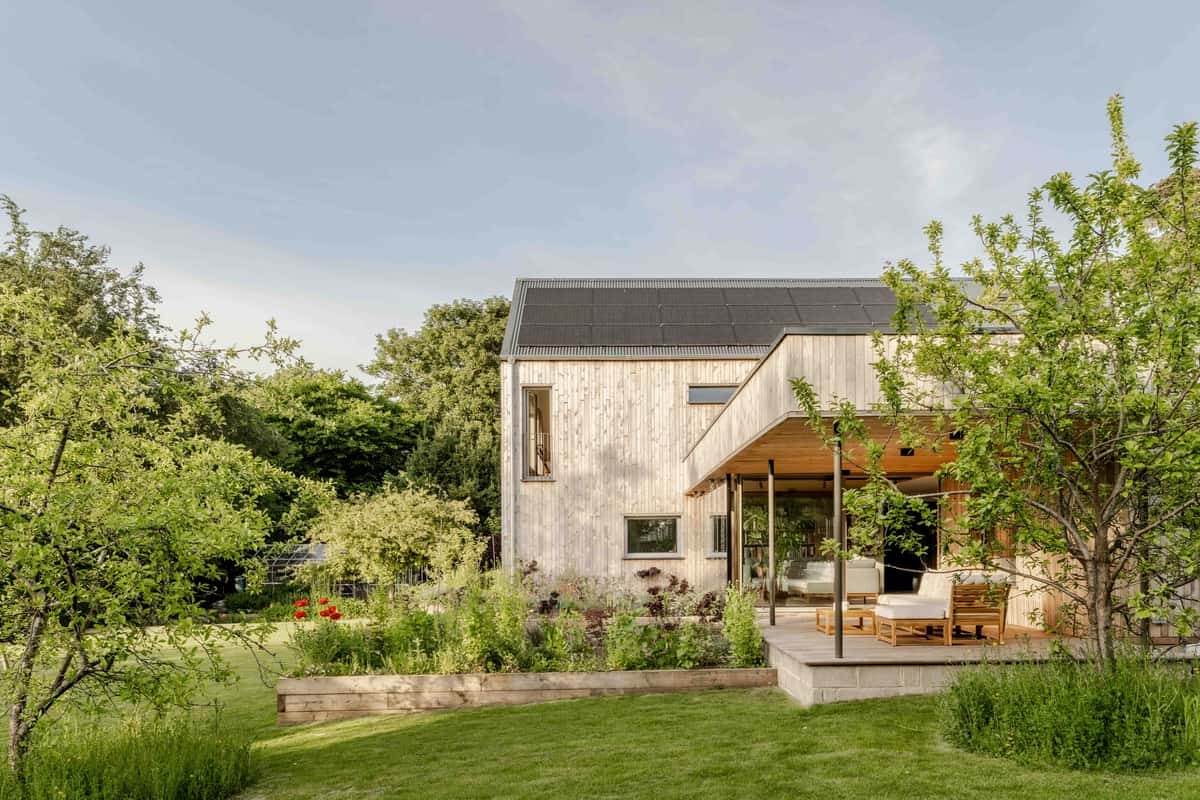
Passivhaus windows are high performance windows designed to support the demanding comfort, airtightness and energy targets of the Passive House standard. They are triple glazed, highly insulated, carefully sealed and installed in a way that reduces thermal bridging around the frame.
For homeowners, the result is a warmer, quieter and more stable indoor environment. For architects, developers and Passivhaus consultants, the value lies in the detail: whole-window U-values, g-values, airtightness, frame performance, spacer losses, installation psi-values and how the window contributes to the overall Passivhaus design.
In a true Passive House, the window is not a decorative product added at the end of the project. It is part of the building fabric. Poorly specified or poorly installed glazing can compromise comfort, energy efficiency and certification. Correctly specified Passivhaus windows can help large areas of glass feel calm, warm and architecturally refined.
Table of Contents
What is Passivhaus?
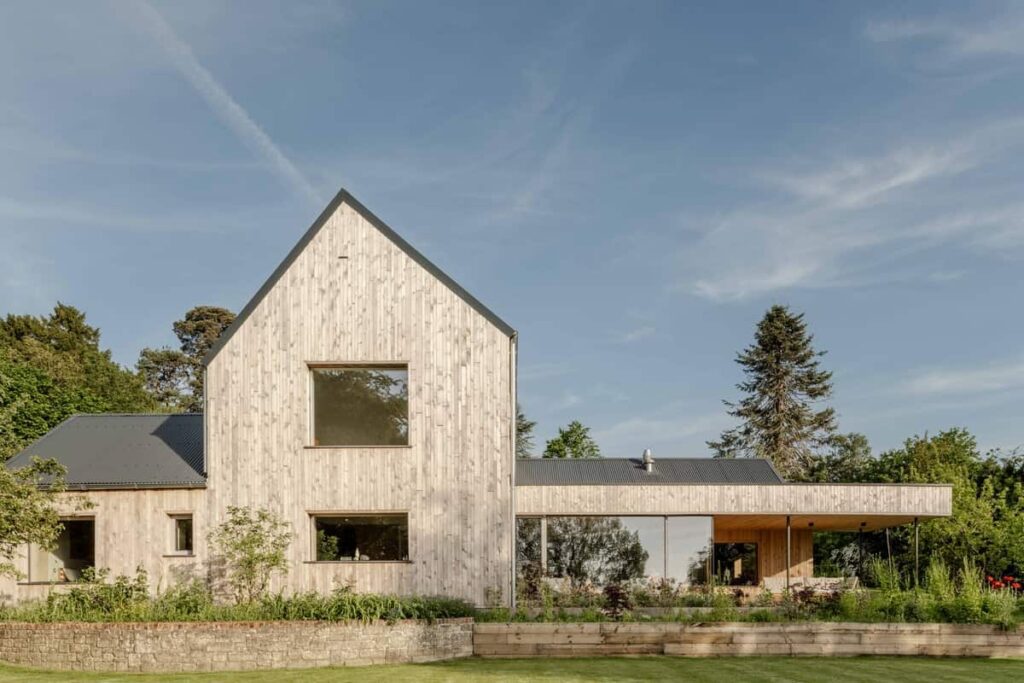
Passivhaus, also known as Passive House, is a building performance standard focused on very low energy demand, high comfort and excellent indoor air quality. It is not a specific architectural style. A Passivhaus home can be traditional, contemporary, compact, highly glazed or architecturally expressive, provided the building meets the performance criteria.
The Passivhaus standard is based on a fabric-first approach. The building is designed with high levels of insulation, excellent airtightness, controlled ventilation with heat recovery, reduced thermal bridges and high-performance windows and doors. Certification criteria commonly include very low space heating demand, airtightness of no more than 0.6 air changes per hour at 50 Pa, and year-round thermal comfort requirements.
This is why windows matter. Even in a well-insulated building, glazing is normally one of the weakest points in the thermal envelope. Passivhaus windows are designed to reduce that weakness.
What are Passivhaus windows?
Passivhaus windows are window systems specified to help a building meet Passive House requirements. They usually include:
- Triple glazing – reduces heat loss and improves internal surface temperature
- Insulated frame – limits heat loss through the frame, not just the glass
- Warm-edge spacer – reduces thermal bridging at the edge of the glazing unit
- Low-E coating – reflects heat back into the room
- Argon or gas fill – improves insulation between panes
- High-quality gaskets – supports airtightness and weather sealing
- Carefully designed installation – reduces air leakage and junction thermal bridges
The important point is that Passivhaus windows are judged by whole-window performance, not just the centre-pane glass value. The Passive House Institute explains that window performance depends on the glazing, frame, spacer and installation thermal bridges, and that an effective window U-value should not be greater than 0.8 W/m²K for Passive House suitability.
For Ecovia, this fits naturally with the company ethos: architectural timber and glazing for discerning architects, with high-performance timber and timber-aluminium windows, sliding doors, entrance doors and roof glazing systems.
Why we need high performance windows in Passivhaus homes
High performance windows solve a comfort problem as much as an energy problem.
In conventional homes, windows often create cold internal surfaces. When a person sits near the glass, the body loses heat towards that colder surface. This can feel like a draught even when there is no obvious air leak. Passive House School explains that high-performance windows improve both energy efficiency and comfort by reducing drafts, cold surface discomfort and uneven room temperatures.
Passivhaus windows were designed to solve this specific problem: the gap between the performance of insulated walls and the much weaker performance of ordinary glazing. In a well-designed Passive House, the glass line should not feel like the coldest place in the room.
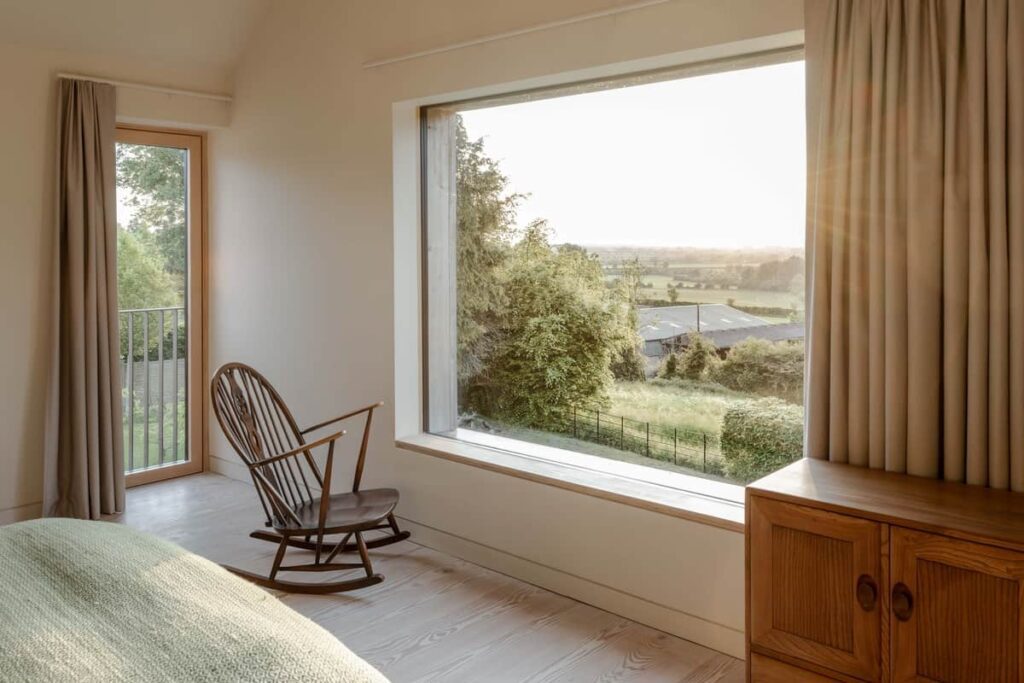
That matters particularly in contemporary homes, where architects often want larger areas of glass, open-plan living spaces, sliding doors, glazed corners and framed views. The better the window, the easier it is to combine energy performance with architectural ambition.
Passive house requirements: what window values matter?
The most important values for Passive House windows are not limited to a single U-value. A proper specification should review the full performance picture.
| Value / factor | What it means | Why it matters |
| Uw value | Whole-window U-value | The key figure for heat loss through glass, frame and edge conditions |
| Ug value | Centre-pane glazing U-value | Useful, but incomplete without frame and spacer data |
| Uf value | Frame U-value | Frames can significantly weaken total window performance |
| g-value | Solar heat gain value | Determines how much solar energy enters the building |
| Airtightness | Resistance to uncontrolled air leakage | Essential for comfort and Passive House performance |
| Spacer performance | Thermal loss at the glass edge | Important for condensation risk and edge temperature |
| Installation psi-value | Thermal bridge at the wall/window junction | Determines whether designed performance is achieved on site |
| Orientation and shading | Solar exposure by elevation | Critical for winter gain and summer overheating control |
A strong Passivhaus window specification should therefore ask: How does this window perform as installed, in this wall build-up, on this elevation, with this shading strategy?
That is the difference between buying windows and designing a high-performance envelope.
What are optimal U-values for Passive House windows?
For cool-temperate climates such as the UK, Passivhaus windows are commonly discussed around a whole-window Uw value of 0.8 W/m²K or better. Passive House School lists common cool-temperate window targets around Uf, Ug and Uw values of 0.8 W/m²K or below, with installed values also considered.
However, the lowest possible U-value is not automatically the best specification. Architects also need to consider daylight, frame proportion, g-value, orientation, acoustic performance, durability, operation, budget and installation risk.
Window performance comparison
| Window type | Typical whole-window performance | Comfort impact | Typical use case |
| Standard double glazing | Often around 1.2–1.6 W/m²K | Improved over old glazing, but can still feel cool near large panes | Standard replacement projects |
| High-performance triple glazing | Often around 0.64–0.94 W/m²K depending on system | Warmer internal surfaces, reduced downdraughts, better acoustic comfort | Low-energy homes, large glazing, exposed sites |
| Passivhaus-level glazing | Typically around ≤0.8 W/m²K product level | Designed for comfort, condensation control and low heat loss | Certified Passivhaus, EnerPHit, ultra-low-energy homes |
Comparison of standard double glazing, high-performance triple glazing and Passivhaus-level glazing follows the same logic: the difference is not only U-value, but internal surface temperature, condensation risk, radiant comfort, installation sensitivity and long-term value.
What is the g-value of a Passivhaus window?
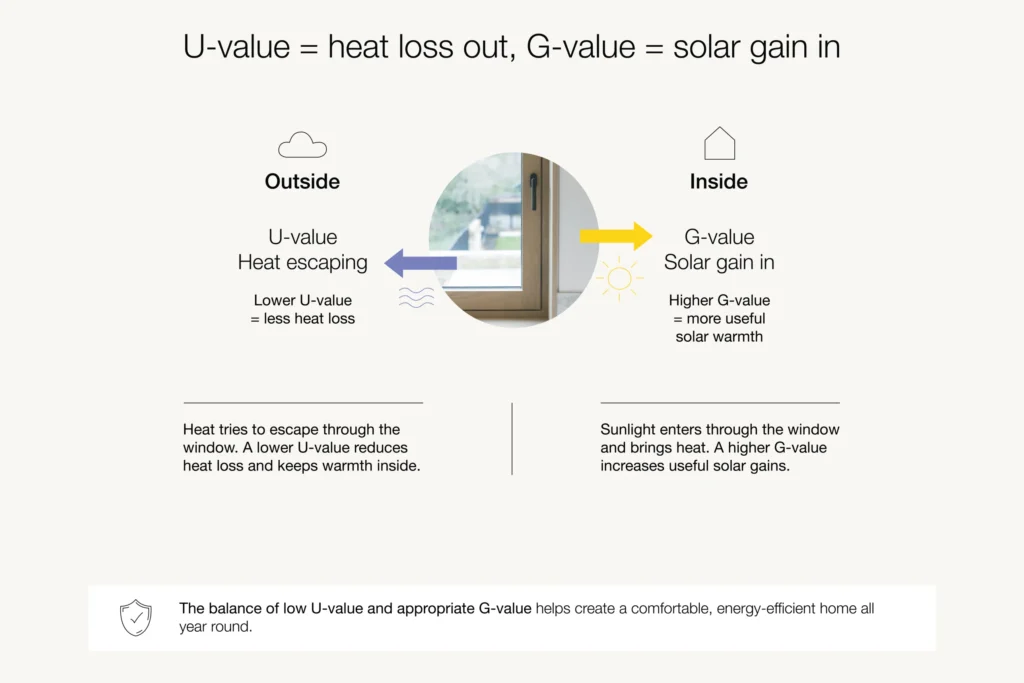
The g-value measures how much solar energy passes through the glazing.
- A higher g-value allows more solar heat into the building.
- A lower g-value reduces solar gain and can help limit overheating.
For Passivhaus windows, the right g-value depends on orientation and design. South-facing glazing can provide useful winter solar gain. Large east- and west-facing glazing can create summer overheating risk if not shaded correctly. Glass for Europe recommends considering both U-values and g-values when choosing high-energy-performance glazing, because both affect comfort and energy behaviour.
In simple terms:
| Design condition | Preferred g-value strategy |
| South-facing winter solar gain | Often benefits from moderate to higher g-value with good shading |
| East/west-facing glass | Needs careful solar control because low-angle sun is harder to shade |
| Large fixed glazing | Requires modelling of overheating risk |
| Shaded or north-facing windows | U-value may matter more than solar gain |
| Roof glazing | Needs separate consideration because angle affects solar and thermal behaviour |
The best Passivhaus design does not treat glazing as a single product choice. It treats each elevation differently.
Can you open windows in a Passivhaus?
Yes. You can open windows in a Passivhaus.
This is one of the most common misconceptions. A Passive House is airtight when the windows and doors are closed, but it is not sealed shut. Occupants can open windows for purge ventilation, summer night cooling, cleaning, personal preference and direct connection to the outside.
The difference is that a Passivhaus does not rely on accidental draughts for fresh air. When windows are closed, mechanical ventilation with heat recovery provides controlled fresh air while retaining heat. Several Passivhaus window guides make the same point: opening windows is allowed; airtightness simply means the building performs predictably when they are closed.
For Ecovia, tilt-and-turn style operation is especially relevant because it allows secure ventilation, full opening and practical cleaning access in one mechanism.
Are Passivhaus certified windows always required?
Not always.
Passivhaus certified windows can simplify specification, modelling and compliance because the tested component data is easier to use in certification workflows. But a project does not always need a certified window product to follow Passive House principles. What matters is whether the building, as a whole, meets the required performance.
Certified vs suitable-for-Passivhaus windows
| Question | Passivhaus certified windows | High-performance suitable windows |
| Best for formal certification? | Can be useful | Absolutely fine if data is modelled correctly |
| Easier for PHPP modelling? | Not always | Depends on available test data |
| Always mandatory? | No | No |
| Main risk | Cost and design limitations | Data quality and installation detail |
| Best approach | Use where certification certainty is important | Use where performance is strong and project modelling supports it |
For Ecovia, this distinction is important. Our high performance windows are suitable for Passivhaus even though not all our systems are certified. This gives us more design flexibility while still meeting stringent demands.
Timber aluminium windows and Passive House design
Passivhaus windows can be made from several materials, including timber, uPVC, aluminium-clad timber and thermally broken aluminium systems. The best material depends on the project brief.
For premium residential architecture, timber aluminium windows are particularly attractive because they combine a warm natural interior with a durable external aluminium face. This gives architects the performance and refinement expected in high-end low-energy homes without losing the material character of high quality wooden windows.
Ecovia’s product architecture fits with either style. The Vantage range is all timber and the purest expression of the Ecovia ethos, while the Endurance range adds a robust outer aluminium shell to the timber core, opening up more design possibilities while retaining the warmth and beauty of timber windows and doors.
Material comparison for Passivhaus windows
| Material | Strengths | Considerations |
| Timber windows | Warm interior, strong natural character, excellent premium aesthetic | Requires quality treatment and maintenance strategy |
| Timber aluminium windows | Timber inside, durable aluminium outside, strong modern design fit | Usually premium-priced |
| uPVC windows | Cost-effective, thermally efficient options available | Less aligned with premium architectural timber positioning |
| Aluminium windows | Slim modern appearance | Requires robust thermal break strategy |
| Composite systems | Can balance durability and insulation | Performance depends heavily on system quality |
For Ecovia our focus is on premium high performance windows for projects where comfort, material quality, detailing and architecture matter together. All the while keeping a range of products to match different project budgets.
Can window installation compromise Passive House performance?
Yes. Installation can compromise Passive House performance significantly.
A window may have excellent laboratory values, but the real building performance depends on how that window is positioned and sealed within the wall. Poor junction detailing can create air leakage, cold bridges, condensation risk and lower internal surface temperatures.
REHAU’s Passivhaus guide emphasises that airtightness is key to heat loss, energy efficiency, thermal comfort and protecting the building fabric from damp and mould. It also states that Passivhaus should be integrated from the outset rather than achieved by ticking off individual technical requirements in isolation.
For architects and contractors, this means the following details should be resolved early:
| Installation item | Why it matters |
| Frame position in the insulation zone | Reduces thermal bridging |
| Airtight tapes and membranes | Maintains airtightness layer continuity |
| Sill and threshold detail | Prevents cold bridges and water ingress |
| Reveal insulation | Improves internal surface temperature |
| Fixing strategy | Avoids performance and movement issues |
| Coordination with MVHR and shading | Supports whole-building comfort |
| Installer competence | Ensures specification becomes real performance |
This is where a premium glazing partner adds value. Ecovia offers more than just a product supply; it offers collaboration through design, specification, manufacture, installation and aftercare.
Passivhaus windows cost: what affects the price?
Passivhaus windows cost more than standard double glazing because they involve higher-performance glazing, stronger frames, better sealing, specialist hardware, heavier units, more careful installation and often more detailed project coordination.
The final cost depends on:
- Window size and glass area – larger units increase glass, handling and engineering requirements
- Frame material – timber and timber-aluminium systems sit at the premium end
- Opening type – tilt-turn, lift-slide and large-format openings cost more than fixed units
- Glazing specification – triple glazing, coatings, gas fills and acoustic upgrades affect price
- Certification route – certified component data can increase cost but reduce modelling uncertainty
- Installation complexity – airtightness, access, reveals, thresholds and sequencing affect labour
- Finish and hardware – bespoke RAL, stains, handles and security upgrades add cost
Market guidance often places triple glazing above double glazing by a meaningful premium, with estimates varying by material and project type. Recent UK cost guides commonly describe triple glazing as materially more expensive than standard double glazing, especially when timber, aluminium, large formats or specialist mechanisms are involved.
As far as for Ecovia, cost should be framed as a specification conversation, not a commodity comparison. In a Passivhaus home, windows influence heating demand, comfort, acoustic performance, design quality and long-term resilience. The cheapest window can become expensive if it compromises the envelope.
What do homeowners and self-builders notice in real life?
First-hand experiences around triple glazing and Passive House windows tend to focus less on abstract energy calculations and more on comfort, solidity, noise and installation quality.
Users often describe triple-glazed windows as making a noticeable difference to comfort near the glass, particularly the reduction of cold air from the window in winter. UK discussions also show that buyers are cautious about whether triple glazing is worth the extra cost, especially when salespeople recommend against it for standard replacement situations.
Self-builders and homeowners also show the similar pattern: satisfaction often comes from the combination of product quality, smooth operation, careful installation and confidence in the process, not simply from the glazing unit alone.
What are the advantages of Passive House windows?
The main advantages of Passive House windows are:
- Lower heat loss – supports low heating demand and better building fabric performance
- Warmer internal glass – reduces cold radiation and discomfort near glazing
- Better airtightness – helps prevent draughts and uncontrolled heat loss
- Lower condensation risk – warmer surfaces reduce moisture risk at glass edges and reveals
- Improved acoustic comfort – triple glazing and quality seals can reduce outside noise
- Better design freedom – large glazing becomes easier to justify in low-energy homes
- Future-proof specification – supports tightening energy standards and premium buyer expectations
- Better whole-home comfort – rooms feel more even and stable throughout the year
The most important advantage is not just lower energy use. It is the feeling of comfort near glazed areas.
What are the disadvantages of Passive House windows?
Passive House windows also have limitations:
- Higher upfront cost – premium frames, triple glazing and installation details cost more
- Heavier units – large triple-glazed panels need careful handling and hardware
- More complex specification – U-value, g-value, airtightness and installation all need coordination
- Installation sensitivity – poor junctions can undermine the designed performance
- Overheating risk if poorly designed – large glass areas need g-value and shading strategy
- May be unnecessary for some homes – standard upgrades may be enough in some non-low-energy projects
The key is not to avoid Passivhaus windows. The key is to specify them where the project genuinely benefits from their performance.
Choosing the best energy efficient windows for a Passivhaus or low-energy home
The best energy efficient windows are not chosen by U-value alone. They are chosen by matching the glazing system to the architecture, climate, orientation and performance target.
For a Passivhaus or low-energy home, ask:
- What whole-window Uw value is required?
- Is the g-value suitable for each elevation?
- Is the frame performance strong enough?
- Are warm-edge spacers included?
- Are airtightness values available?
- Can the supplier support installation detailing?
- Is the system suitable for large glazing, sliding doors or glazed corners?
- Does the product support the architectural language of the project?
- Is the specification compatible with the PHPP model?
- Is there evidence from similar completed projects?
Ecovia covers all these questions offering products within all-timber performance Vantage range and timber-aluminium Endurance range.
Why choose Ecovia for Passivhaus windows and high performance windows?
Ecovia is positioned for projects where glazing has to do more than fill an opening.
Our range includes high-performance timber windows, timber aluminium windows, sliding doors, entrance doors, balcony doors, side doors, roof structures and curtain walls. Ecovia’s product portfolio includes triple glazing options, Passiv options on selected systems, Class 4 airtightness, strong acoustic performance and whole-window U-values that support low-energy design discussions. The Endurance Modern Air 4 Panel Sliding Door, for example, lists triple glazing, a Passiv option, Class 4 airtightness and a U-value up to 0.74 W/m²K.
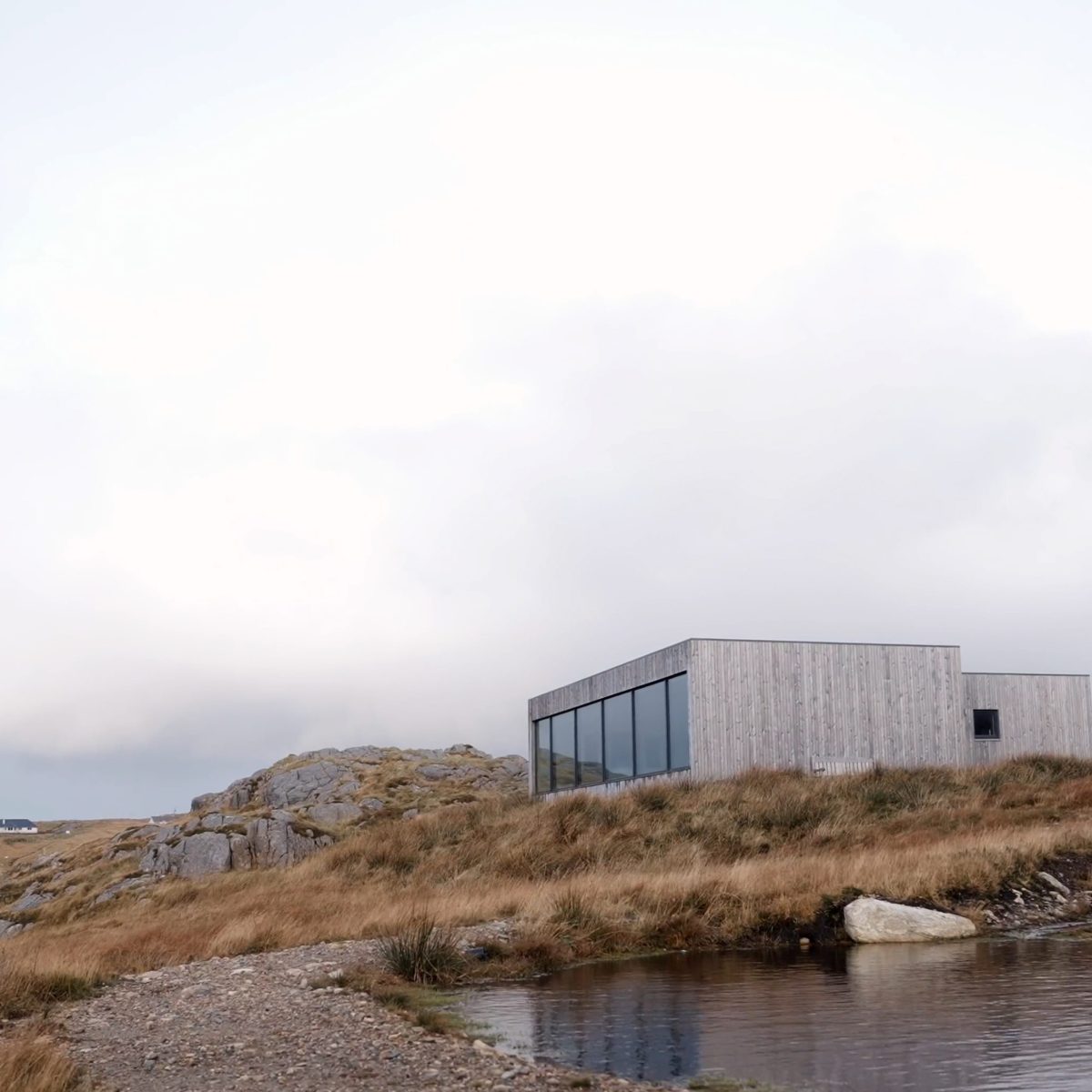
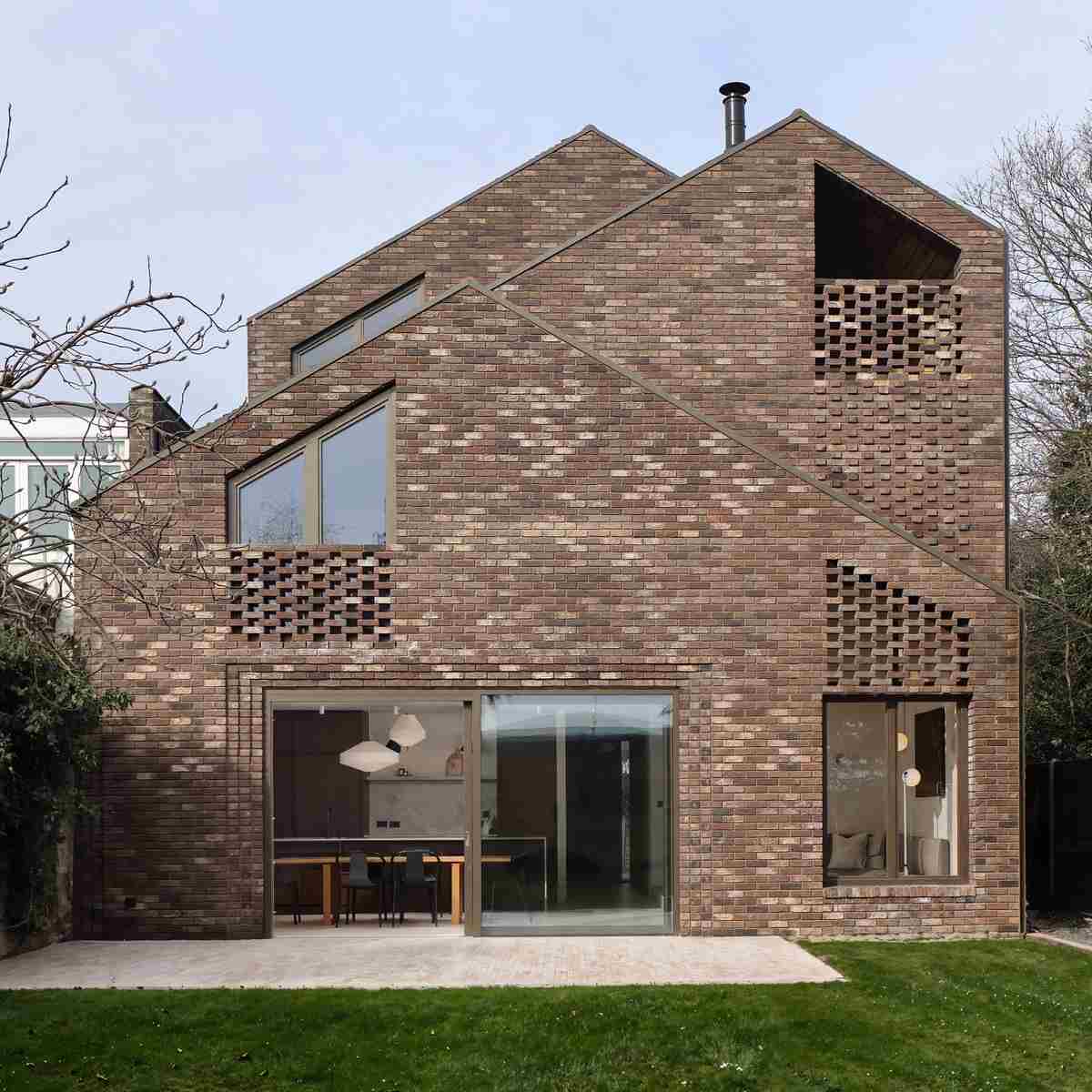
The case studies also support the reasoning for choosing us for bespoke Passive House projects. Meadow House used bespoke Endurance Flush windows and doors with aluminium exteriors and oak interiors, with each unit triple glazed for thermal performance while preserving architectural integrity. Nordic Light shows the design value of Ecovia’s Endurance Classic system, combining natural timber interiors with durable aluminium cladding externally.
That is something that we strive for: not commodity Passivhaus windows, but beautifully detailed high performance windows for architect-led, low-energy homes.
Speak to Ecovia about Passivhaus windows
If you are planning a certified Passivhaus, a low-energy new build or a performance-led architectural renovation, Ecovia can help you understand which glazing specification fits the project.
Talk to our team about Passivhaus windows, passive house requirements, timber aluminium windows, alu clad timber windows, U-values, g-values, airtight installation details and high-performance glazing systems for ambitious homes.
Speak to one of our experts to get started
Whatever your requirements, we’ll advise, inspire and support your plans to deliver your architectural vision.
Frequently asked questions about Passivhaus windows
What is Passivhaus?
Passivhaus is a performance standard for buildings with very low heating and cooling demand, excellent airtightness, high comfort and controlled ventilation. It is based on a fabric-first design approach rather than a particular architectural style.
What are Passivhaus windows?
Passivhaus windows are high performance windows designed to support Passive House requirements. They usually combine triple glazing, insulated frames, warm-edge spacers, low-E coatings, gas fills, airtight seals and careful installation detailing.
What are optimal U-values for Passive House windows?
For cool-temperate climates such as the UK, Passive House windows are commonly specified around a whole-window Uw value of 0.8 W/m²K or better. The installed value should also be considered because junction detailing affects real performance.
What is the g-value of a Passivhaus window?
The g-value measures how much solar heat passes through the glazing. The best g-value depends on orientation, shading and overheating risk. South-facing glass may benefit from solar gain, while east- and west-facing glass often needs more solar control.
Can you open windows in a Passivhaus?
Yes. You can open windows in a Passivhaus. The building is airtight when closed, but occupants can open windows for fresh air, summer cooling, cleaning and personal preference.
Are Passivhaus certified windows required?
No. Certified windows can simplify Passivhaus modelling and compliance, but what matters most is whether the product and installation help the whole building meet the required performance.
Can window installation compromise Passive House performance?
Yes. Poor installation can create air leakage, thermal bridging and condensation risk. Frame position, airtight tapes, sill details, reveal insulation and installer quality are all important.
What are the advantages of Passive House windows?
The advantages include lower heat loss, warmer internal glass, reduced draughts, better comfort, lower condensation risk, improved acoustic performance and better long-term energy efficiency.
What are the disadvantages of Passive House windows?
The main disadvantages are higher upfront cost, heavier glazing, more complex specification and greater sensitivity to installation quality. They are best used where the project genuinely benefits from high performance.
How much do Passivhaus windows cost?
Passivhaus windows cost varies by size, frame material, opening type, glazing specification, finish, certification route and installation complexity. Timber and timber-aluminium Passivhaus-level systems usually sit at the premium end of the market.
Are timber aluminium windows suitable for Passivhaus homes?
Yes. Timber aluminium windows and alu clad timber windows can be suitable for Passivhaus homes when the system meets the required U-value, airtightness, g-value and installation performance.
What are the best energy efficient windows?
The best energy efficient windows combine low whole-window U-values, appropriate g-values, airtight construction, insulated frames, warm-edge spacers and installation details that reduce thermal bridging.