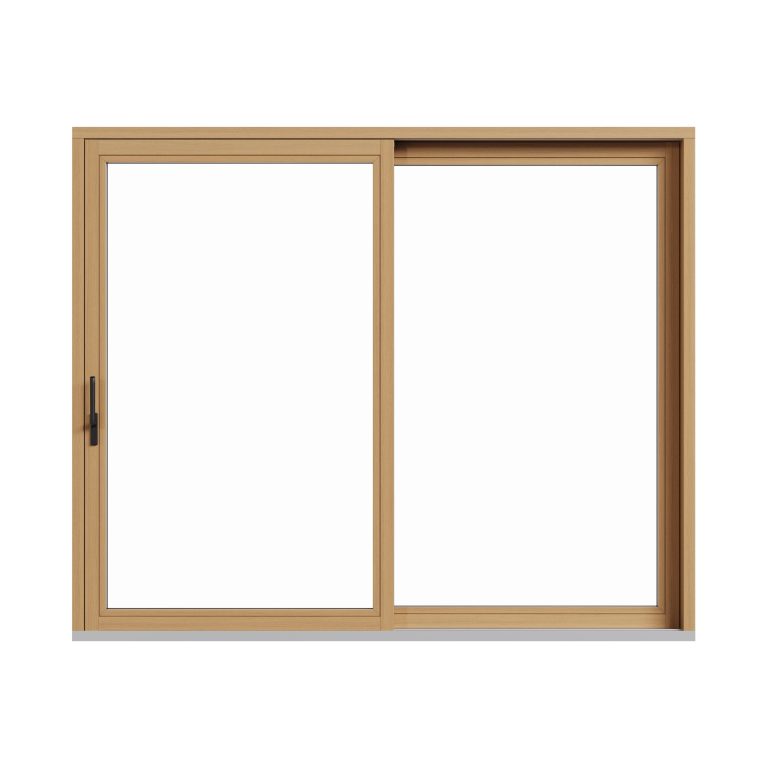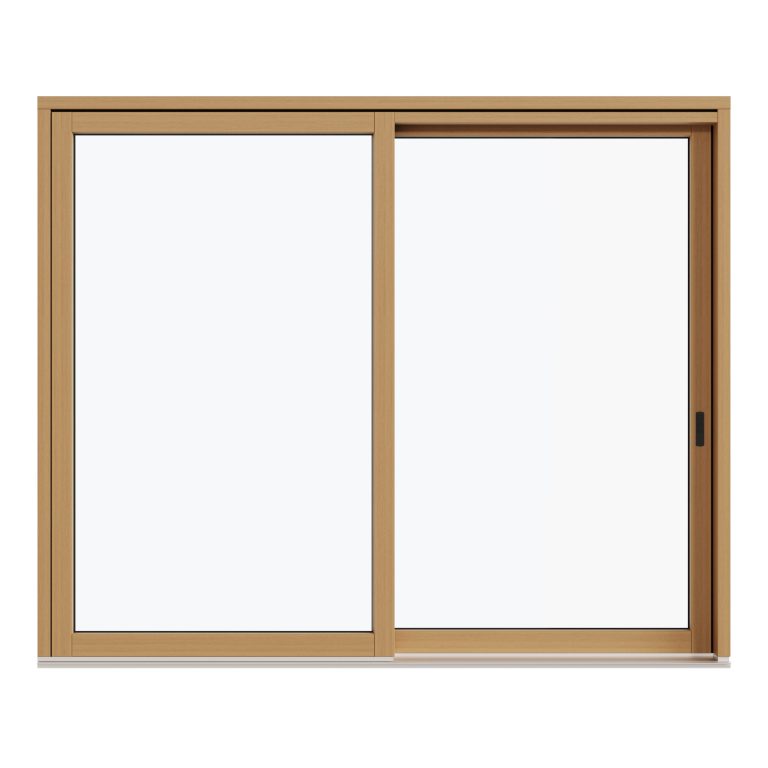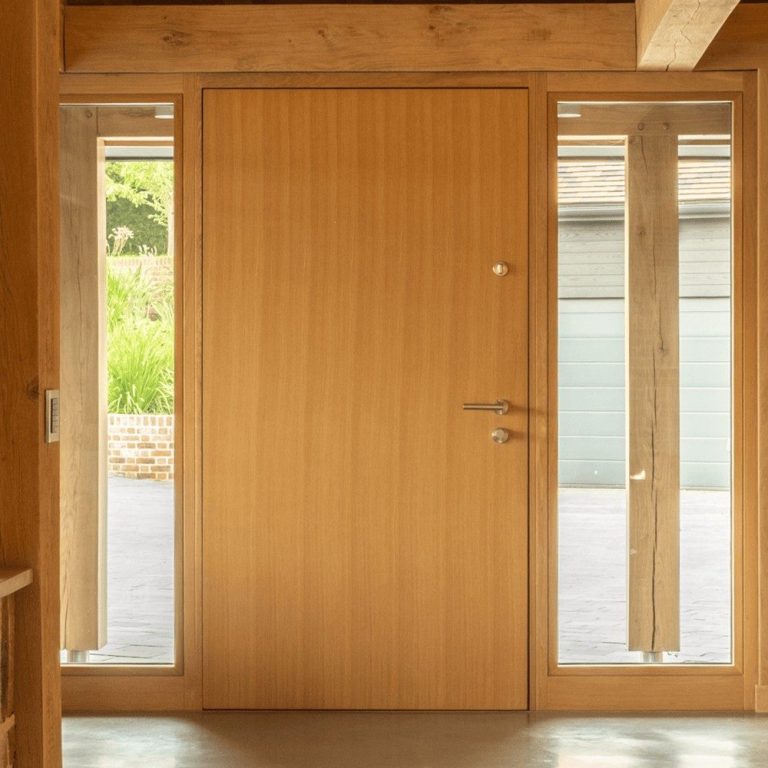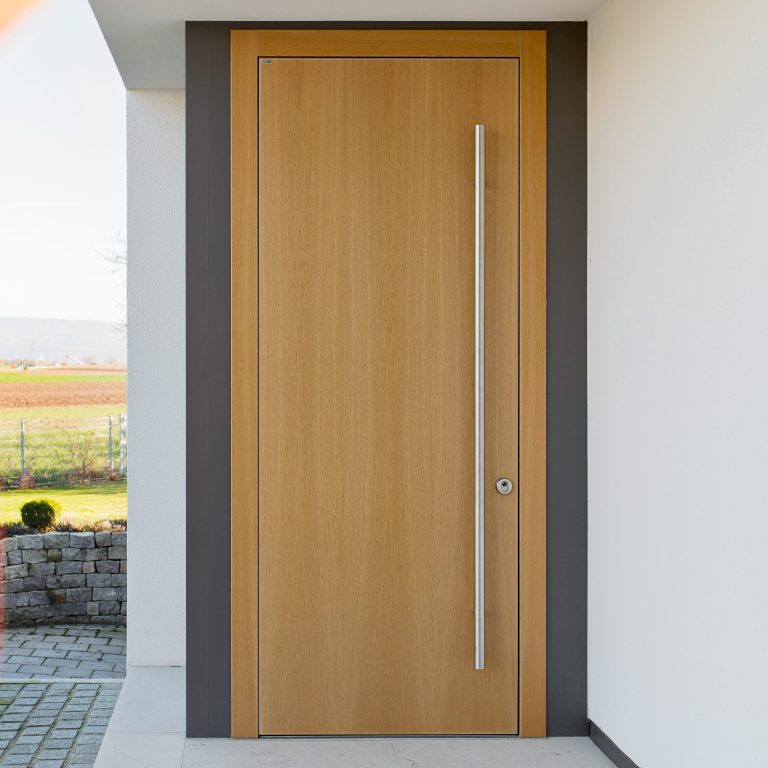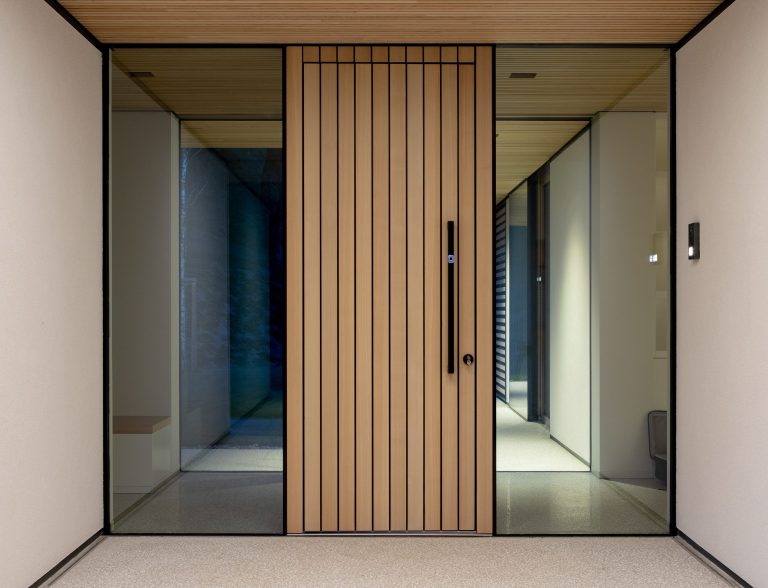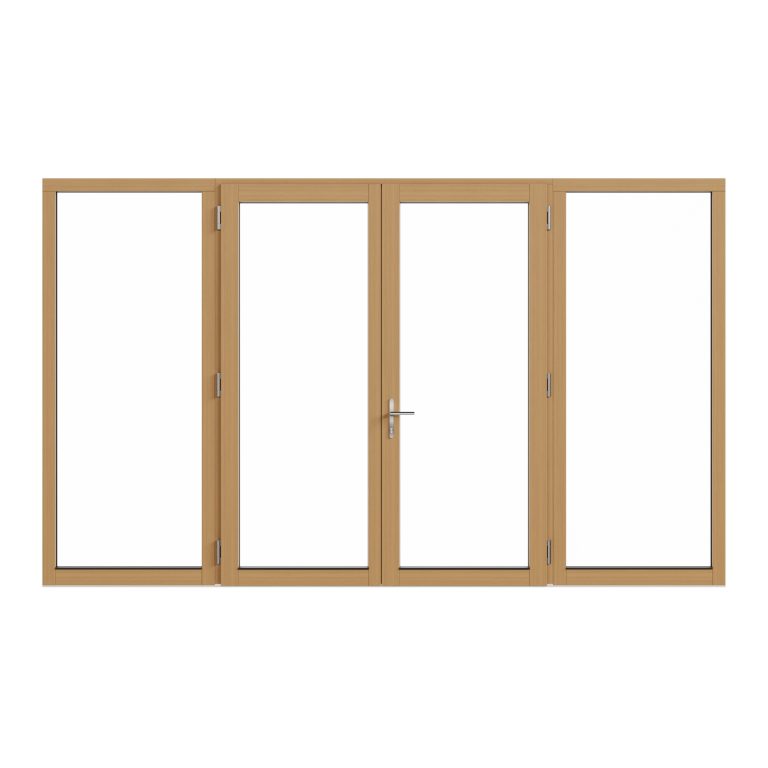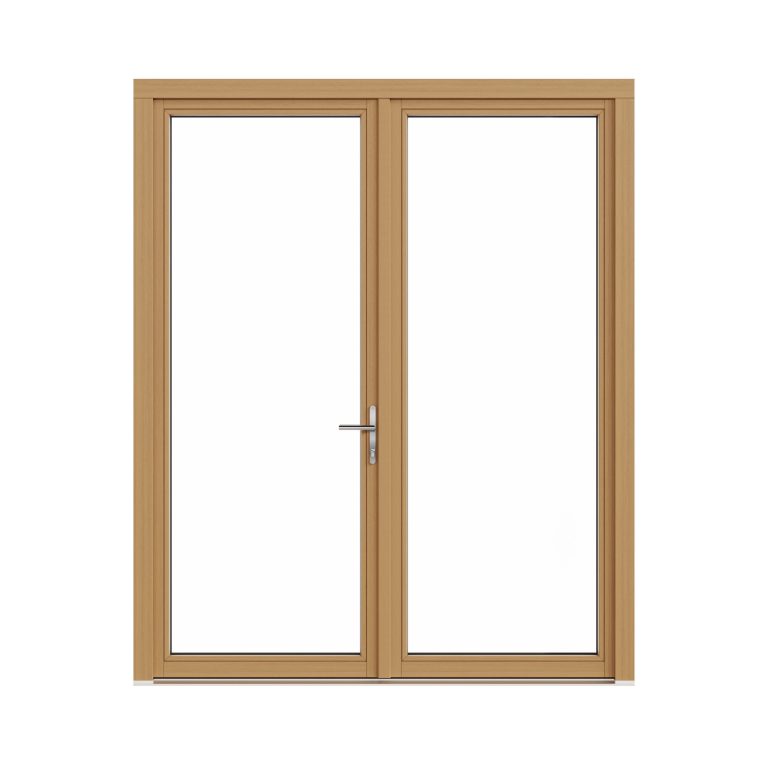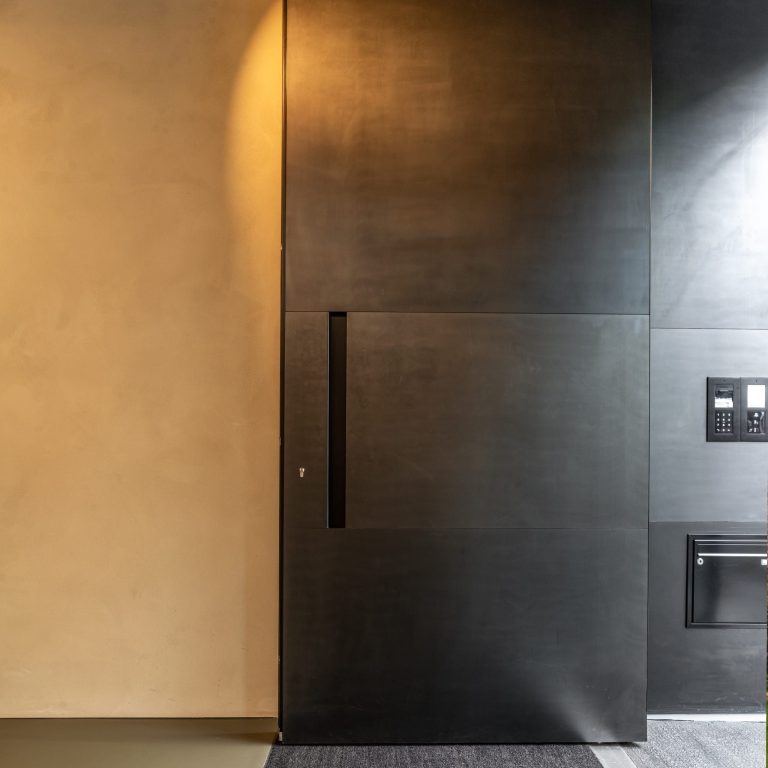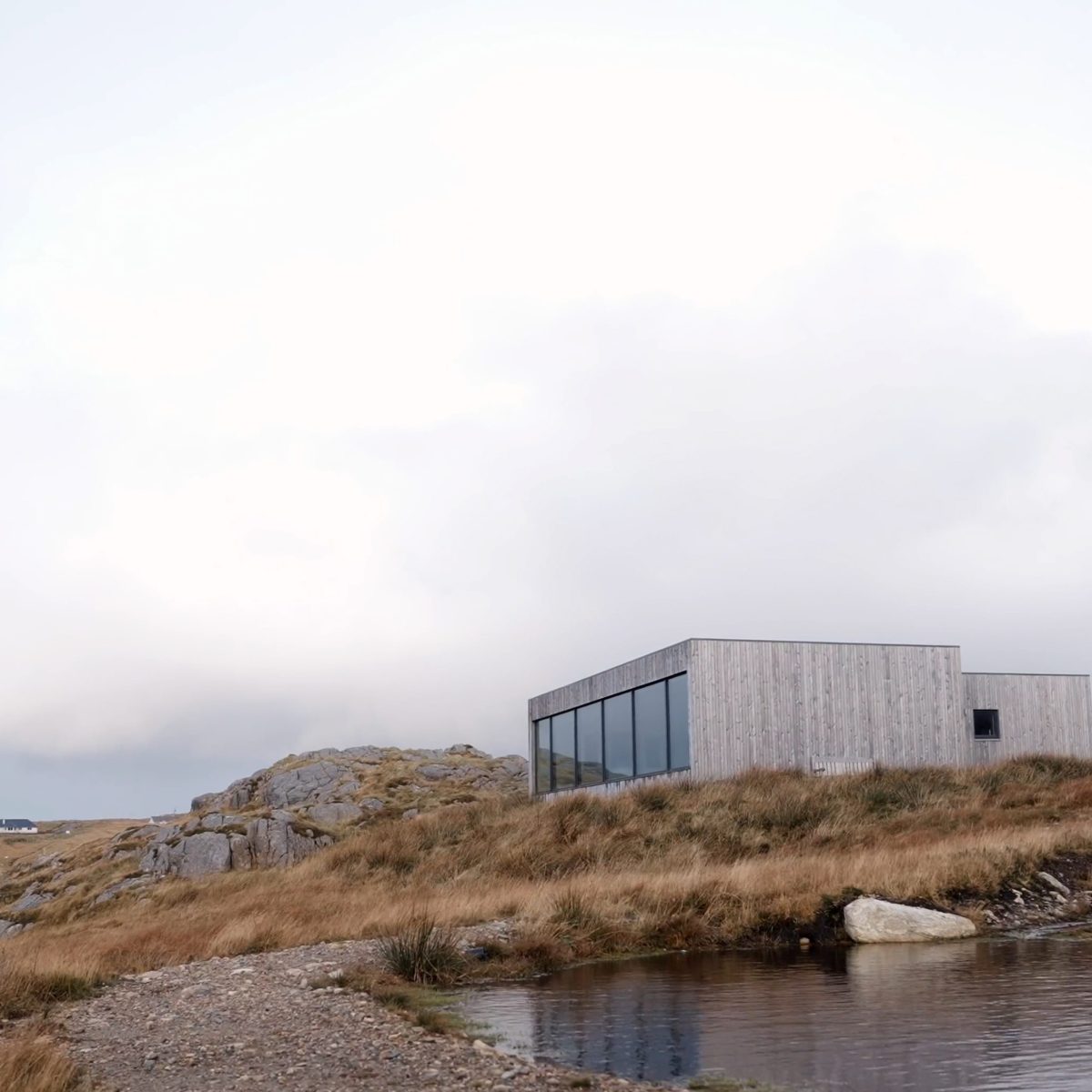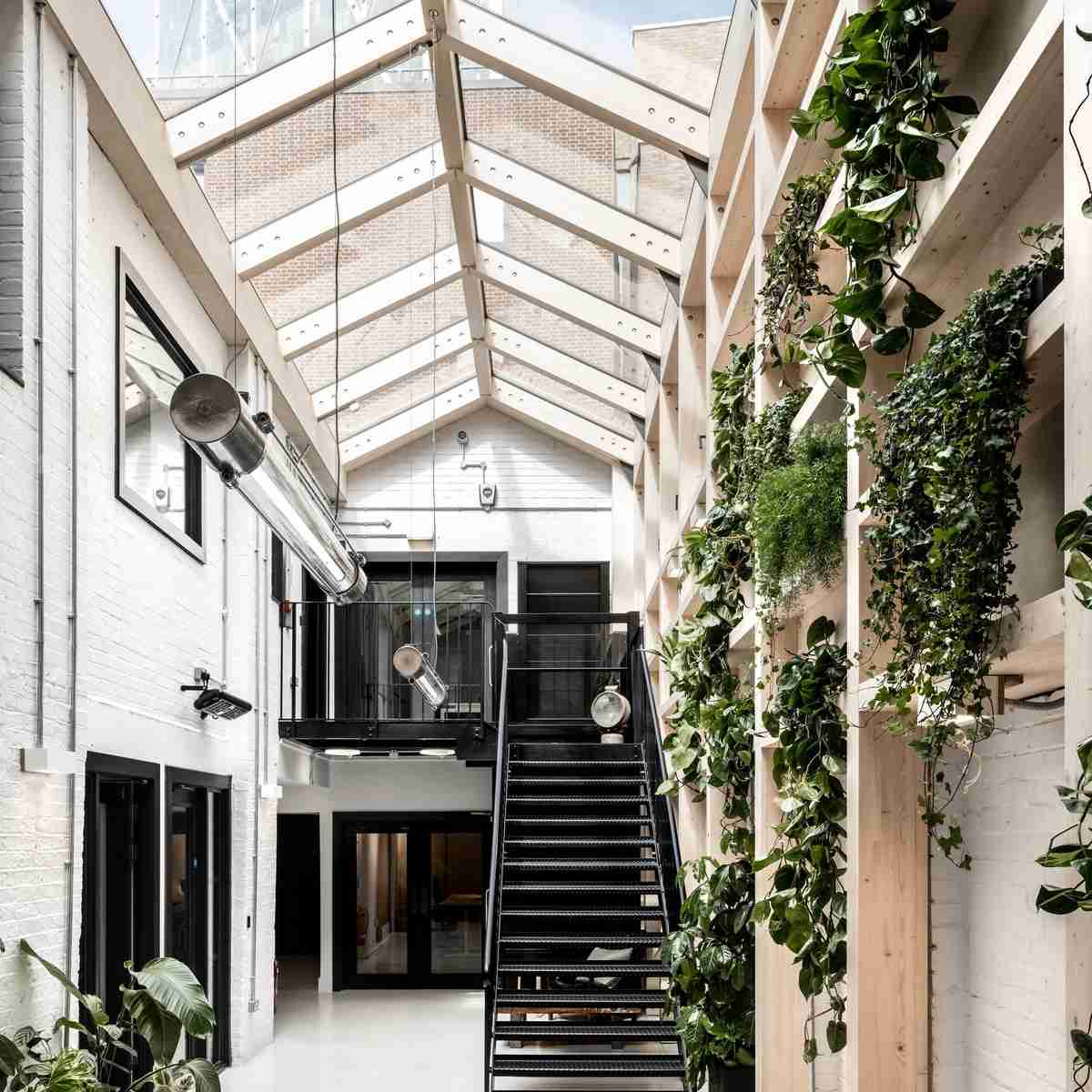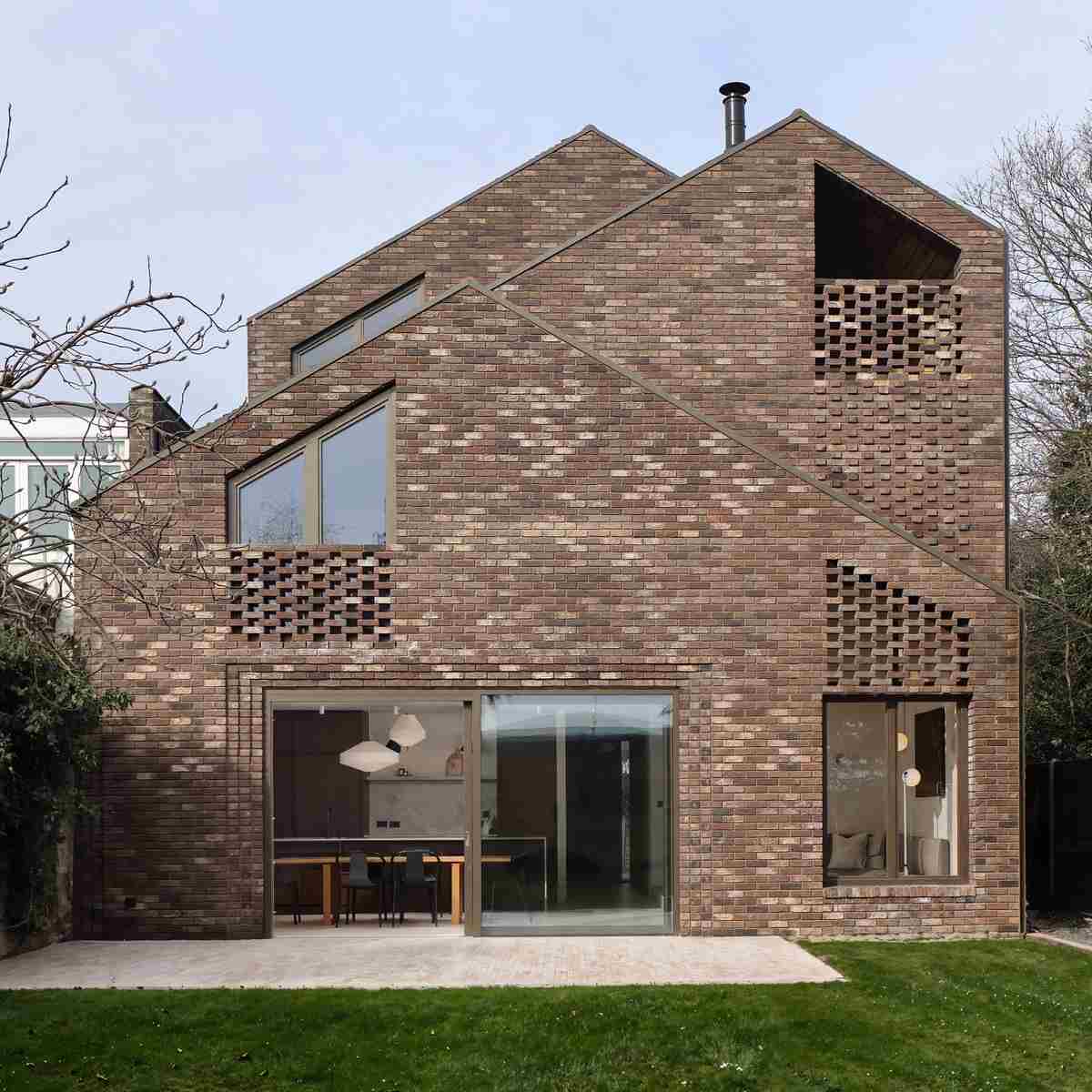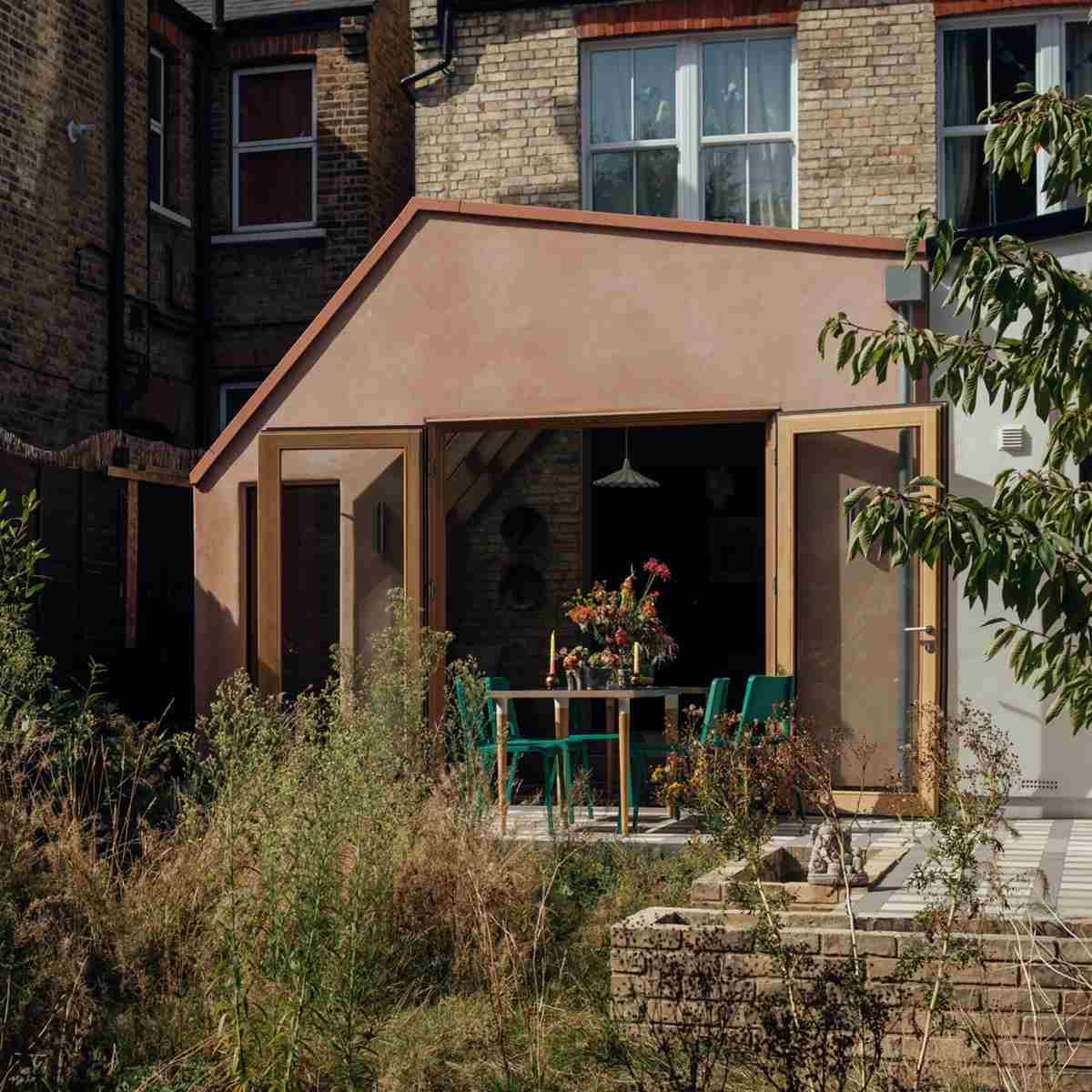
Choosing between timber and aluminium-clad windows is rarely a technical calculation alone. It is a material decision, and material decisions shape how a building feels, how it performs, and how it ages.
The familiar comparison of timber vs aluminium is often too blunt to be useful. In practice, the question is more precise: should the frame remain entirely timber, or should a structural timber core be protected externally by aluminium?
If you want the shortest possible answer, it would be: choose all-timber when you want full material authenticity, the strongest heritage fit, easier refreshability and the best thermal value per pound; choose timber-aluminium composite when you want timber internally, aluminium externally, broader facade colour freedom and a lower-maintenance exterior skin.
At Ecovia, that choice sits most clearly between our two principal systems:
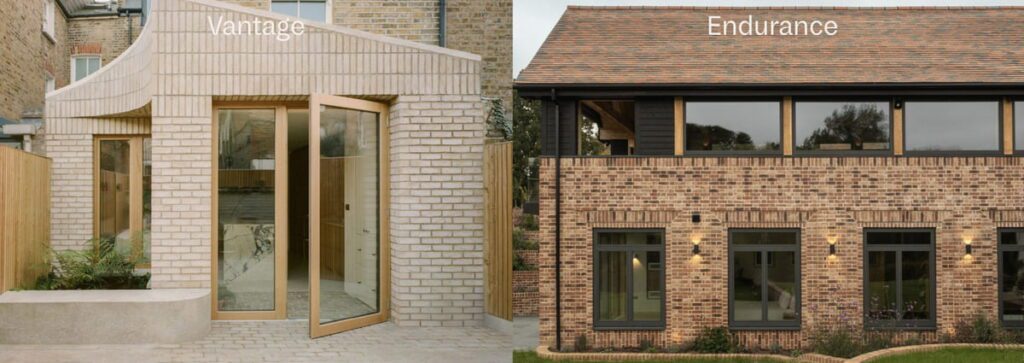
- Vantage, our all-timber range, internally and externally expressed, and
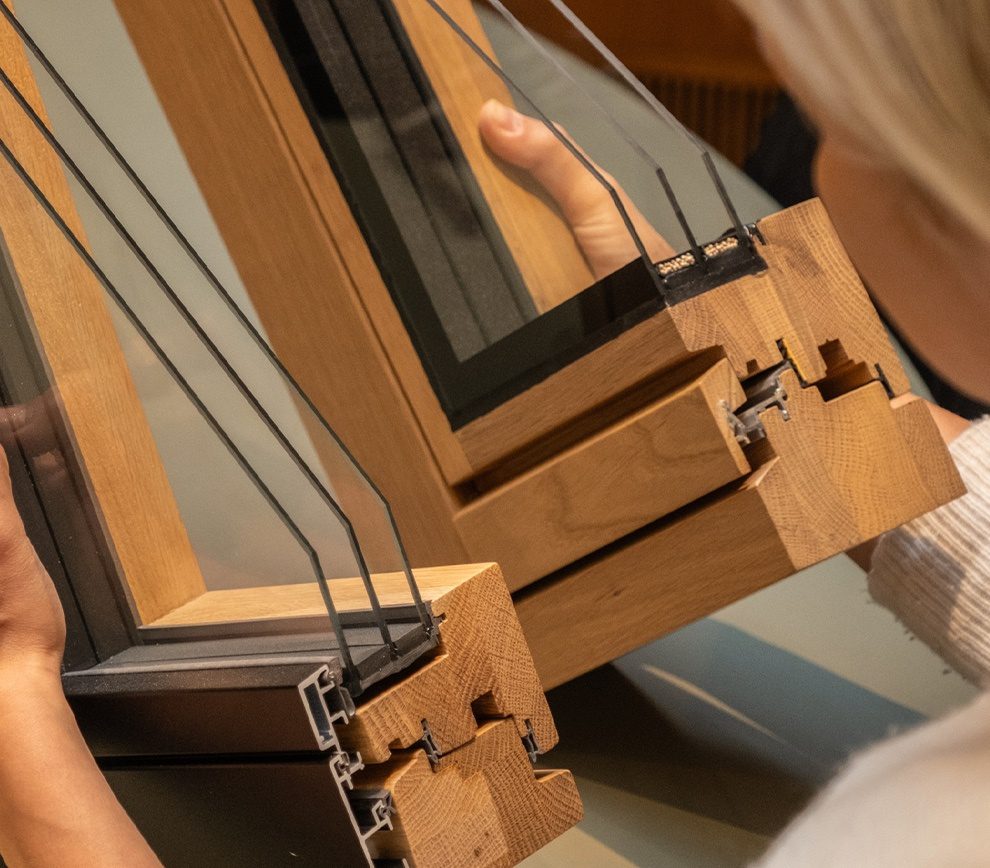
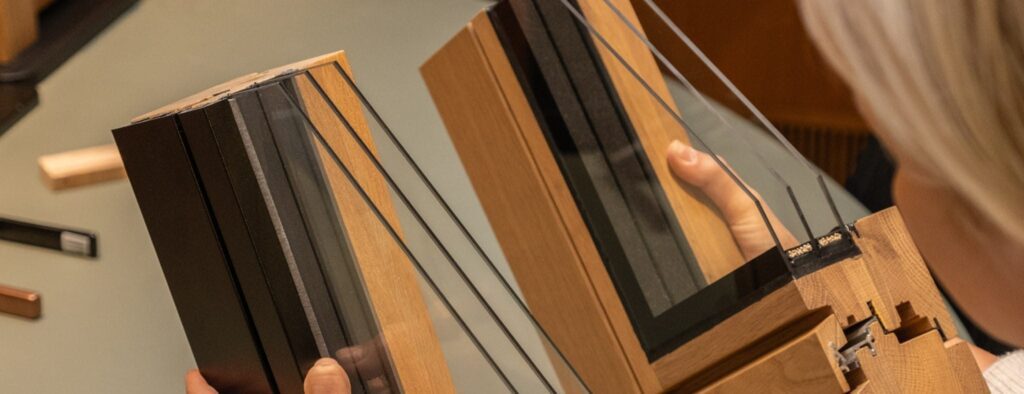
- Endurance, our timber-aluminium range, that combines a laminated timber structure with an aluminium outer shell, both on the sash and the frame, unlike many competitor systems.
Both are engineered around dimensionally stable timber cores. Both can be specified with triple glazing. Both are suitable for low-energy and Passiv-influenced construction. The divergence lies in how the exterior face engages with the building and the weather, and in the architectural consequences that follow.
Table of Contents
Timber vs composite windows at a glance
Below is the practical comparison guide:
| Decision point | All-timber windows | Timber-aluminium composite windows |
| Core construction | Engineered timber throughout | Engineered timber core with aluminium outer shell |
| Best fit visually | Heritage homes, rural settings, natural-material architecture, projects where timber should be seen inside and out | Contemporary homes, urban builds, mixed-material facades, projects wanting timber inside and aluminium outside |
| Maintenance profile | Requires periodic care and recoating over time, but can be refreshed and refinished | Lower exterior maintenance, but not literally maintenance-free |
| Thermal logic | Timber is naturally insulating and often gives the most efficient thermal route for a given spend | Can perform very well, but does not automatically beat full timber simply because it costs more |
| Finish flexibility | High flexibility in stains, paints and future refreshes | Strong external powder-coat freedom with different inside/outside expression |
| Design flexibility | Usually the more adaptable route for bespoke profiling and certain custom details | More constrained by aluminium extrusion families |
| Heritage suitability | Usually the more natural answer | Sometimes workable, but often less authentic visually |
| Contemporary suitability | Excellent when detailed carefully | Often the most straightforward architectural fit |
| Upfront cost | Usually lower than a true timber-aluminium composite | Higher, because you are paying for timber plus aluminium plus more fabrication |
| Whole-life value | Strong if you accept periodic care and want repairability | Strong if reduced exterior upkeep is central to the brief |
This summary also reflects a point we do not think enough such industry comparison guides state clearly enough: the more expensive option is not automatically the better option. In timber windows, value depends on whether the extra material and fabrication complexity actually solve a real design or maintenance problem on your project.
What is the difference between all-timber and alu-clad windows
How Vantage and Endurance are actually built
The clearest way to understand timber vs alu-clad windows is to look at where each material sits in the section. Our Vantage range is fully timber in its expression, and it represents the purest incarnation of our approach: engineered timber, strong thermal performance and a more accessible price point. Our Endurance range is built around the same timber-first logic, but with a robust aluminium exterior shell added around that core.
That distinction matters because an aluminium-clad window is not the same thing as a fully aluminium frame. In a true timber-aluminium composite system, you still retain a structural timber core. That means the comparison is not “wood replaced by metal”. It is more accurately “timber kept, then externally protected and visually transformed by aluminium”. That is why Endurance feels warm on the inside but can sit comfortably beside darker brick, zinc, render, steel and contemporary cladding on the exterior.
We also build both routes around engineered wood, which is exceptionally robust and stable and with limited movement in response to moisture such as warping. That is an important foundation point because poorly informed conversations about timber windows often still assume they behave like old, unstable softwood joinery. Modern engineered timber is a very different proposition.
Not all composite windows are created equally
Not all composite systems are built to the same standard or from the same starting point. Some market offerings use hybrid assemblies that are much closer to adapted timber windows with cladding added on, while others are properly integrated timber-aluminium systems. In our own internal development process, our guiding principle has been: a true composite window should be understood through its actual construction logic.
We also think it is worth saying openly that a timber-aluminium composite window is only as credible as its section design, interface detailing and long-term material compatibility. If the aluminium is essentially decorative, or if cost has been stripped out through crude build-ups and weak interfaces, you are not comparing like with like. That is why we prefer to start the conversation with how the section is composed, not just what the brochure calls it.
Why the inside-outside split matters so much
One reason composite window systems have become more common in higher-end residential architecture is that they let the inside and outside of a building do slightly different jobs. It could be perceived as “the best of both worlds”: timber internally and aluminium externally sit alongside greater freedom over frame finishes and larger glazed openings. Composite allows the facade language to become sharper, darker or more refined externally without making the interior feel metallic.
That duality is often exactly what makes timber-aluminium windows coherent in modern houses. If the project wants a natural, tactile interior but a facade that aligns with contemporary architectural materials, Endurance often becomes the more natural fit. If the project wants honest continuity of timber on both sides of the envelope, Vantage becomes the stronger answer.
Aluminium clad vs timber windows in everyday performance
Appearance, sightlines and architectural style
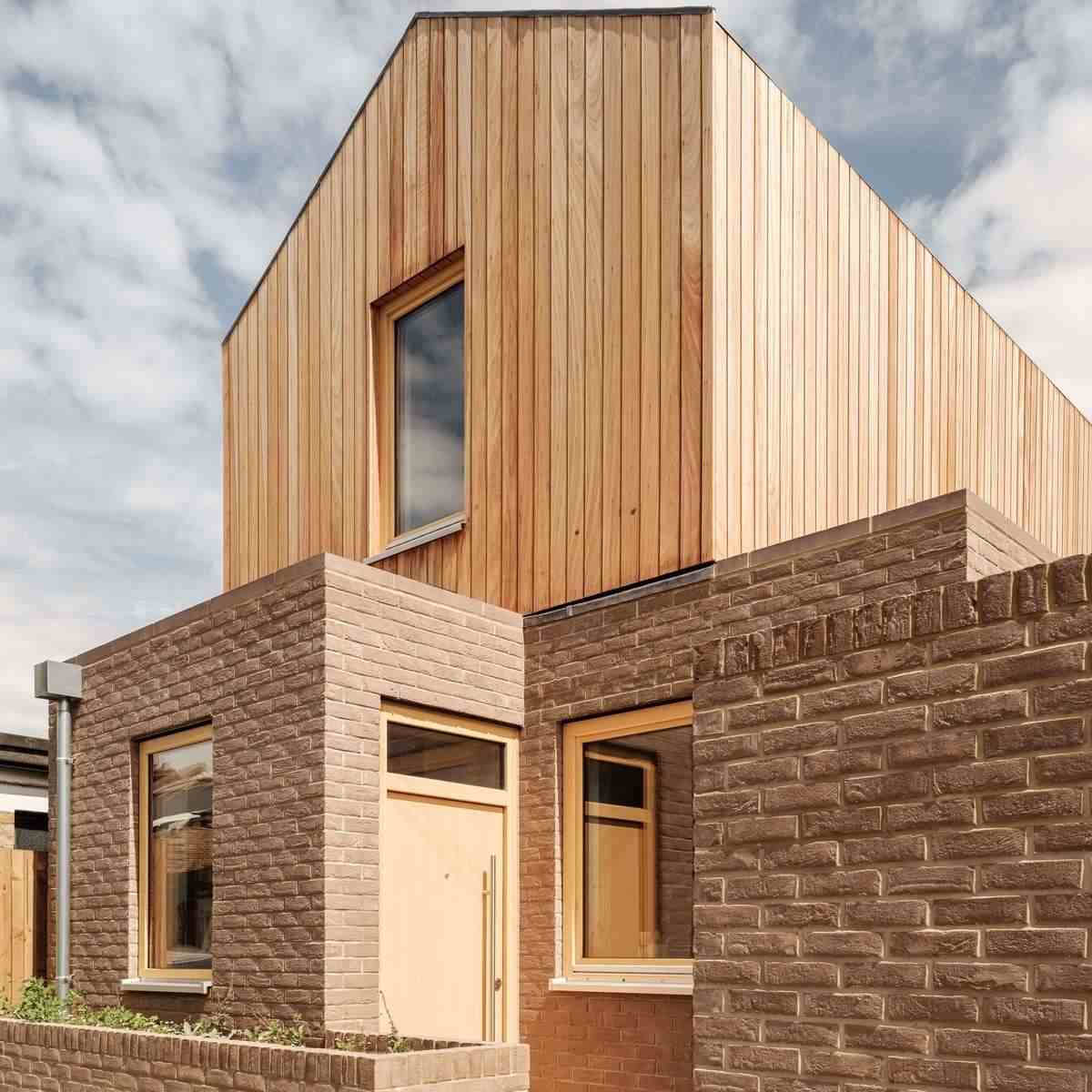
The most immediate difference between aluminium clad vs timber windows is visual. Timber adds warmth, grain, softness and material character. Wood remains especially persuasive in traditional, rustic and heritage settings, where its natural look is often more convincing and more adaptable to painted or stained finishes. Also, in some historic contexts, timber may be the more appropriate answer for preserving architectural character.
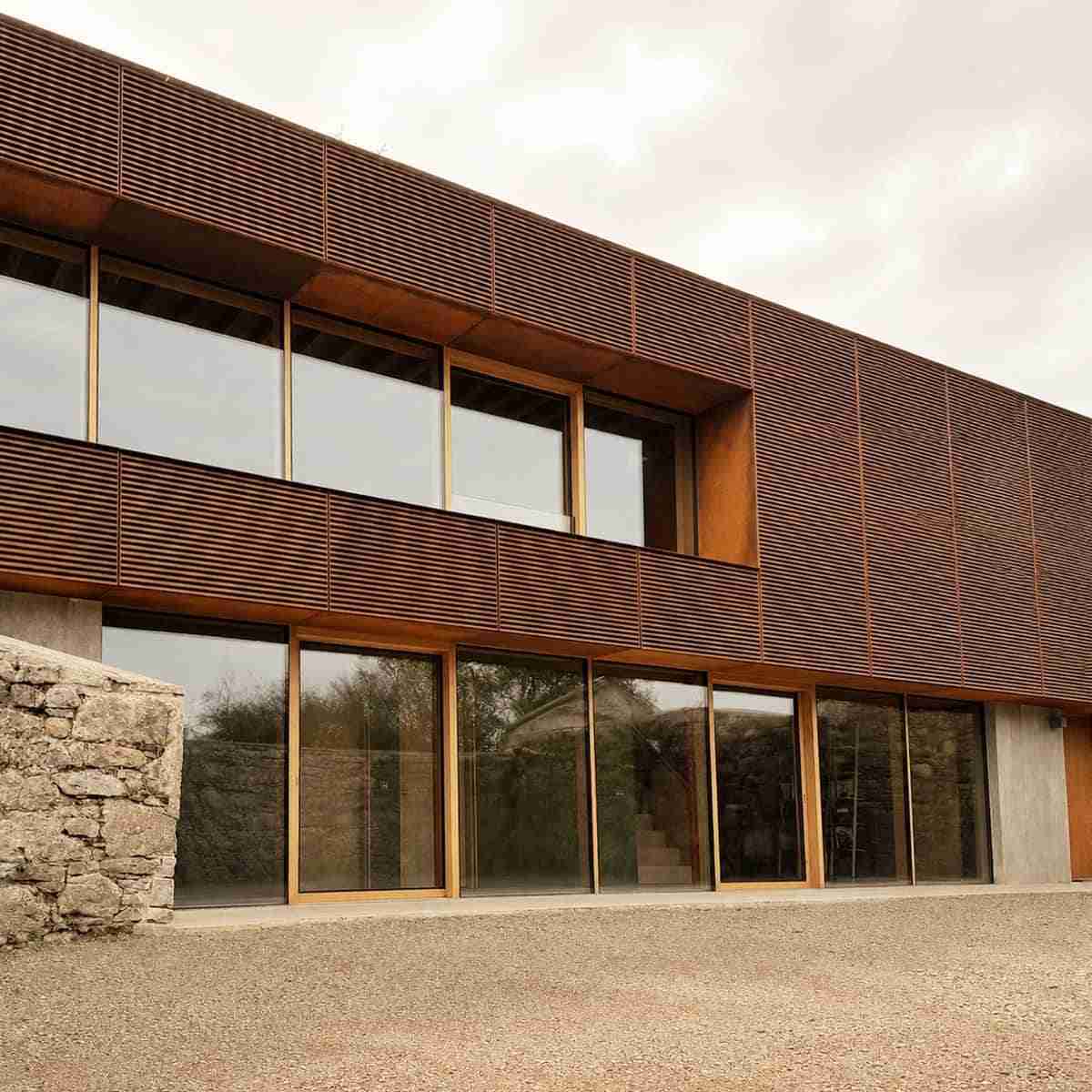
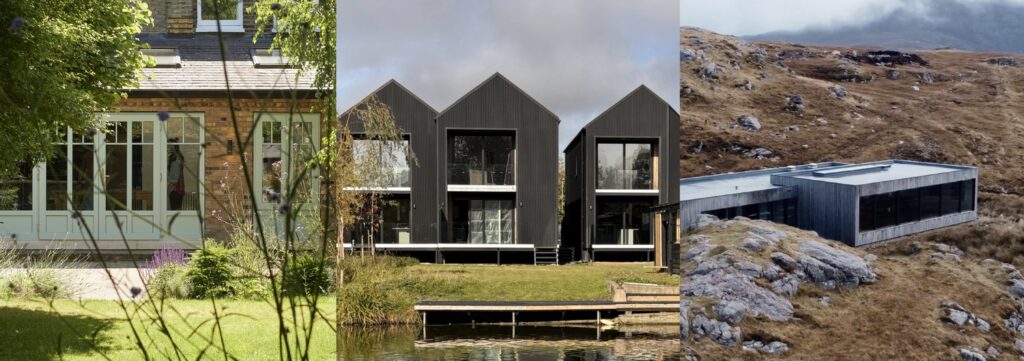
Composite windows, by contrast, are often strongest where a project benefits from a crisper external language. They allow the aluminium shell to be powder-coated in a wide range of finishes such as deep architectural greys, bronzes, muted tones – aligning the façade language with the wider building strategy. Internally, however, the experience remains timber. The warmth, tactility and acoustic softness of wood are retained. This duality of aluminium externally, timber internally offers architectural flexibility that a fully timber system does not inherently provide. Considering all that, composite systems often suit contemporary extensions, urban infill homes and minimalist new builds very well.
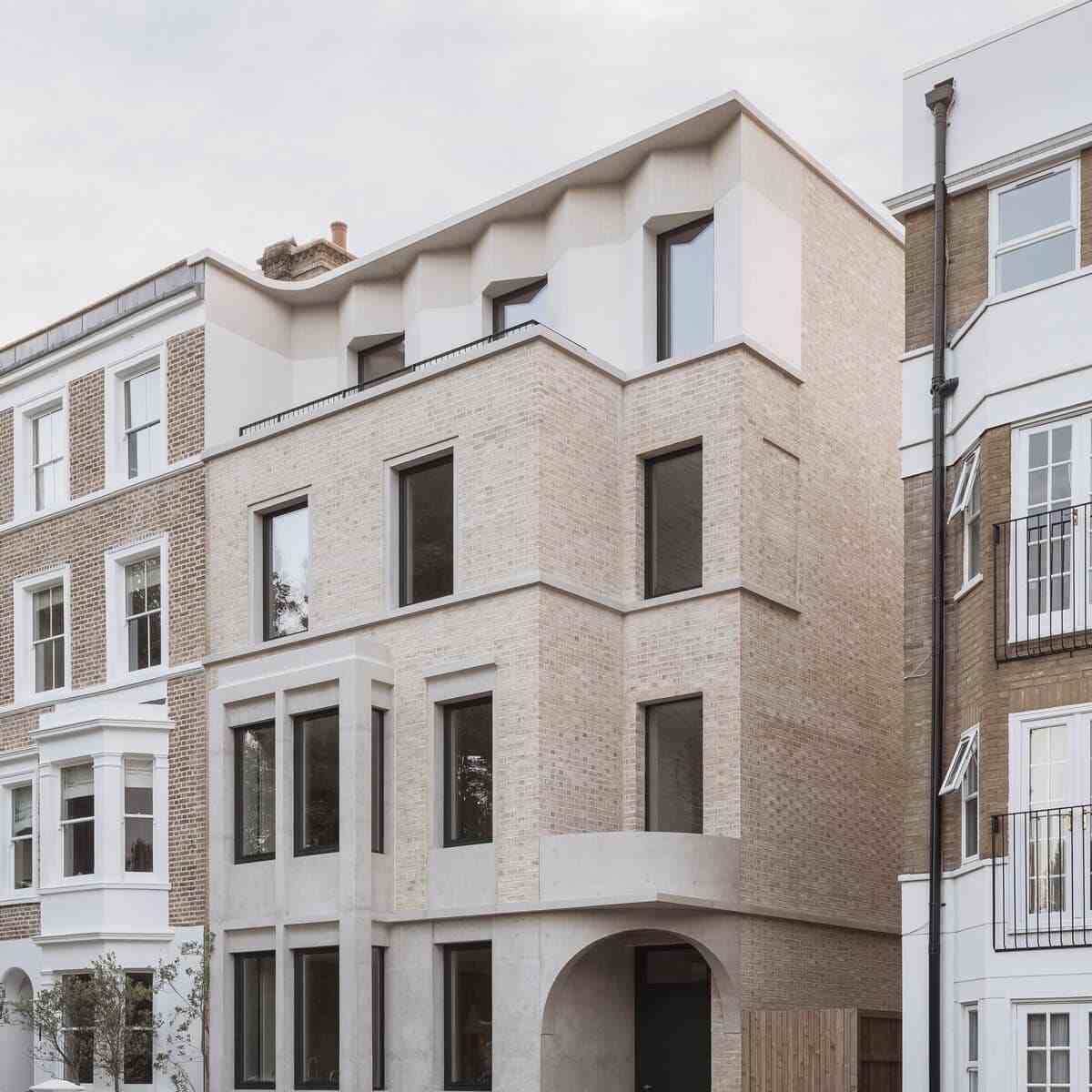
The right question is not “which one looks better”, but “which one looks more right for this house”. For Georgian, Victorian, Arts and Crafts or heavily contextual projects, all-timber often feels more settled and less forced. For contemporary schemes with darker facade palettes or metal-adjacent detailing, alu-clad often resolves the exterior more cleanly.
Maintenance over time and the myth of maintenance-free windows
The often repeated argument in the industry is that aluminium-clad or composite windows are “maintenance-free”. We do not find that phrase helpful and always advise: no window is truly maintenance-free, because hardware still needs checking, surfaces still need cleaning, and long-term performance still depends on care.
Painted timber can often go many years before refresh work is needed, and when refresh time does come, timber can often be brought back with relatively light recoating rather than whole-frame refurbishment. Modern engineered timber is factory-finished under controlled conditions. Recoating cycles depend on exposure and it always gives onward flexibility for colour and finish which is a positive feature of all timber windows.
While aluminium-clad composite reduces external maintenance further, and the aluminium shell does not require repainting, there are no ways to make any aluminium systems truly colourfast. Whilst we give a 10 year guarantee on the integrity of the coating, dark colours particularly will dull with time and UV exposure, especially in very exposed areas or where airborne pollutant concentrations are high.
It is worth noting that window replacement is rarely driven by structural timber failure. Hardware wear, seal degradation, technology change and installation quality often play a greater role. Our high quality mechanisms for both systems mean that both Vantage and Endurance profiles are considered full life products.
Material choice influences maintenance rhythm but not structural lifespan alone.
Thermal performance, U-values and what Part L really means
Timber is naturally low in conductivity. In a fully timber frame such as Vantage, that property extends through the entire section without interruption.
But that does not mean composite windows are weak. It means composite does not automatically outperform all-timber just because aluminium appears somewhere in the system and the price is higher. Aluminium is inherently conductive. In composite construction such as Endurance, the aluminium shell is thermally separated from the interior timber structure to limit heat transfer.
When paired with warm-edge spacers, appropriate low-E coatings and triple glazing where required, both systems achieve performance suitable for contemporary low-energy housing.
Typical UK specifications achieve:
- Double glazing in the region of 1.2-1.4 W/m²K
- Triple glazing in the region of 0.8-1.0 W/m²K
- Passiv-ready profiles below 0.8 W/m²K
In the current UK guidance for new dwellings, the notional specification gives windows and glazed doors with more than 60% glazed area a reference U-value of 1.2 W/m²K. The same document also notes that, to meet the overall target fabric energy efficiency rate, some elements may need to perform significantly better than the limiting standards. In other words, Part L gives you a benchmark, but serious low-energy projects often aim beyond it.
That is why we always advise clients not to compare frame materials in isolation. Whole-window U-value, glazing specification, spacer choice, frame factor, window size, orientation and installation quality all matter. Passive House Institute’s Passipedia gives dedicated attention not only to window requirements, but also to installation-based thermal bridges and window tools more broadly.
Our practical view would be straightforward. If optimising strictly for insulation per pound invested, a fully timber section retains a marginal advantage. In practice, both systems perform at a level aligned with high-performance residential construction.
Acoustic performance and ventilation are part of the same conversation
Acoustic performance is another topic that is often under-served. The most helpful way to present it is this: sound control is a system issue, not just a frame-material issue. Both all-timber and timber-aluminium routes can be specified for stronger acoustic outcomes when the glass package is designed correctly.
But acoustics should never be separated from ventilation and compliance. Approved Document F requires purge ventilation to be capable of providing at least four air changes per hour per room directly to the outside, and where that purge ventilation is delivered through openings such as windows, the minimum opening areas in Table 1.4 apply. For example, hinged or pivot windows opening at more than 30 degrees need a minimum total opening area of 1/20 of the floor area of the room, while openings limited to 15 to 30 degrees need 1/10 of the floor area.
Part F also matters when you are replacing windows. The guidance says replacement windows are likely to increase airtightness, and where there is no MVHR strategy covering the issue, ventilation provision must not end up worse than it was before. The document gives indicative minimum background ventilator equivalent areas for many replacement scenarios, including 8,000 mm² in habitable rooms and kitchens and 4,000 mm² in bathrooms.
That is why we never like reducing the discussion to “which frame is warmer”. The better question is, “how will this whole window package perform once it is installed and once the room still has to breathe properly”. That is the level at which good specification decisions get made.
Sustainability, embodied carbon and responsible sourcing
A timber-first window discussion should always include timber origin, species choice and long-term durability strategy, not just aesthetics. We source from sustainably managed forests as close to the factories as possible and also highlight Accoya as fast-growing, sustainable and exceptionally durable.
Finished timber typically carries lower lifetime embodied energy than composite windows, and timber is the lower-carbon and more renewable choice compared with more heavily processed alternatives. Nevertheless, composite systems still have sustainability arguments of their own: both timber and aluminium are recyclable, and the lower-maintenance outer shell can reduce intervention frequency over the life of the building.
So the sustainable choice is not determined by a single statement. In practice, we would assess sustainability through at least five questions: what timber is being used, how it is sourced, how long the system is expected to last, how repairable it is, and how much maintenance or replacement activity the design is likely to trigger over decades. On those terms, all-timber often has the cleaner embodied-material story, while well-made composite can still be a rational long-life choice where exposure, access or facade demands make the aluminium outer skin genuinely useful.
Coastal and exposed environments are a specification question, not a slogan
Regarding coastal performance, some industry voices caution that aluminium cladding is not automatically the easy answer in salty environments and emphasise that surface degradation and corrosion risk still need to be considered. We take this in to account and have a range of options and are experienced in providing products for harsh coastal and marine environments.
The common ground between those views is this: coastal specification is about detailing, coatings, drainage, maintenance access, exposure severity and correct material use. We would not choose Endurance for a marine project simply because it has aluminium on the outside, and we would not reject Vantage simply because it is timber. We would look at the exact site conditions and build the specification accordingly.
Modified timber such as Accoya performs exceptionally well in exposed settings when correctly detailed.
Aluminium also performs strongly, provided mitred corners and cut edges are properly sealed, often requiring additional welding and hence more cost.
Both systems therefore can be specified successfully for coastal projects. The decision rests less on survivability and more on finish preference and maintenance philosophy.
Are composite windows worth the extra cost
When the extra cost makes clear sense
The extra cost of timber-aluminium composite windows becomes easier to justify when the architecture genuinely benefits from an inside-outside split. If the facade wants powder-coated aluminium expression but the interior still wants visible timber, composite solves a real design problem. If the external elevations are difficult to access, very exposed, or part of a project where repaint cycles would be burdensome, composite can also make financial sense over time.
Composite also makes more sense when you want a sharper contemporary outer finish but do not want to live with cold metal internally. That is one of the reasons the timber-aluminium system has become so common on modern UK projects. The aluminium-clad outer face aligns with a contemporary facade, while the internal timber helps preserve warmth and material character.
When all-timber is the smarter buy
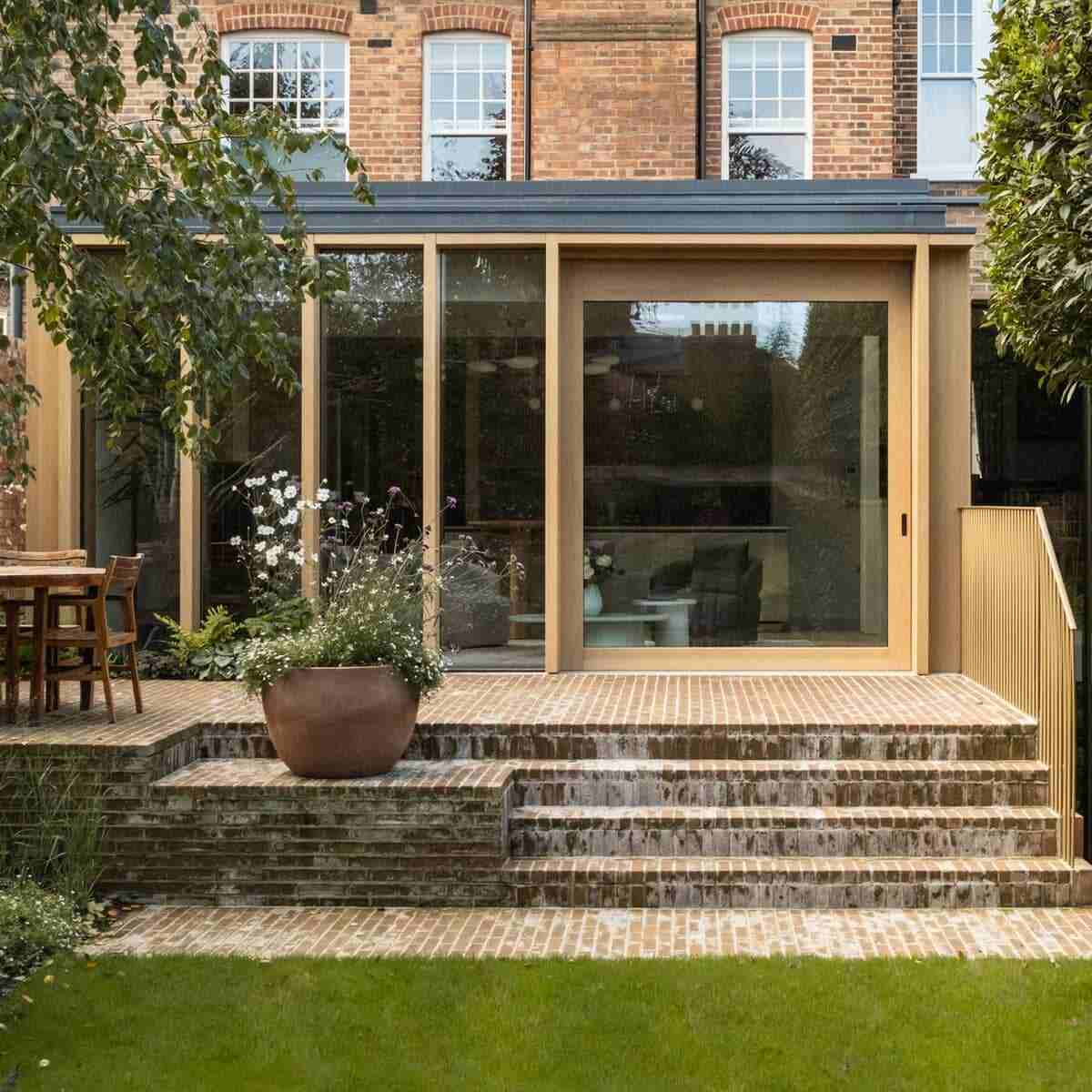
If the project already wants timber inside and out, the answer is clear. In those cases, an all-timber system often gives you the more coherent answer, because you are not paying for an extra material you do not need. Heritage-style projects with glazing bars, conservation-minded renovations, natural-material homes and certain rural builds often fall into that category. Timber generally remains the more natural match for traditional architecture, and our own Vantage range is where we point clients when they want the purest timber-first expression and the best thermal story within our product family.
There is another benefit too: all-timber often remains the better route when bespoke profiling, subtle modifications or future refinishing flexibility matter more than a maintenance-light outer skin. Composite systems are governed more tightly by aluminium extrusion families, whereas timber gives greater machining freedom.
Whole-life cost matters more than ticket price
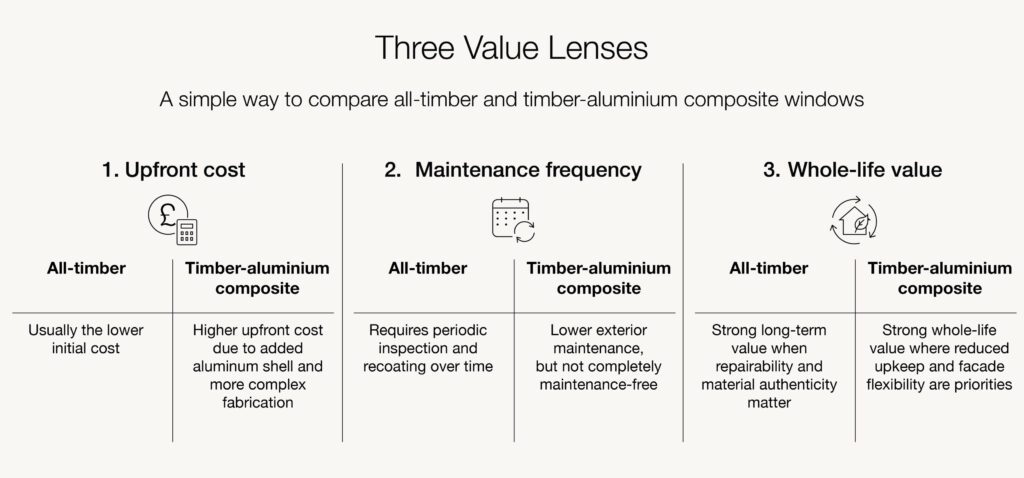
A good rule here is to compare upfront cost, maintenance rhythm and ownership horizon together. This is a long-term value question rather than a pure purchase-price question. If you plan to stay in the home for years and are comfortable with periodic care, the financial case for all-timber can be stronger than a simple quote comparison suggests. If you want to minimise exterior intervention as much as possible, composite may prove the better whole-life decision.
Which window type is best for your project
The project-based matrix for timber vs composite windows is best presented below:
| Project type | Usually the better fit | Why |
|---|---|---|
| Heritage renovation or period home | Vantage all-timber | Stronger historical authenticity, visible timber inside and out, easier alignment with traditional detailing such as georgian bars |
| Contemporary extension or minimalist new build | Endurance timber-aluminium | Cleaner external expression, broader outside finish freedom, timber warmth retained internally |
| Low-energy family home | Either, depending on full specification | Both can work well; focus on whole-window U-value, glazing, visual characteristics and installation quality |
| Passive House-led or PHPP-driven thinking | Often Vantage first, unless facade demands say otherwise | Timber has the cleaner insulating story, but installed performance and thermal-bridge control matter just as much |
| Coastal or highly exposed plot | Case by case | Exposure severity, coatings, species, drainage and access matter more than a simple “timber vs clad” label |
| Budget-sensitive project | Vantage more often | All-timber usually avoids paying for an extra outer shell you may not need |
| Hard-to-access upper elevations | Endurance more often | Reduced exterior repaint burden can justify the premium |
| Homeowner who wants maximum future refinishing flexibility | Vantage | Timber remains easier to refresh and refurbish over time |
Talk to us about the right specification
The best choice is not the one with the strongest sales claim, but the one whose material logic matches your project. We would not push Endurance onto a house that genuinely wants timber honesty on every face, and we would not push Vantage onto a build that clearly wants aluminium expression externally and reduced exterior upkeep.
When we compare timber vs timber-aluminium composite windows, we start with architecture first, then maintenance appetite, then performance targets, then whole-life value. That is usually the sequence that produces the most confident outcome. If your project is torn between the warmth and authenticity of all-timber and the lower-maintenance flexibility of alu-clad, we would strongly recommend comparing actual frame sections, finish samples, opening types and site conditions.
For many projects, the decision ends up being simpler than it first appears. If you want pure timber, stronger heritage alignment and cleaner thermal logic, we would steer you toward Vantage. If you want timber inside, aluminium outside, stronger facade flexibility and reduced exterior upkeep, we would steer you toward Endurance.
If you are currently specifying windows or sliding doors for a new build or renovation, we welcome a detailed technical conversation. Suitability, not hierarchy, should determine the right choice and we’re here to help you work through the nuances and discover what is right for your project.
FAQs about differences between timber and alu-clad windows
Are composite windows better than timber windows?
Not in any universal sense. Composite windows are better for some briefs and worse for others. They are often better when you want a low-maintenance aluminium exterior and a timber interior, especially on contemporary homes or harder-to-access elevations. Timber is often better when you want full material authenticity, easier future refreshability, stronger heritage suitability and the cleanest thermal story from the frame material itself.
Do aluminium-clad windows last longer than timber windows?
They can reduce the maintenance burden on the exterior face, but longevity is not just about cladding. No window is maintenance-free. In practice, lifespan is shaped by materials, joinery quality, coatings, hardware, installation and exposure conditions working together.
Are timber windows more energy efficient than composite windows?
All-timber often starts with a material advantage because wood is naturally insulating, and we describe Vantage as having our best thermal performance. But that does not mean composite performs poorly. Once you move to real projects, glazing specification, spacer bars, airtightness details, installation quality and overall whole-window performance matter as much as frame material.
What U-value should I be targeting?
For a current England regulatory benchmark, Approved Document L’s notional new-dwelling specification gives 1.2 W/m²K for windows and glazed doors with more than 60% glazed area. That is a very useful reference point, but it should not be confused with an ideal target for every project. Better-than-notional performance is often needed on more demanding low-energy and Passive House-led schemes.
If I replace old windows, do I also need to think about ventilation?
Yes. Approved Document F is very clear that replacement windows can increase airtightness, and where ventilation is not addressed mechanically, the dwelling may need background ventilators or another strategy so that ventilation provision is no worse than before. Purge ventilation opening sizes also need thought, especially in bedrooms and main living spaces.
Are composite windows worth the extra cost for every house?
No. They are worth the extra cost when the aluminium exterior solves a real problem for you: lower exterior upkeep, a more suitable facade finish, difficult access, or a genuine need for internal and external finishes to diverge. If you already want visible timber outside and are comfortable with periodic maintenance, all-timber often represents the more proportionate spend.
Do timber windows always require a lot of maintenance?
Not in the way many people assume. Timber does require ongoing care, but modern factory-finished engineered timber is very different from old assumptions about unstable softwood joinery. Painted timber can often go years before refresh work is needed, and our own finishing process is designed around durable, easy-to-maintain surfaces.
Are composite windows more sustainable than timber windows?
Usually the all-timber route has the cleaner embodied-material story because timber is renewable and, when responsibly sourced, can carry lower lifetime embodied energy than more materially complex systems. Composite still has sustainability arguments in the right context because it retains timber, uses recyclable aluminium and may reduce maintenance interventions. Sustainability depends on sourcing, lifespan, repairability and use-case, not just the category name.
Which is better for a heritage property: alu-clad or timber?
In most heritage situations, timber is the safer and more natural answer. It is visually more authentic, more flexible aesthetically, and more likely to sit comfortably with period proportions and planning expectations. There may be edge cases where alu-clad can be accepted, but if preserving original character is central to the project, all-timber usually leads.
Which is better for a contemporary new build: timber or timber-aluminium?
This is where timber-aluminium often comes into its own. Contemporary facades frequently benefit from darker, more precise, lower-maintenance external finishes, while interiors still gain from the warmth of timber. That is exactly the niche Endurance is designed to fill.