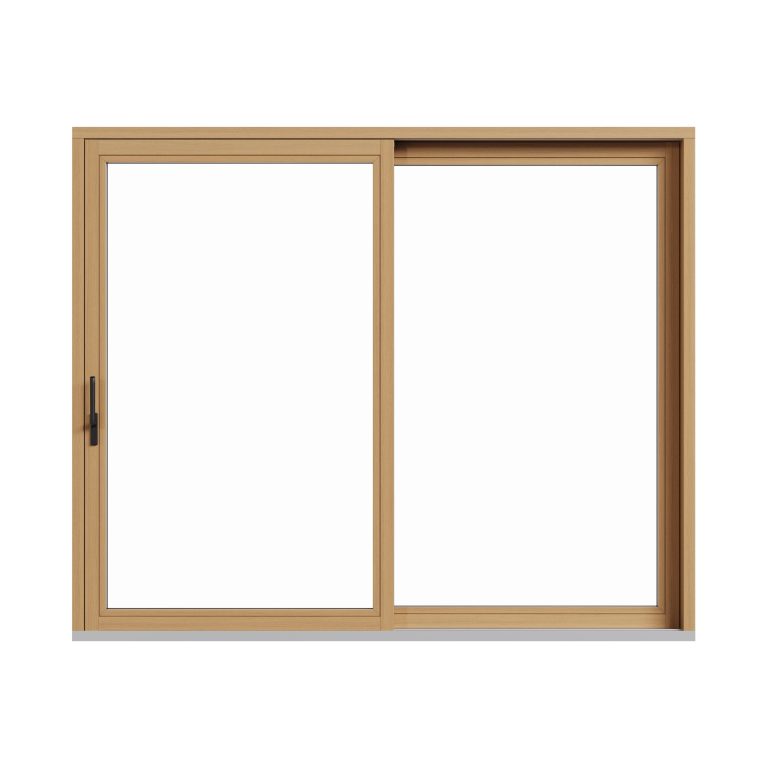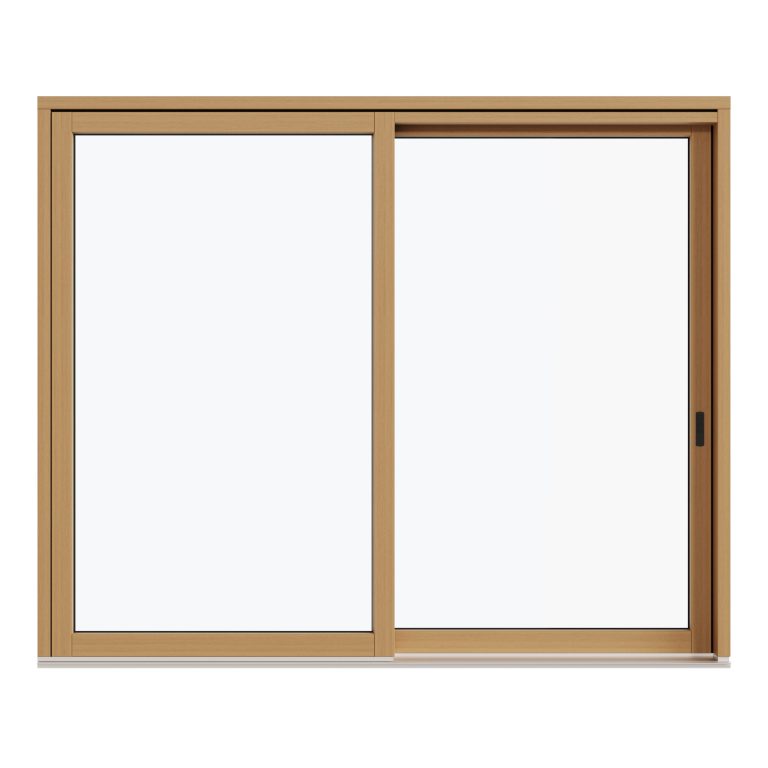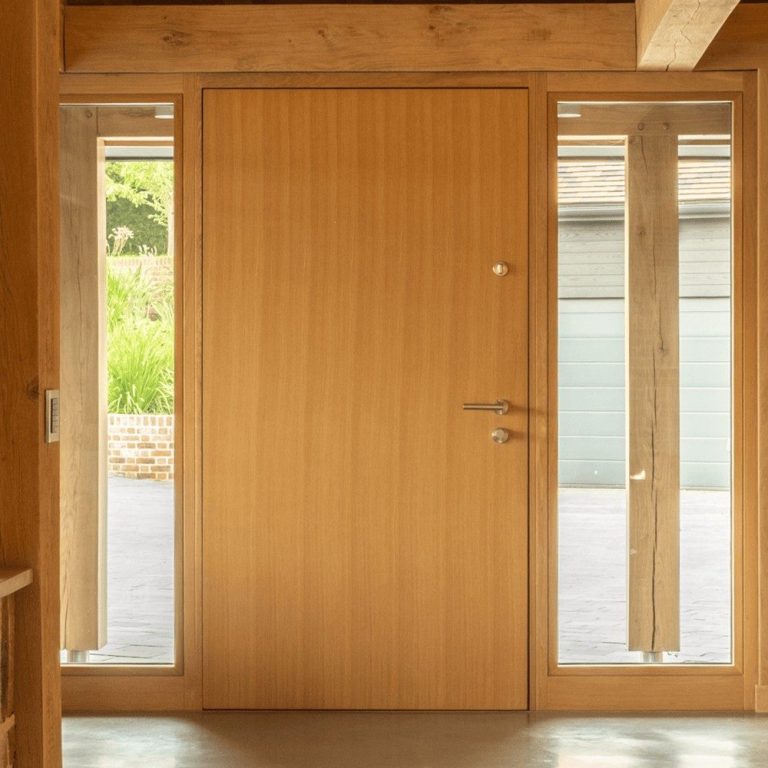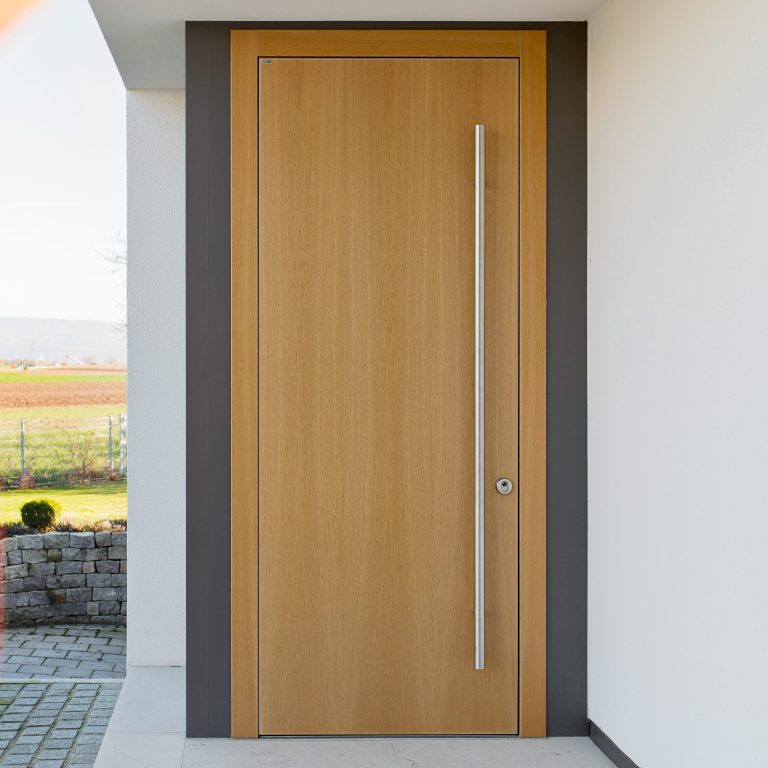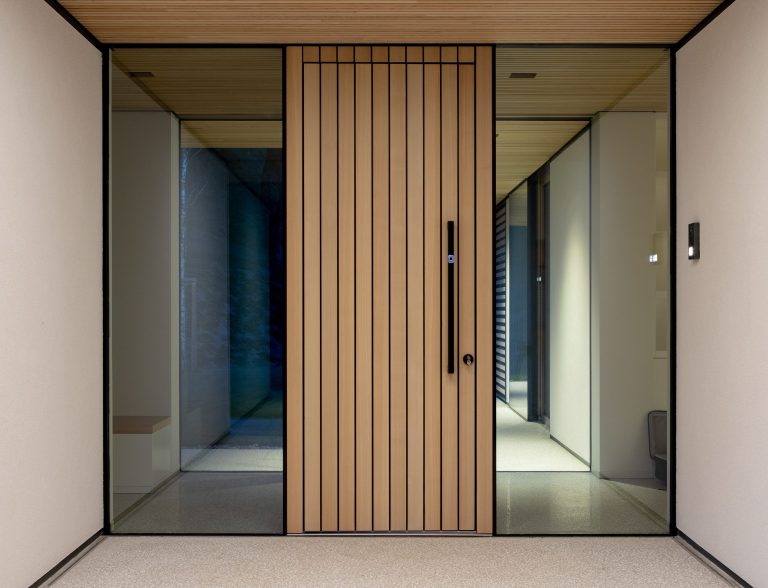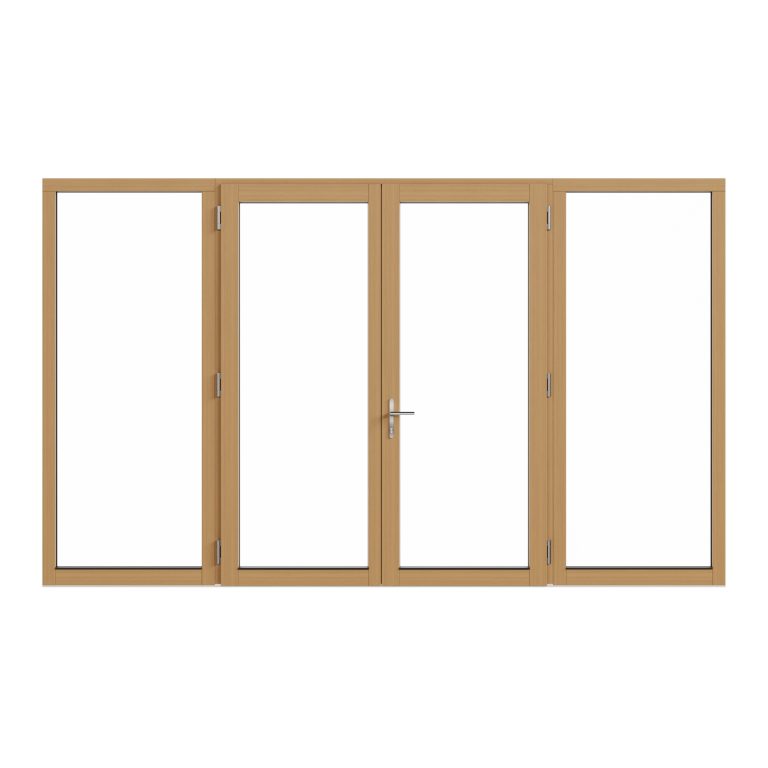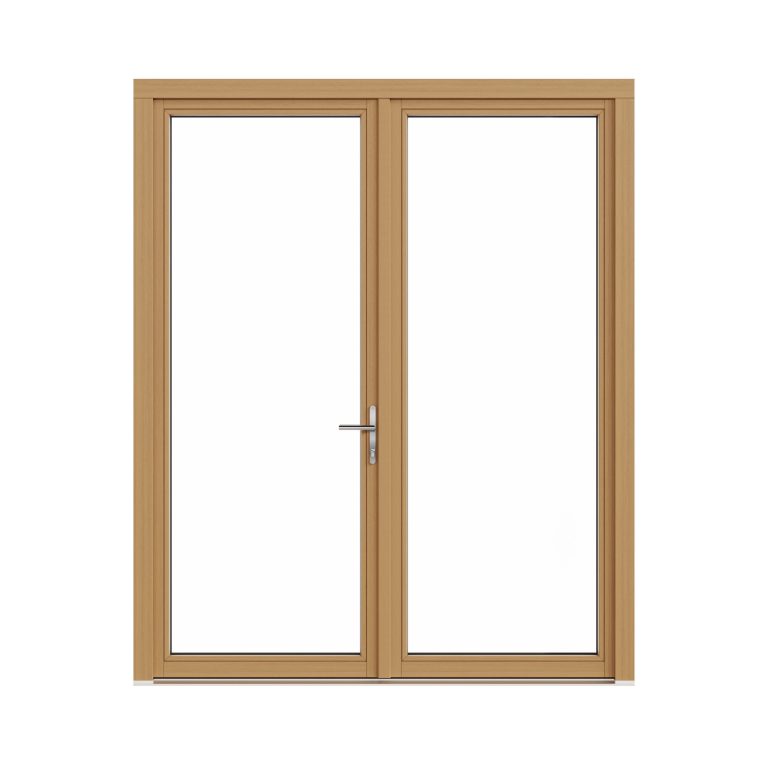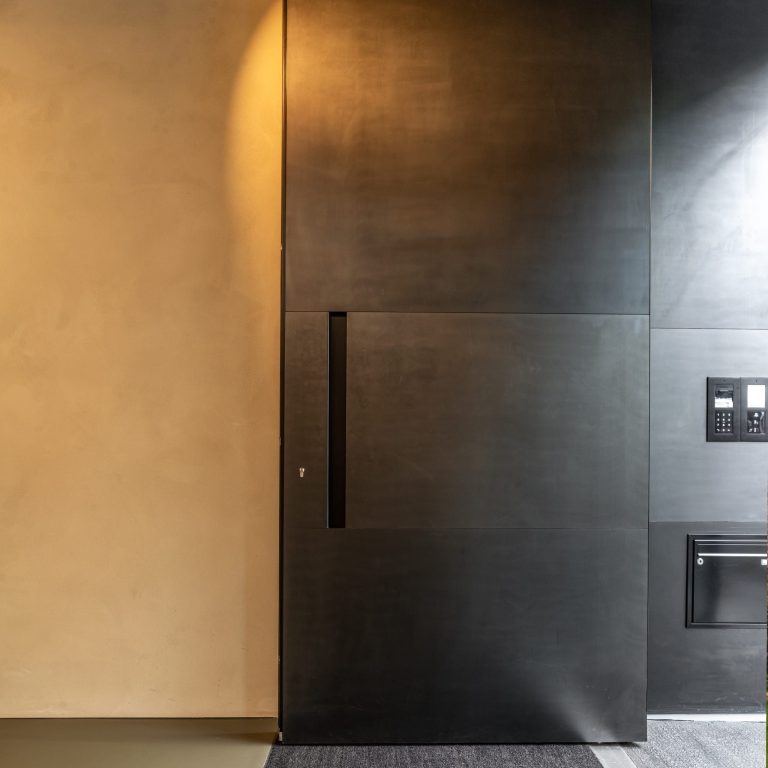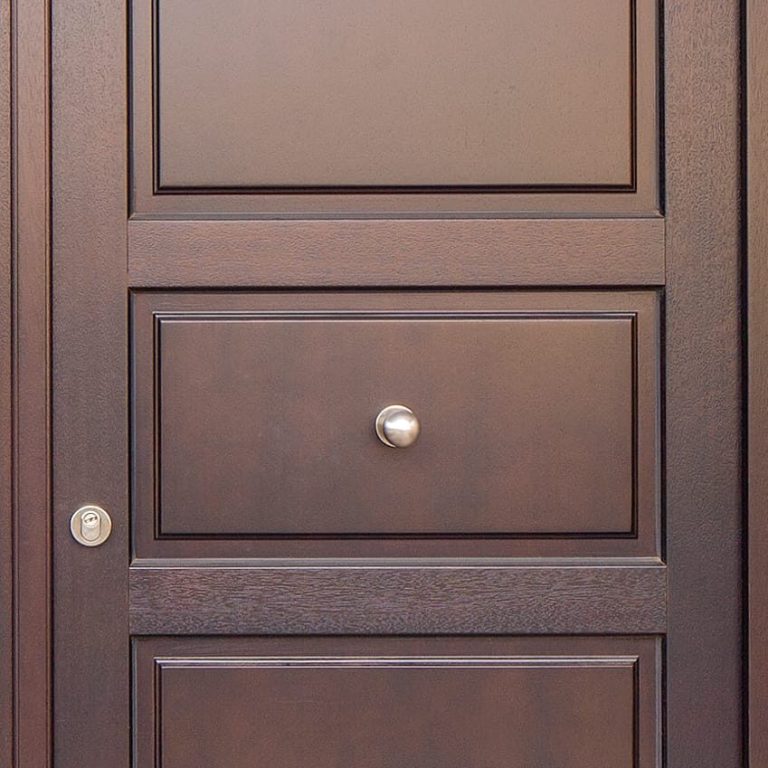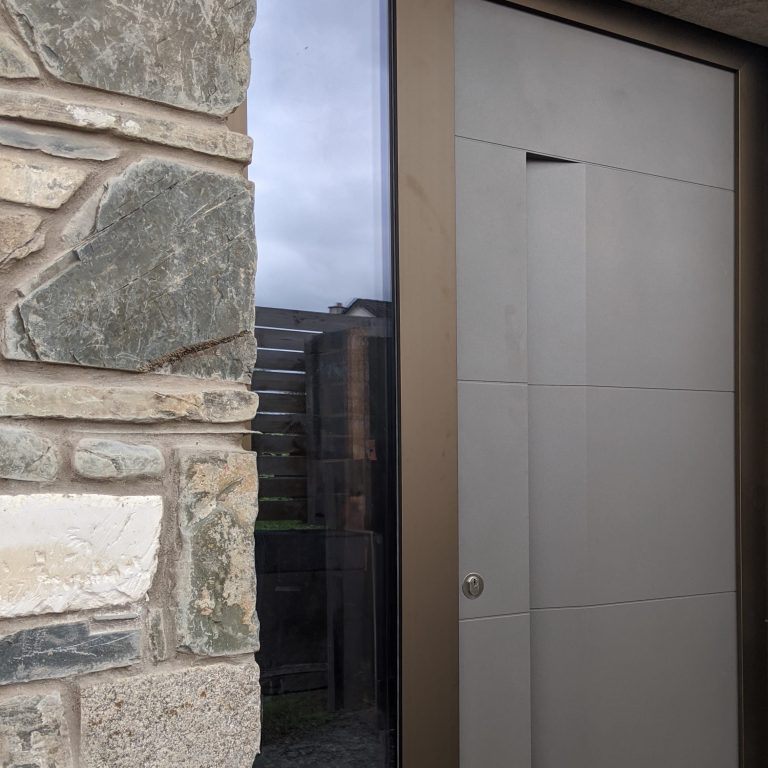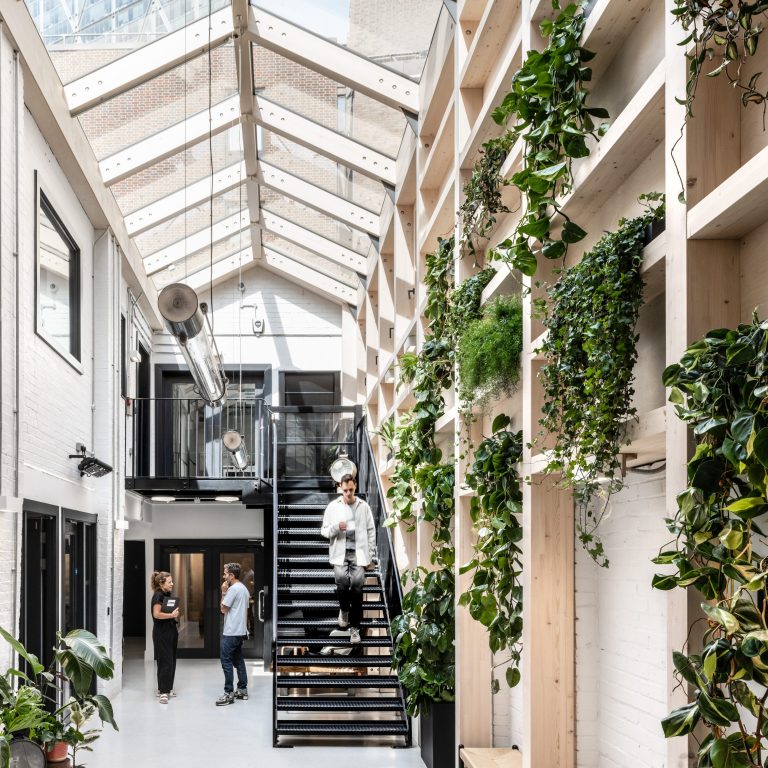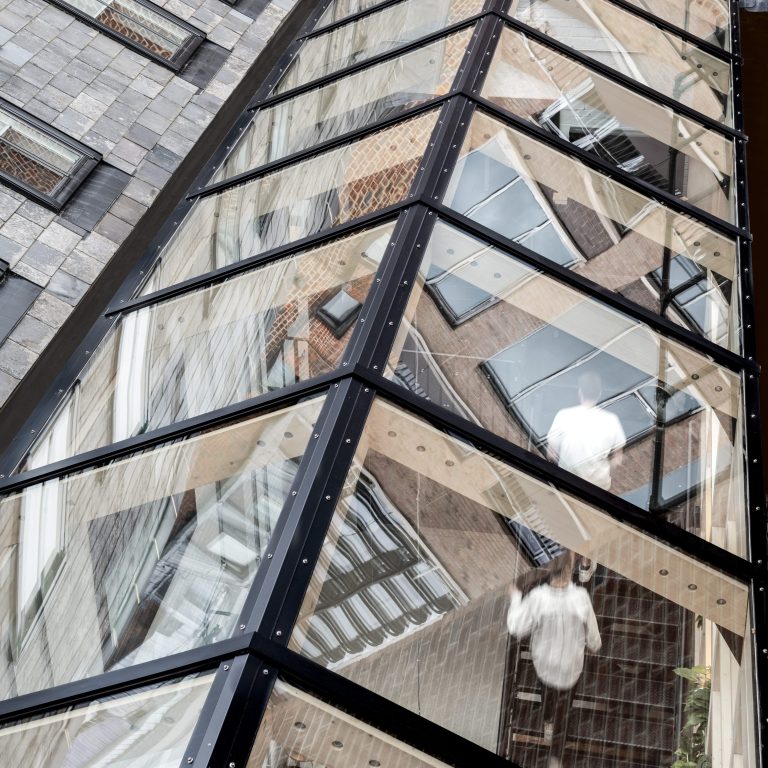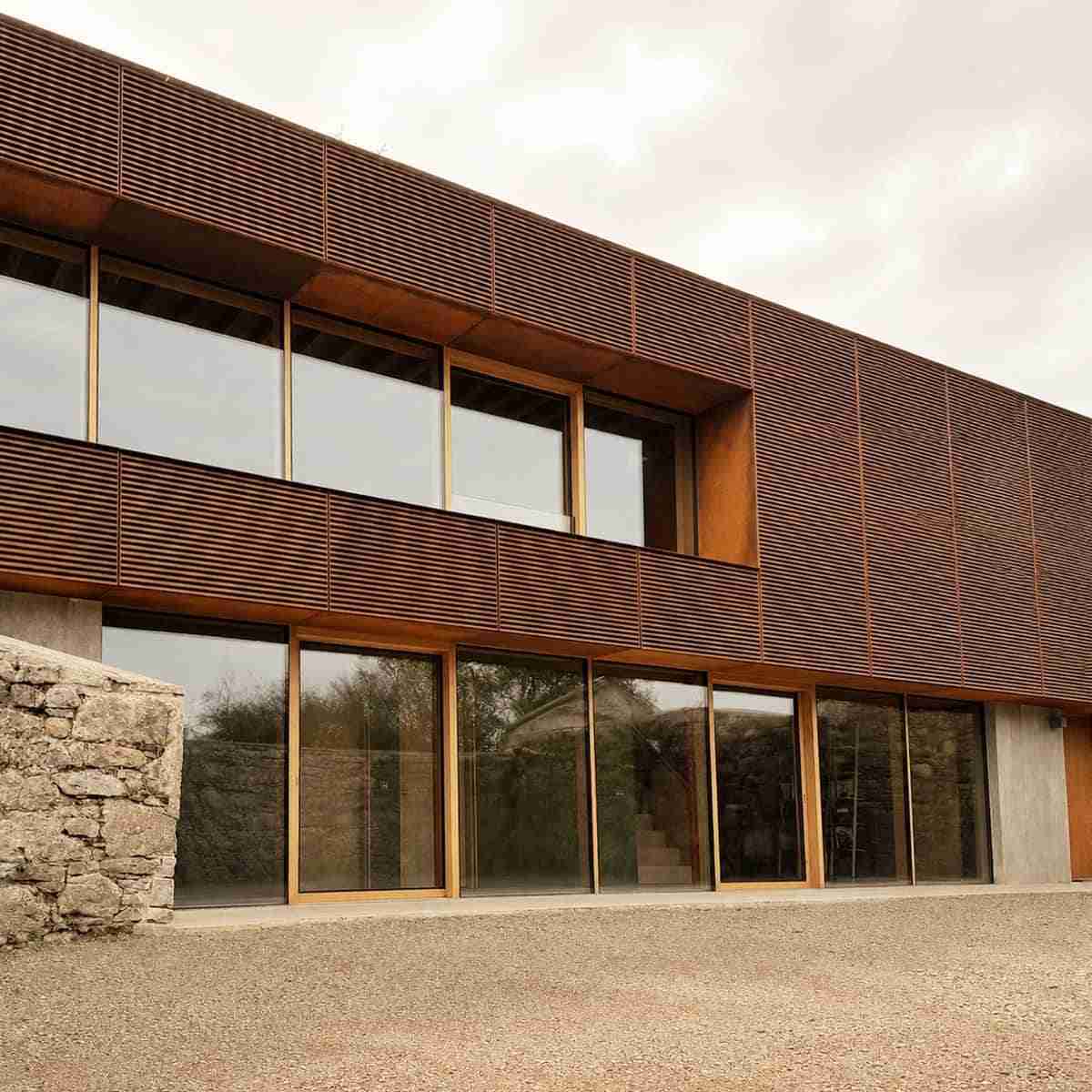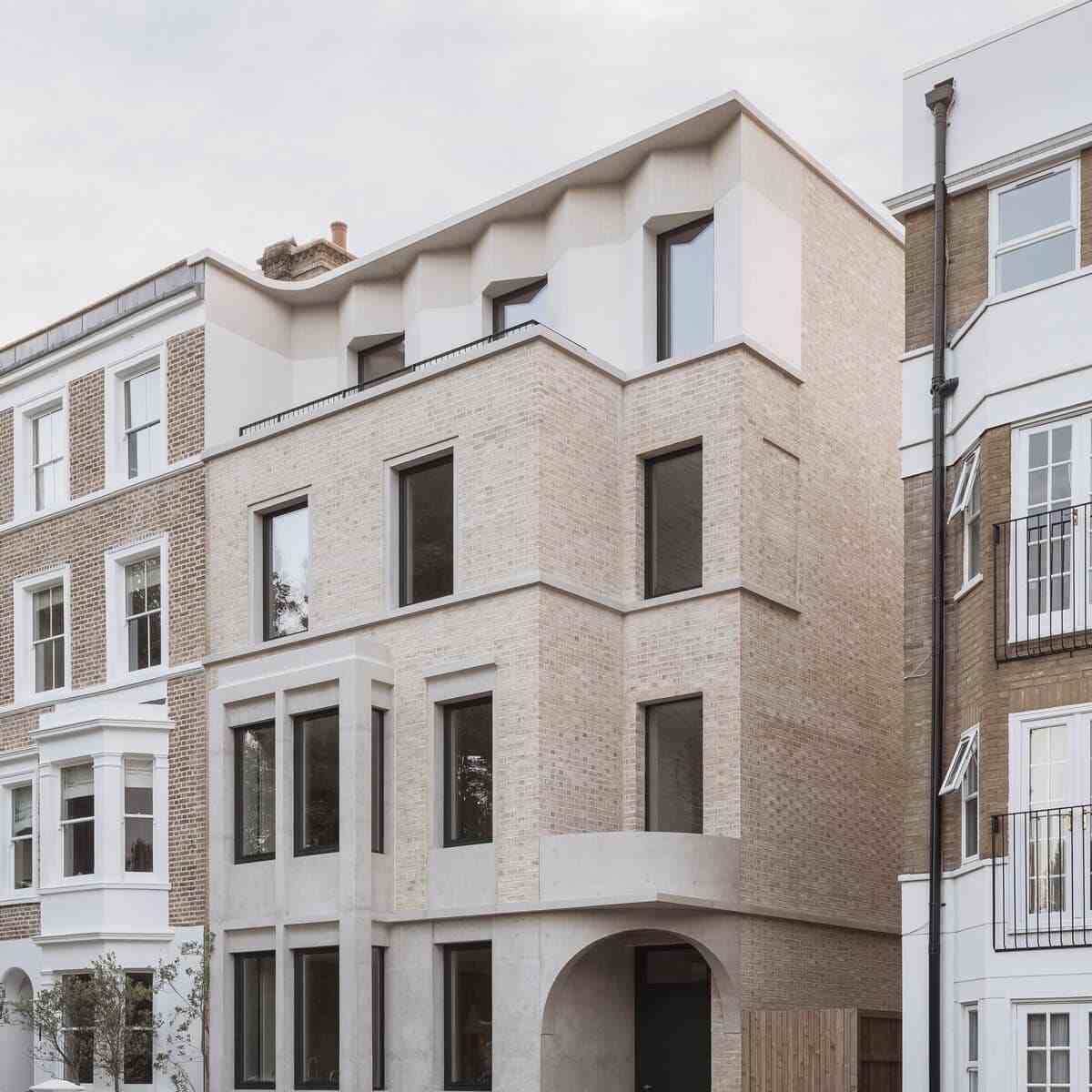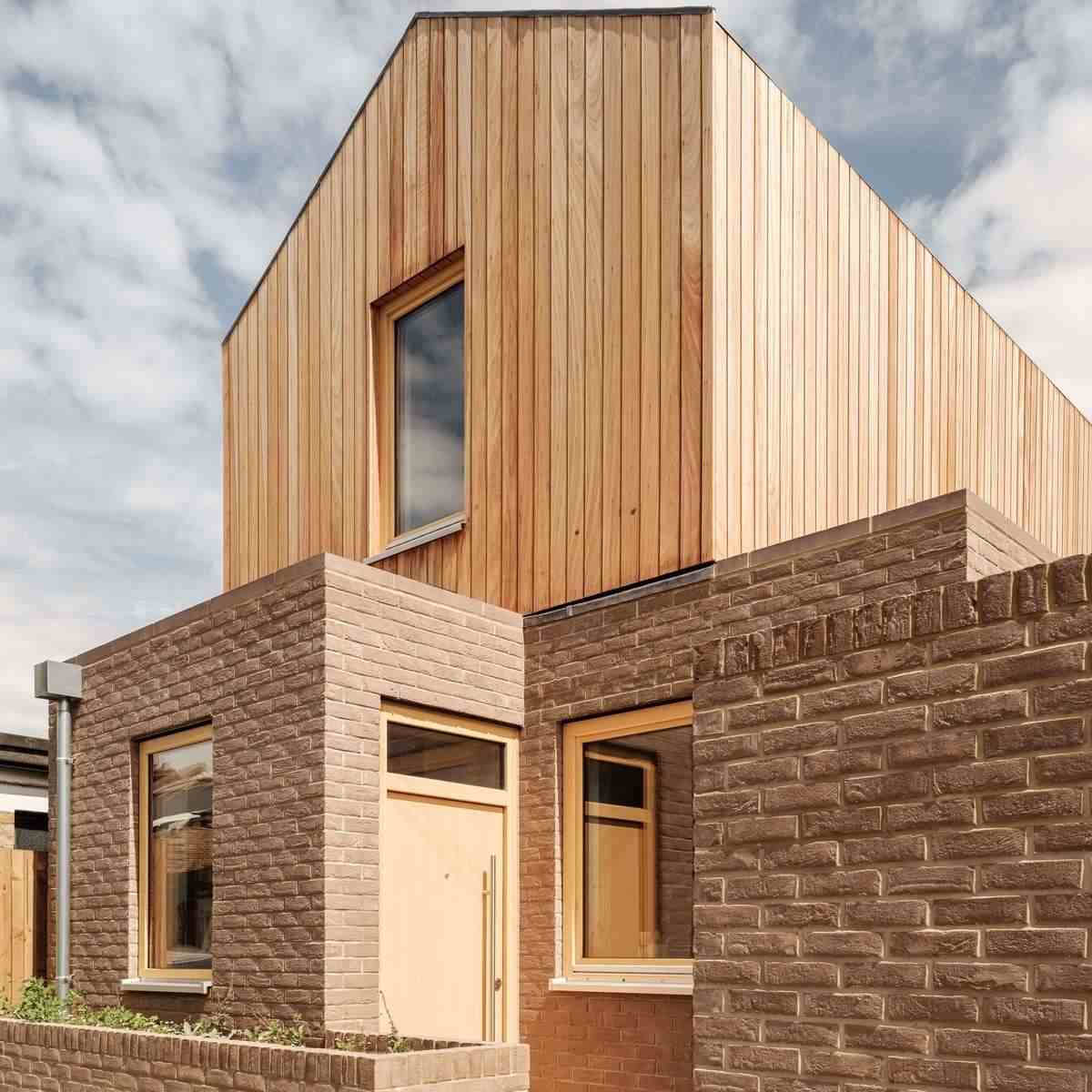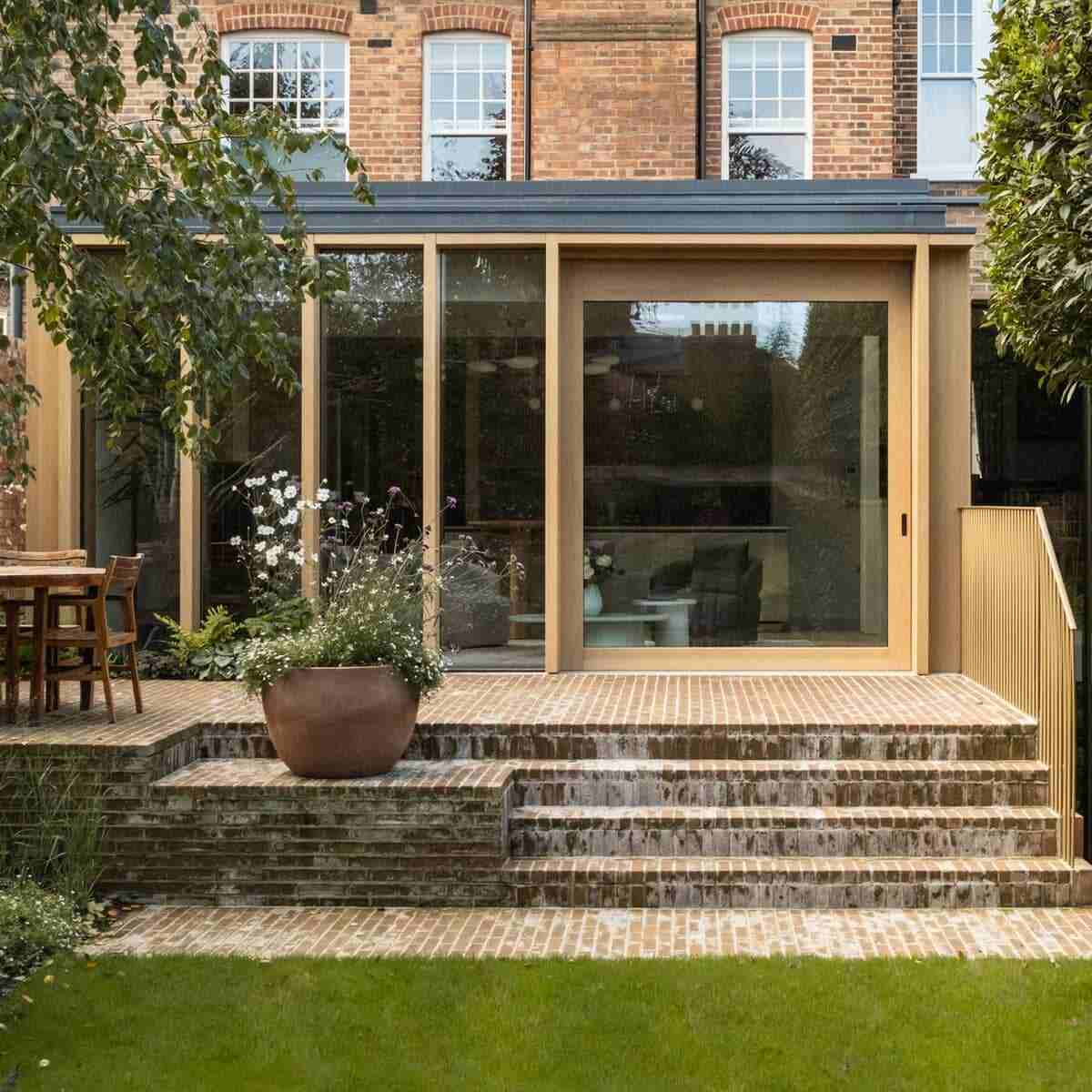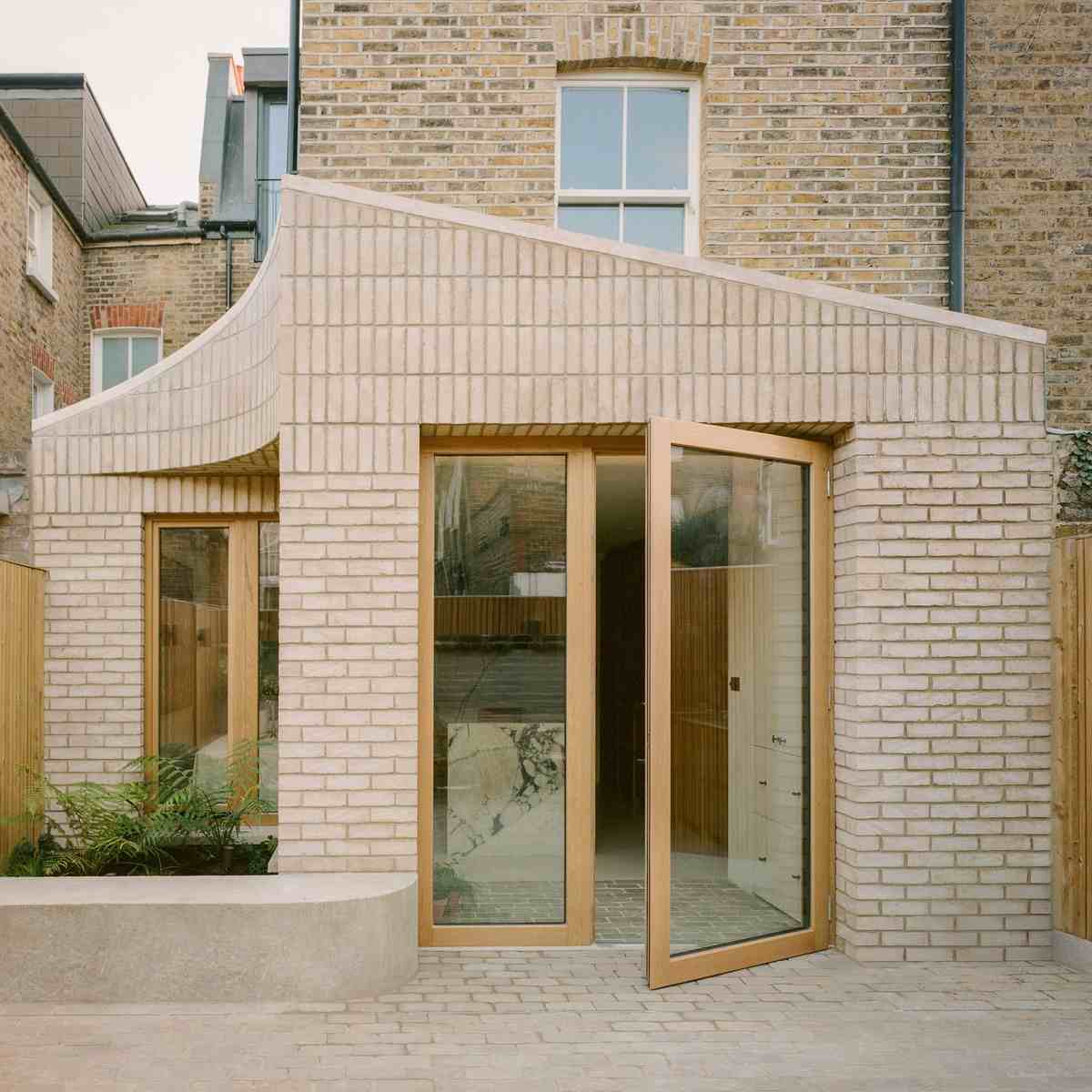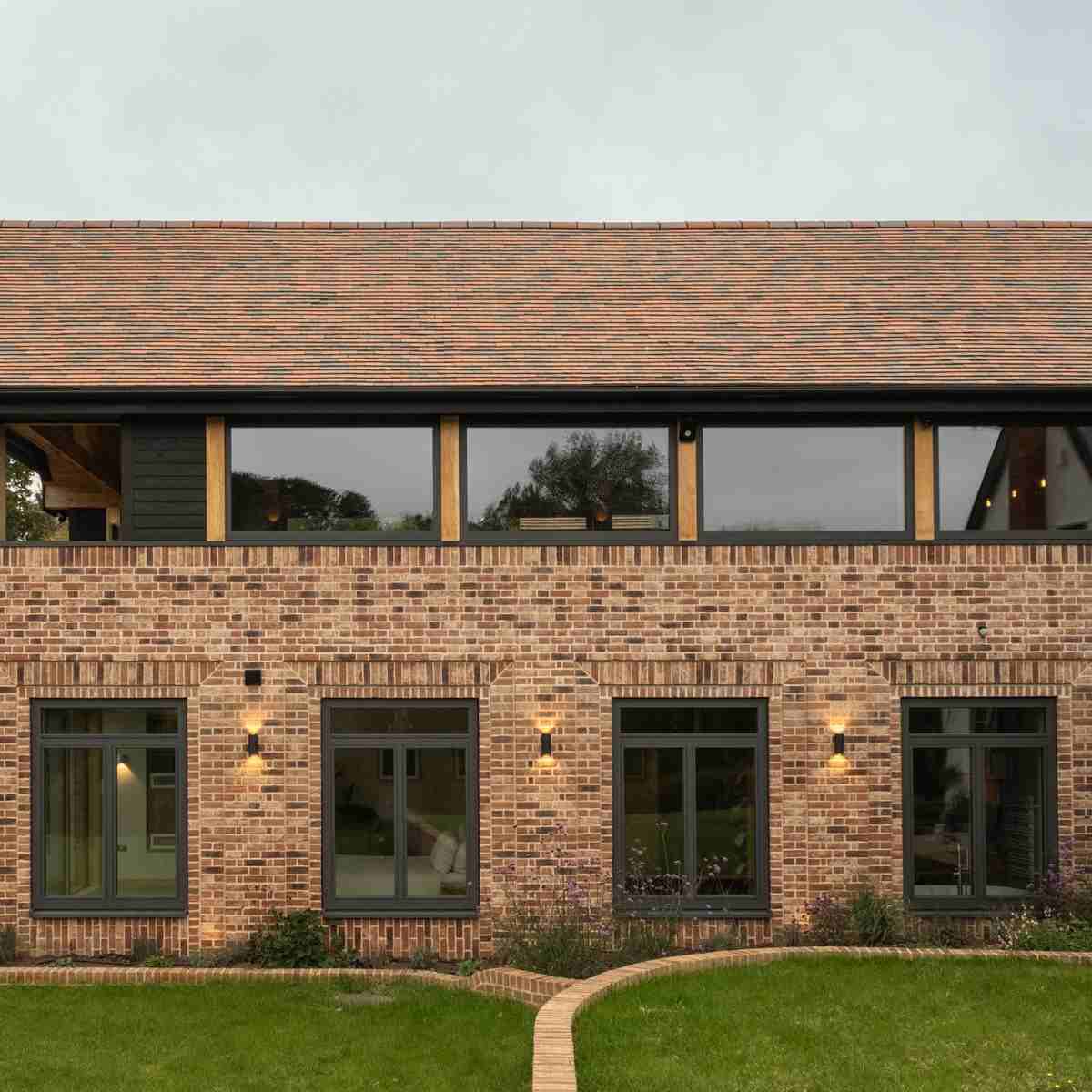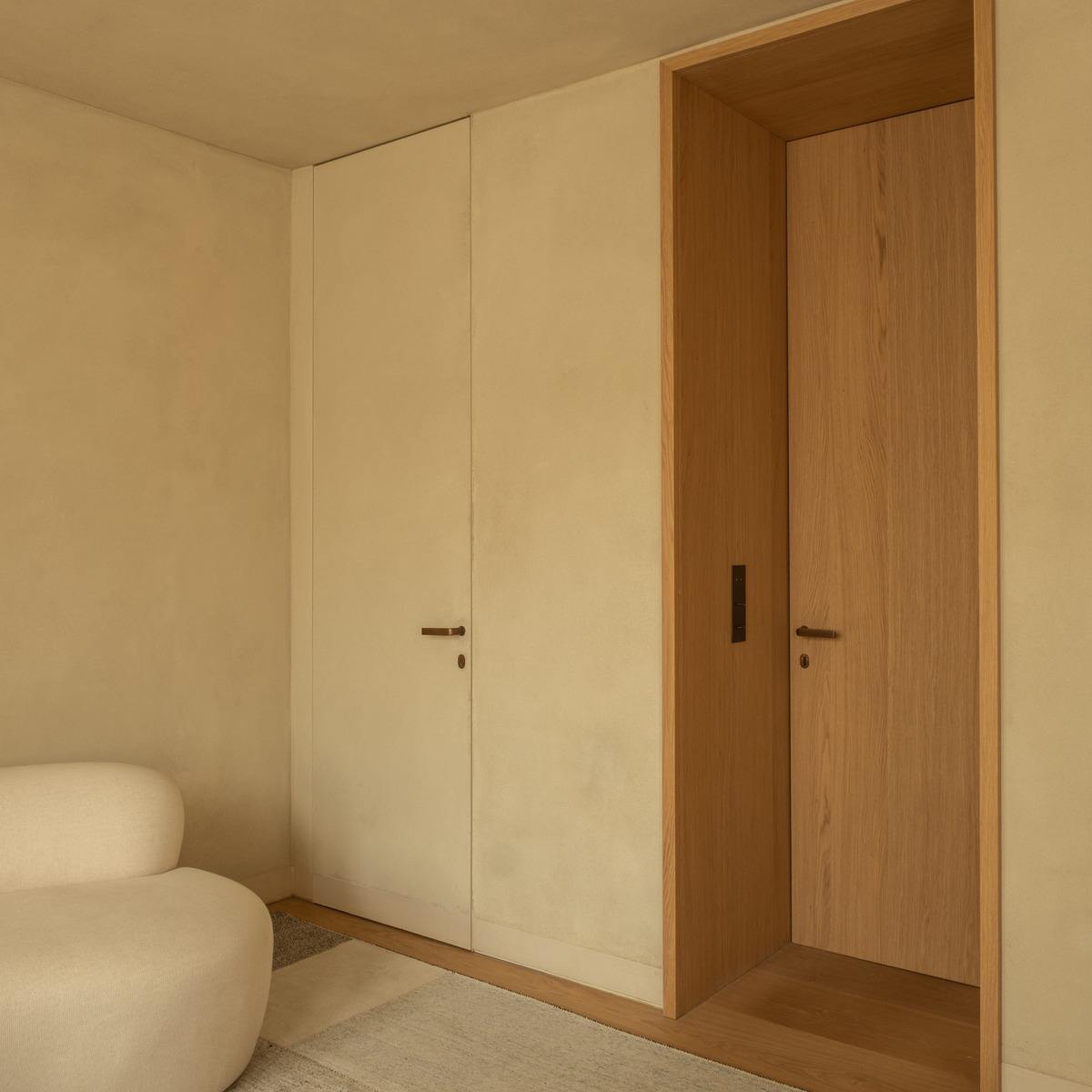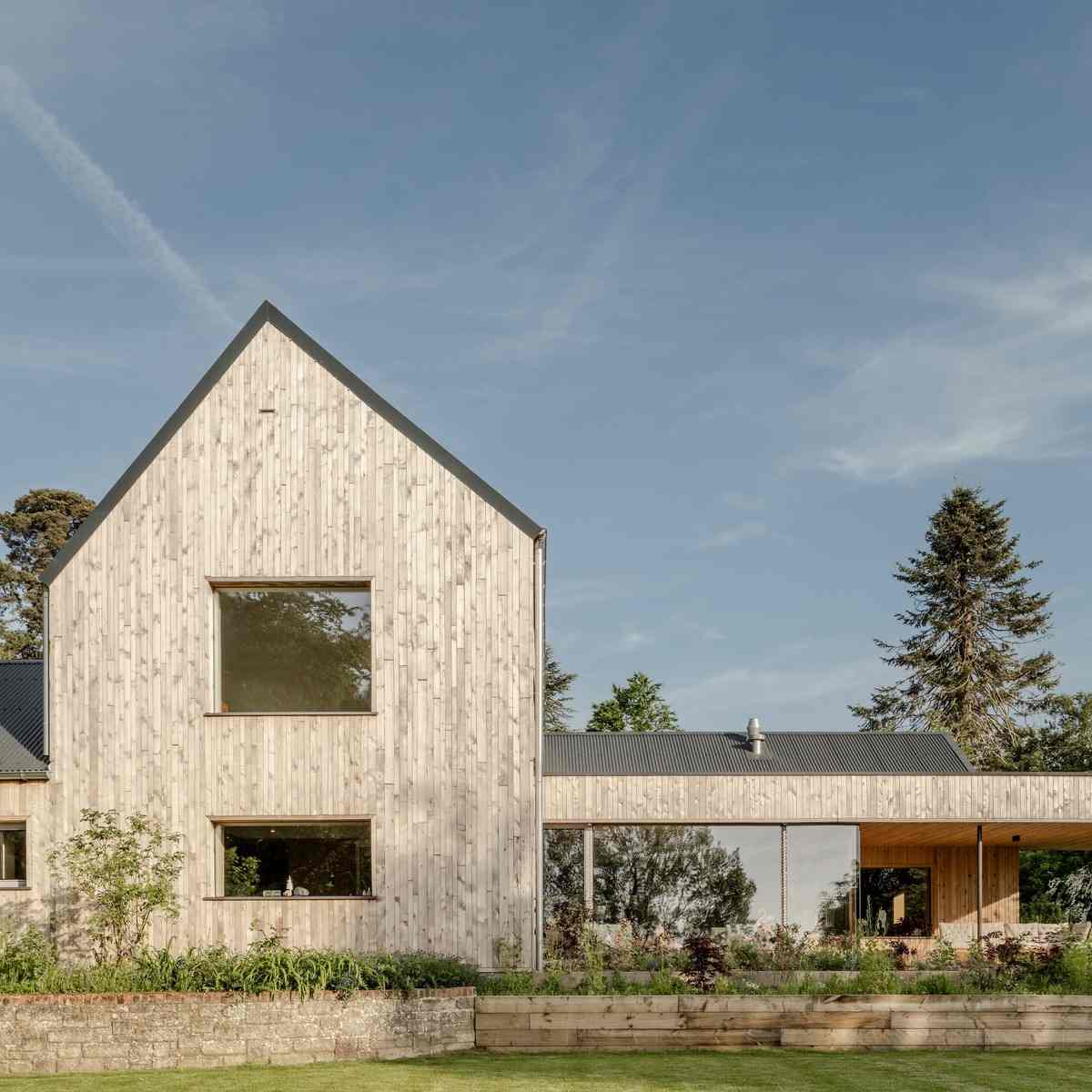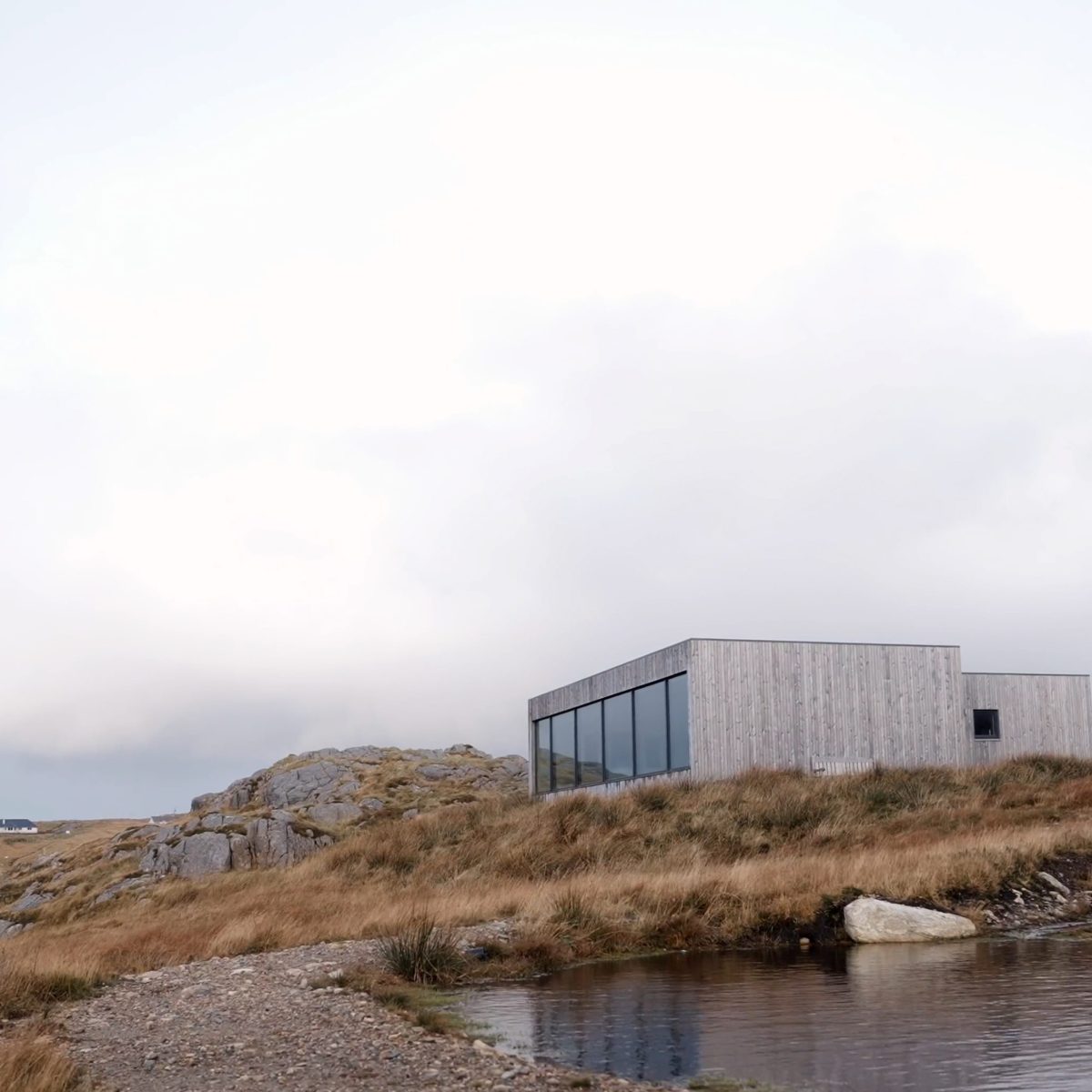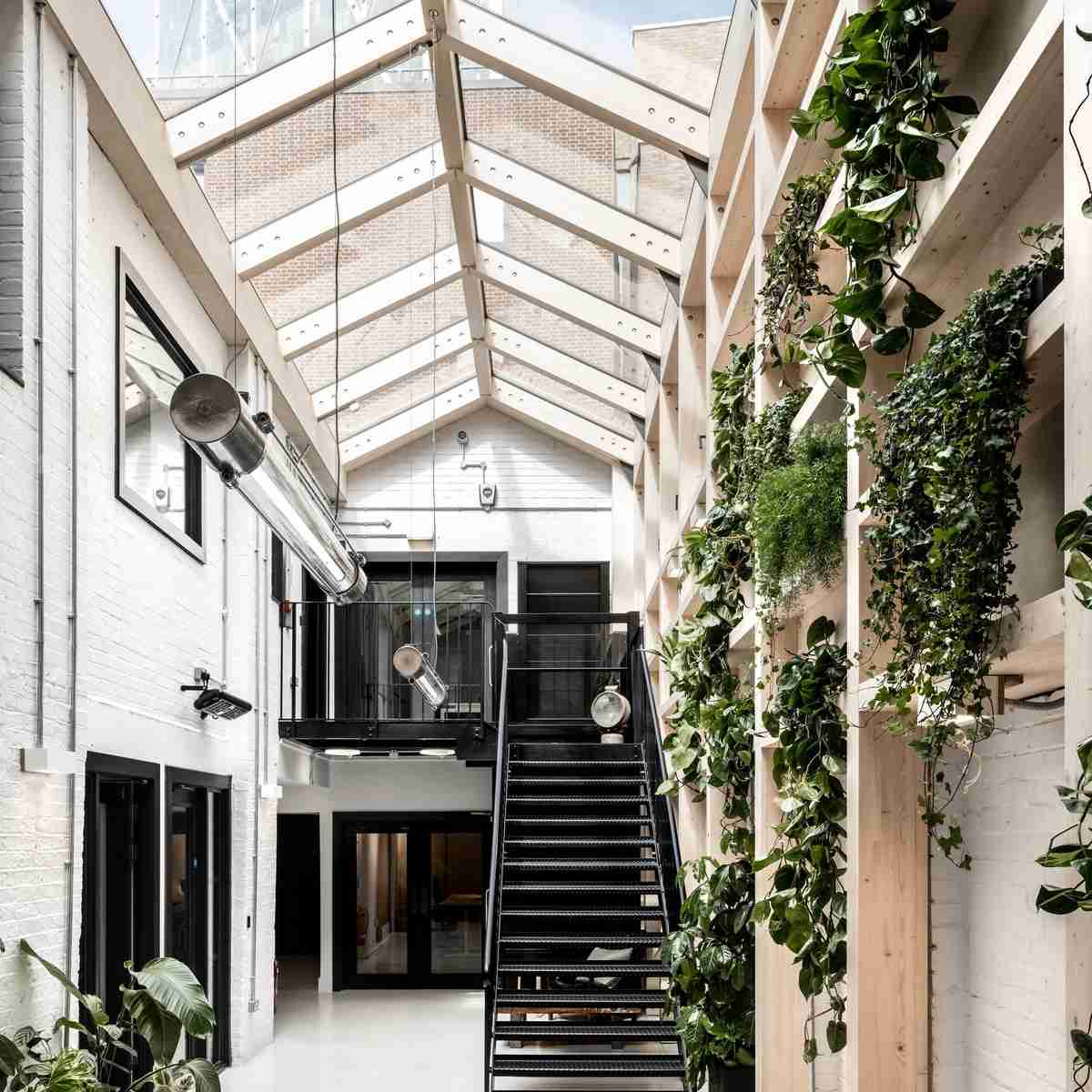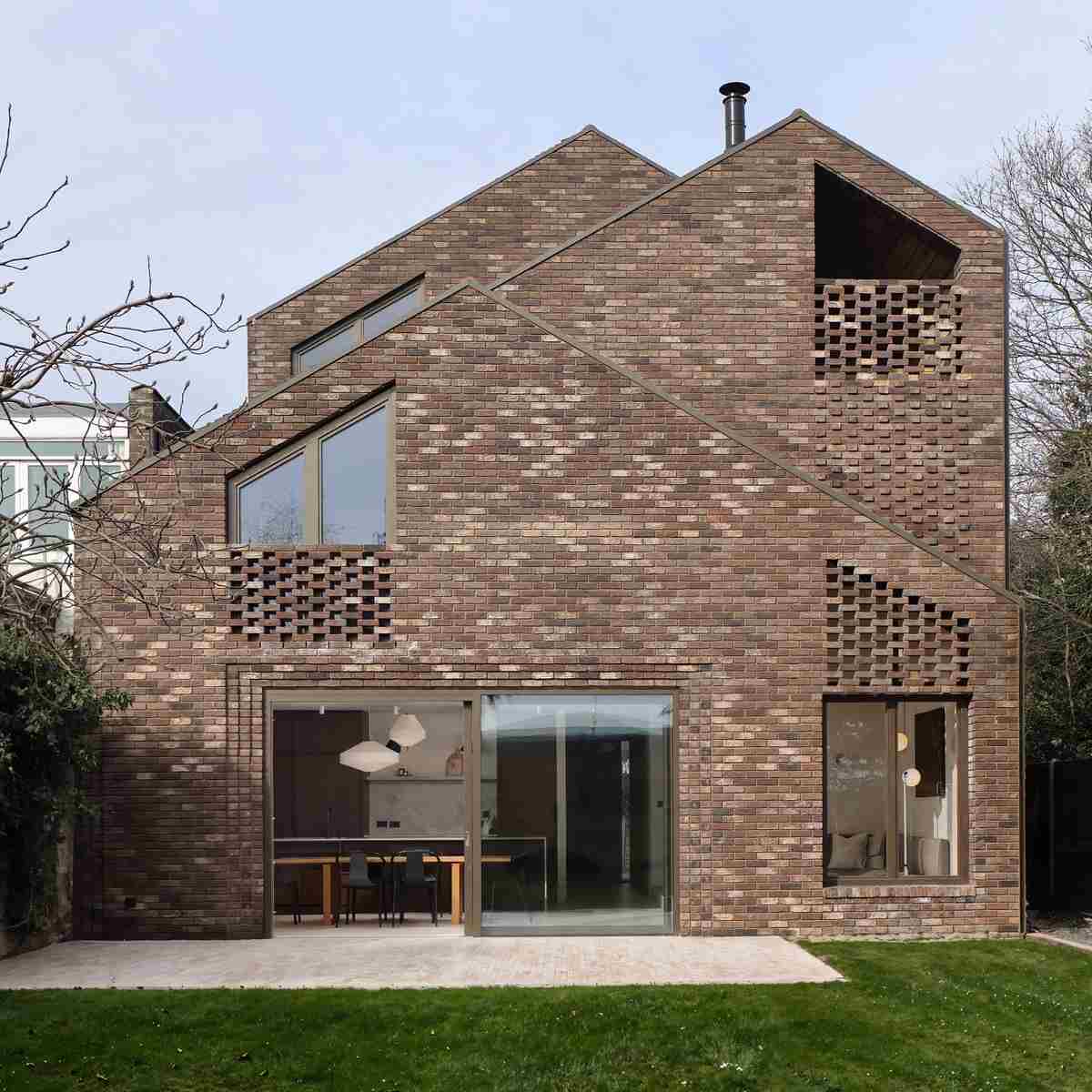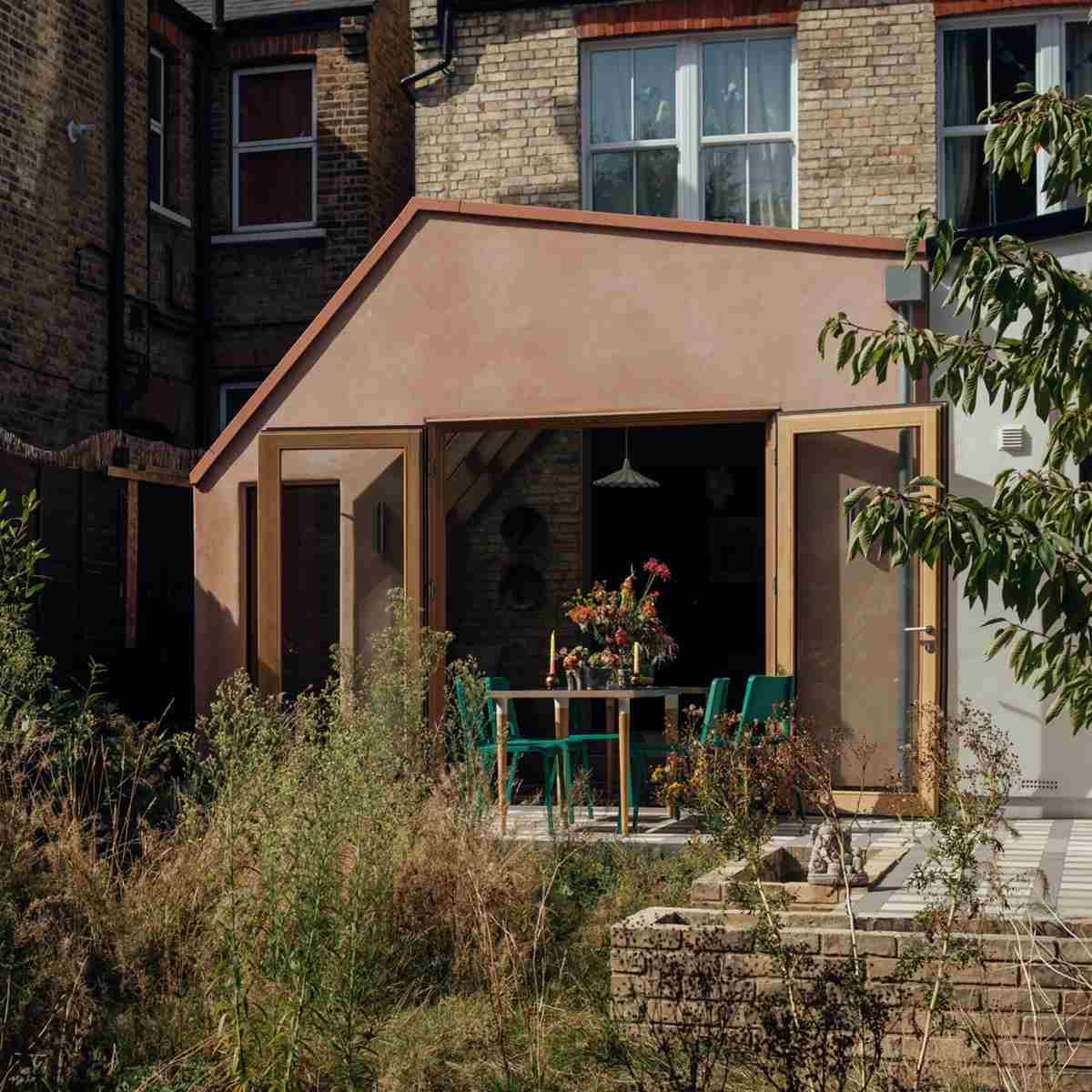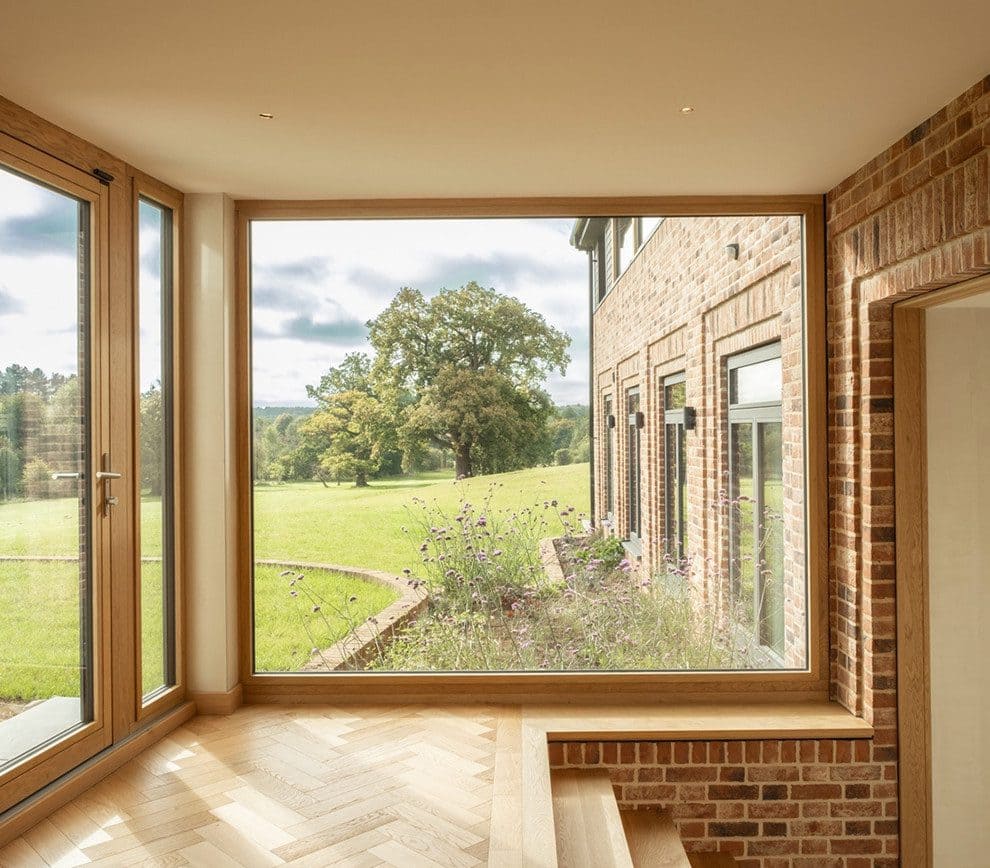
Windows can have one colour outside and another inside. These are known as dual colour windows. They allow the external frame to suit the façade, roof and surrounding materials without forcing the same finish onto the rooms behind it.
That freedom is valuable, but colour cannot be separated from construction. An all-timber window and a timber-aluminium window achieve a dual finish in different ways. Dark external colours also place different demands on timber, coatings and exposed elevations. We look at the building, the finish and the material together before recommending a route.
Table of Contents
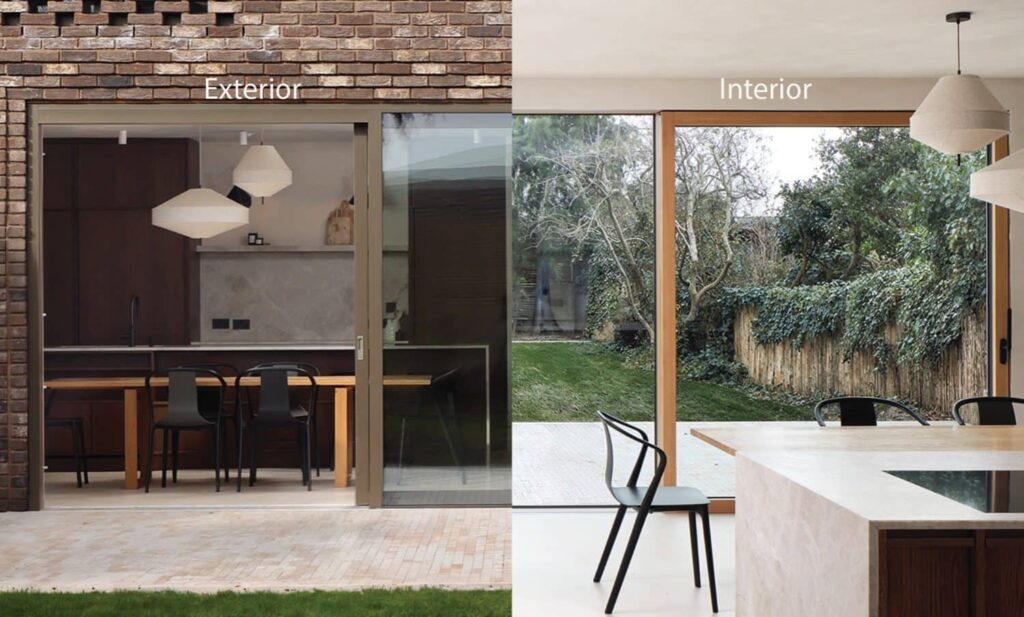
Dual finish design strategy for glazing
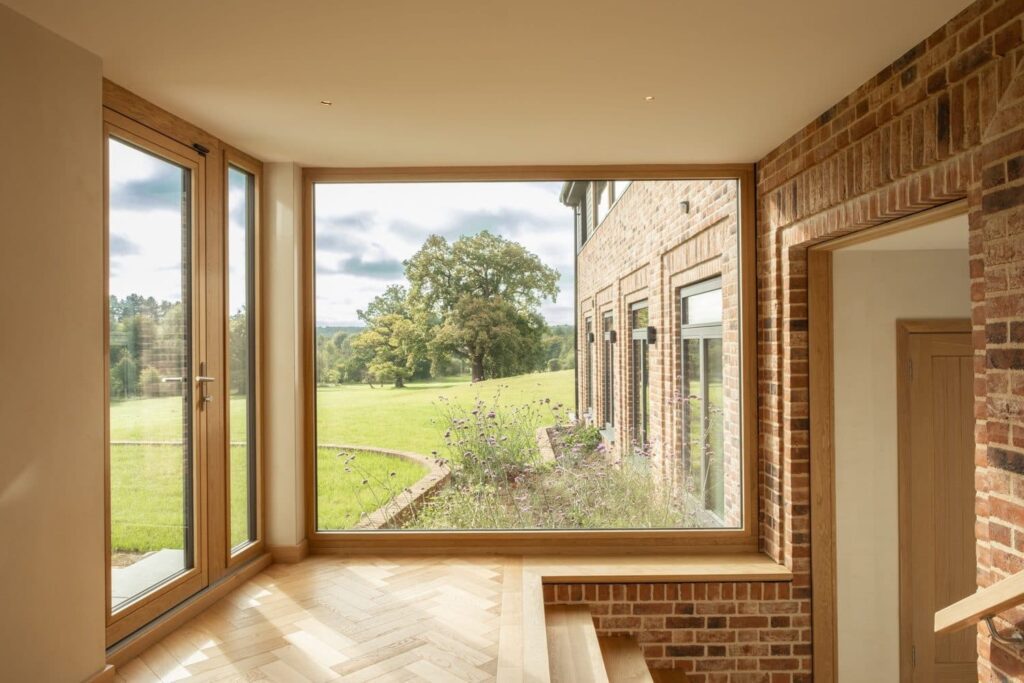
The external face can be finished in one colour and the internal face in another. The two sides can also use different types of finish when the window construction allows it. A timber-aluminium system may have powder-coated aluminium outside and clear-coated or stained timber inside. An all-timber window may combine a painted exterior with a clear, stained or painted interior.
The colour break is planned into the factory finishing process. It is not the same as repainting one side of a completed standard window on site. The junction between finishes must be set at a sensible line around the frame and opening sash so that the result looks deliberate from every angle.
The same approach can extend across balcony doors, entrance doors and sliding doors, keeping the external elevation consistent without making every internal joinery element identical.
What are dual colour windows?
Dual colour describes the finish arrangement. Timber, timber-aluminium, aluminium and uPVC systems can all use it, yet their manufacturing methods differ. For architectural glazing, the specification covers:
- the outer frame, opening sash and any glazing bars
- the meeting line between the internal and external finishes
- paint, stain, clear coating or aluminium powder coating
- handles, hinges, gaskets, vents and spacer bars
- colour consistency across windows, doors and sliding systems
- the way each elevation responds to sun, rain and local exposure
We resolve these details before manufacture, when every colour break and component can be controlled.
Start with the façade and the rooms behind it
Brick, render, stone, metal cladding, roof finishes and external doors all influence whether the outer frame should recede or form a contrast. Dark frames can sharpen contemporary elevations. Muted green, off-white and warm grey sit more quietly within traditional or rural schemes.
The inside deserves equal attention because you will spend more time looking at it. Natural timber can connect with floors, cabinetry and fitted joinery. Pale paint can merge with the reveal, whereas a dark internal frame gives a large opening more definition. The two faces do not need to look related, but the dividing line must remain neat when the sash opens.
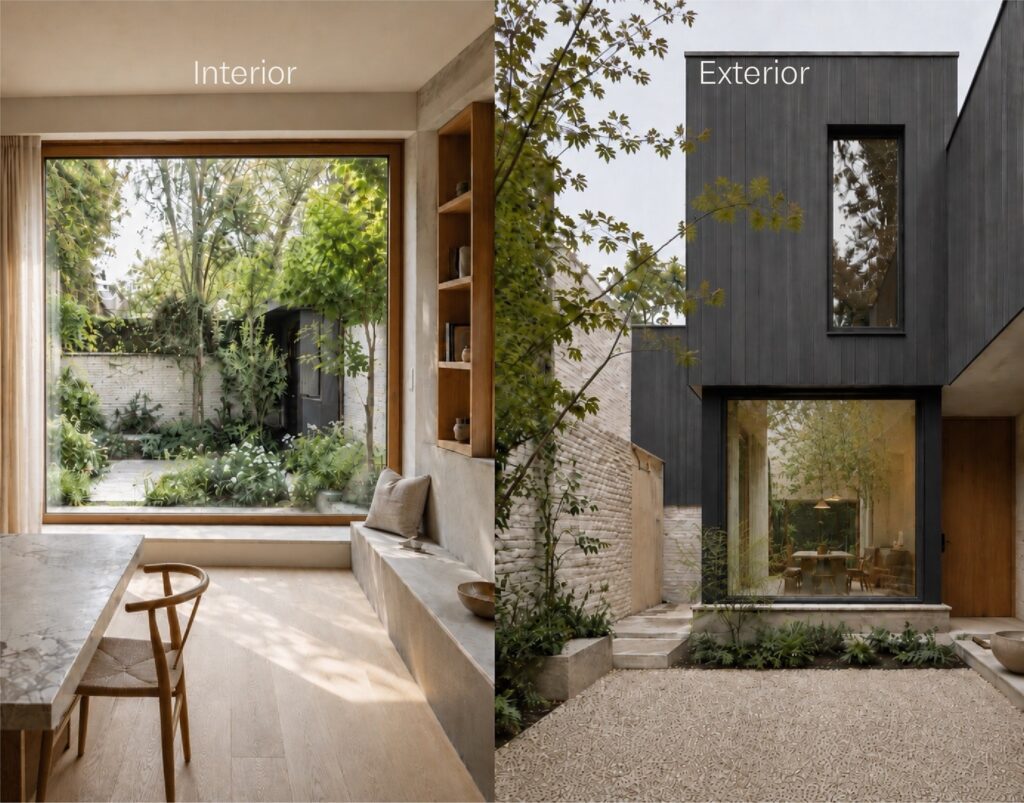
When all-timber dual finishes make sense
Our Vantage range keeps timber as the main material. It suits rural homes, conservation-led work and contemporary buildings where wood matters inside and out. A single treatment can create continuity, but a painted exterior may also be paired with clear-coated, stained or painted timber internally.
There is one production limit: at least one side must use a full-cover paint. We apply the lighter or transparent treatment first, then mask it and add the opaque coating to the other face. Two stains cannot overlap and retain a reliable colour break.
Masking and recoating add labour and cost. A strong contrast can narrow the price gap between all-timber and timber-aluminium construction, making our Endurance range worth comparing.
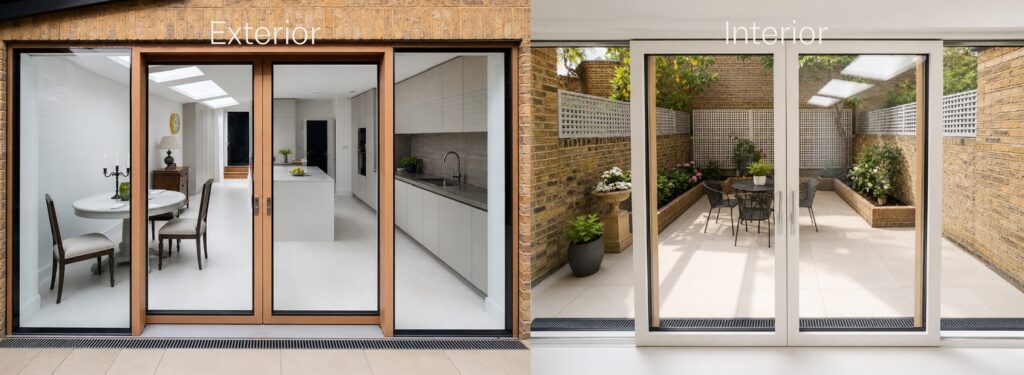
When alu-clad is the better dual-finish option
Our Endurance range combines a timber structure with an aluminium outer face. The aluminium can be powder-coated independently from the internal timber. Anthracite Grey, black or bronze outside can sit with natural oak, stained spruce or painted timber inside.
Aluminium takes the direct weather exposure, making Endurance well suited to dark external colours, exposed sites and large areas of glazing. Timber remains visible in the rooms. Endurance uses a set family of aluminium profiles, whereas Vantage gives us more freedom to alter timber sections for a special junction.
Vantage and Endurance dual-finish comparison
| Consideration | Vantage all-timber | Endurance timber-aluminium |
|---|---|---|
| Construction | Timber on the internal and external faces | Timber structure with an aluminium outer face |
| Finish options | Paint outside with clear-coated, stained or painted timber inside. One face must use full-cover paint. | Powder-coated aluminium outside with clear-coated, stained or painted timber inside. |
| Dark or exposed elevations | Suitable when species and coating suit the colour and exposure. Dark finishes may require hardwood or Accoya. | Well suited to dark colours, exposed sites and large glazed areas because aluminium takes direct weathering. |
| Profile design | Greater freedom to alter timber sections for a special junction. | Uses a set family of aluminium outer profiles. |
| Main cost factors | Masking, recoating and upgraded timber species can narrow the price gap. | Bespoke colours, textured powders and exposure-led coatings can change the price. |
Choosing dark exterior colours
Anthracite grey, black and dark bronze work well with brick, zinc, dark roofs and pale render. They also absorb more solar energy than light finishes, so material choice matters on exposed timber.
Resinous softwoods can release resin when a dark surface becomes hot in direct sun, with the greatest risk on dark south-facing elevations. Resin can mark the coating. It is mainly a visual defect, not structural damage, but it is something we design to avoid.
We assess colour, species and elevation together. A dark painted Vantage window may require hardwood or Accoya. Endurance gives another route because the dark colour sits on aluminium and can be combined with a more cost-conscious softwood structure.
A dark internal finish is not exposed to the same direct weathering. We have produced Endurance projects with black painted timber inside and black aluminium outside, using separate coating systems for the two faces.
Using RAL colours and physical samples
RAL is a standardised colour reference. RAL 7016 Anthracite Grey and RAL 9005 Jet Black are familiar window choices, but bespoke RAL and NCS colours are available for our painted timber and aluminium finishes, subject to the coating specification.
A code is only the start. Gloss, texture, material and light change its appearance. Powder-coated aluminium will not read like painted timber, even under the same code. Review physical samples beside the façade materials and inside the room in daylight, shade and artificial light.
Do the frame and sash colours need to match?
The outer frame and opening sash can use separate colours. Within our manufacturing approach, selecting a different colour for the sash and frame does not usually add cost where colours are standard.
An outer frame painted to match the wall or reveal can recede, leaving the sash as the stronger line. A second split introduces a third colour decision, so each colour should connect with an adjoining material. Review handles, visible hinges, gaskets and vents at the same time.
Speak to one of our experts to get started
Whatever your requirements, we’ll advise, inspire and support your plans to deliver your architectural vision.
Planning permission, listed buildings and conservation areas
Repainting frames or installing replacements of a similar appearance may fall within permitted development for a house. Flats do not have the same rights. A listed building can require listed building consent for changes to material, design, glazing or colour.
An Article 4 direction may remove permitted development rights and the local planning authority may expect the exterior colour, profile and opening pattern to match historic joinery. Check consent before approving the colour order. Planning drawings, samples and RAL references support that review.
Dual colour window combinations that work
Anthracite Grey or black outside, natural timber inside
This pairing suits contemporary brick, render and metal-clad façades. The dark exterior defines the elevation and clear-coated timber warms the rooms.
Bronze outside, warm stained timber inside
Bronze works with buff brick, stone and dark metalwork. A warm internal stain creates a quieter material change than black against pale timber.
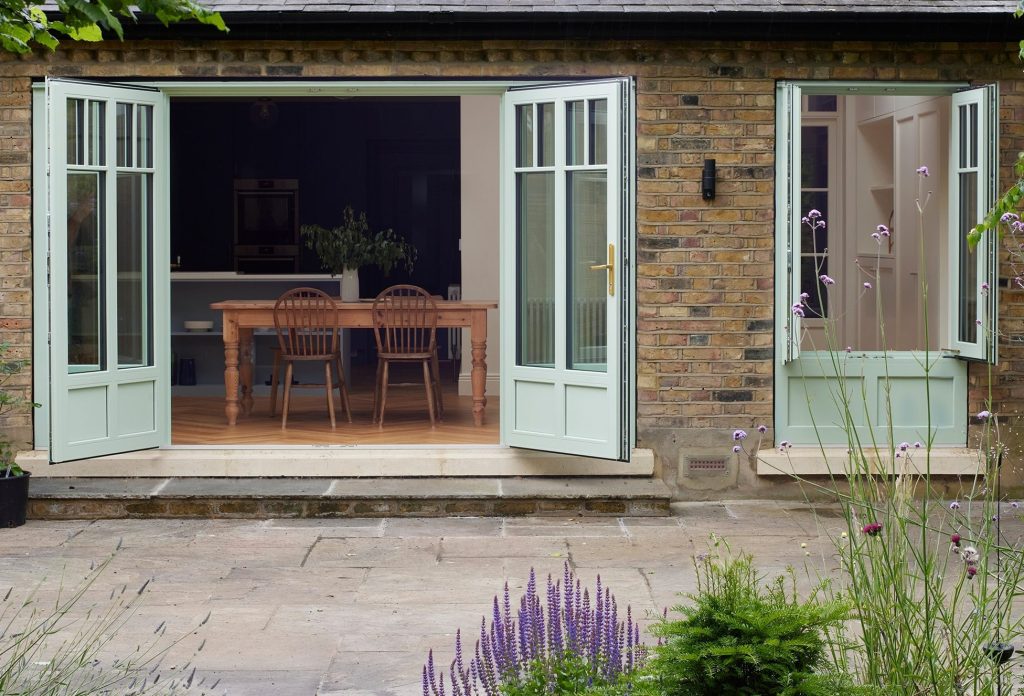
Muted green or warm grey outside, painted cream inside
This combination suits cottages, rural houses and heritage-led renovation. The pale interior sits easily with plastered reveals and traditional joinery.
One timber treatment inside and out
A unified Vantage finish is a strong choice where timber continuity carries the design. It also reduces finishing labour and cost.
A wall-coloured outer frame with an accent sash
Matching the fixed frame to render or a reveal makes it recede. A contrasting sash provides the visible line. Check the idea on a detailed elevation because the result depends on frame proportions.
| Exterior finish | Interior finish | Works well with |
|---|---|---|
| Anthracite Grey or black | Natural timber | Contemporary brick, render and metal-clad façades |
| Bronze | Warm stained timber | Buff brick, stone and dark metalwork |
| Muted green or warm grey | Painted cream | Cottages, rural houses and heritage-led renovation |
| Natural or stained timber | The same timber treatment | Buildings where timber continuity carries the design |
| Wall-coloured outer frame with an accent sash | A finish selected for the room | Schemes where the fixed frame should recede and the sash should provide the visible line |
What do dual colour windows cost?
A universal percentage would be misleading for bespoke glazing. Cost depends on size, quantity, timber species, coating and the number of colour changes.
Vantage needs masking, curing and recoating. A dark exterior may also require hardwood or Accoya, narrowing the price gap with timber-aluminium windows. Endurance separates the finishes through its material construction, but bespoke colours, textured powders and exposure-led coatings can still change the price. We recommend setting a base finish schedule early, then pricing each variation against it.
Accoya Grey: a through-coloured timber option
Accoya Grey, also known as Accoya Color Grey, is coloured through the timber. We can bond it to engineered spruce, creating a dark grey exterior and light timber interior under a transparent coating.
The added cost sits in the timber, not a second paint process. Small surface marks do not expose a different tone beneath. This route is available subject to the profile and project specification.
How we develop a dual-finish window schedule
- Read the elevations. We identify the materials, exposure and visual role of the windows on each façade.
- Read the rooms. We review floors, fitted joinery, wall finishes and the amount of visible frame.
- Choose the construction. We compare Vantage all-timber windows with Endurance timber-aluminium windows against the required finishes and profile details.
- Test dark colours against the timber. We review species, orientation and coating suitability before a dark external timber colour is approved.
- Resolve every visible component. Frame, sash, glazing bars, sash cover strip and weather-bar are included in the finish schedule.
- Approve physical samples. We check colour, sheen and grain beside the materials they need to meet.
Early decisions prevent a late colour change from forcing an unsuitable timber species or extra factory work. Send us the elevations and internal material references and we can compare Vantage with Endurance, set out the finish limits and build appropriate suggestions.
FAQs about dual colour windows
Can windows be different colours inside and outside?
Yes. Dual colour windows use one finish on the external face and another on the internal face. The exact choice depends on the frame material and factory finishing process.
What is the difference between dual colour and alu-clad windows?
Dual colour describes the finish arrangement. Alu-clad describes the construction: timber inside with an aluminium outer face. An alu-clad window is well suited to dual colour because the aluminium and timber can be finished independently.
Can timber windows have different colours inside and outside?
Yes. Our Vantage timber windows can combine a full-cover paint on one face with clear-coated, stained or painted timber on the other. The finish break is masked and applied in the factory.
Can a timber window have two different stains?
Not within our finishing process. One side must have a full-cover paint finish. Two transparent stains cannot overlap and still create the clean, dependable colour break we require.
Are dual colour windows more expensive?
They can be. Dual finishing adds manual work to an all-timber window. Bespoke powder colours, special textures, upgraded timber species and exposure-led coating specifications can also affect price. We price these items against the full window schedule.
What is the most popular dual colour window combination?
Anthracite Grey or black outside with white or natural timber inside is widely specified. It gives a dark contemporary external line without forcing the same finish onto every room.
What RAL colour is Anthracite Grey?
Anthracite Grey is RAL 7016. The finished appearance changes with sheen, texture, substrate and light, so approve a physical coated sample before manufacture.
Are dark window frames a good idea?
Yes, when the material and coating are suitable. Dark colours can give a façade definition and connect glazing with metalwork or cladding. On external timber, solar heat and resin movement need to be checked. Aluminium cladding avoids that timber-specific issue on the outer face.
Do dual colour windows need planning permission?
The colour choice alone does not always require an application. Listed buildings, flats, conservation areas and properties covered by an Article 4 direction can face tighter controls. Check with the local planning authority before ordering a changed external finish.
Can the window frame and sash be different colours?
Yes. We can specify separate frame and sash colours. This can make the fixed frame recede into the wall or turn the opening sash into an accent.
Can internal window colours vary from room to room?
Yes, subject to the product and finish schedule. The exterior can remain consistent across an elevation, with internal finishes selected to suit individual rooms. Extra colour changes can affect production and cost, so they should be agreed early.