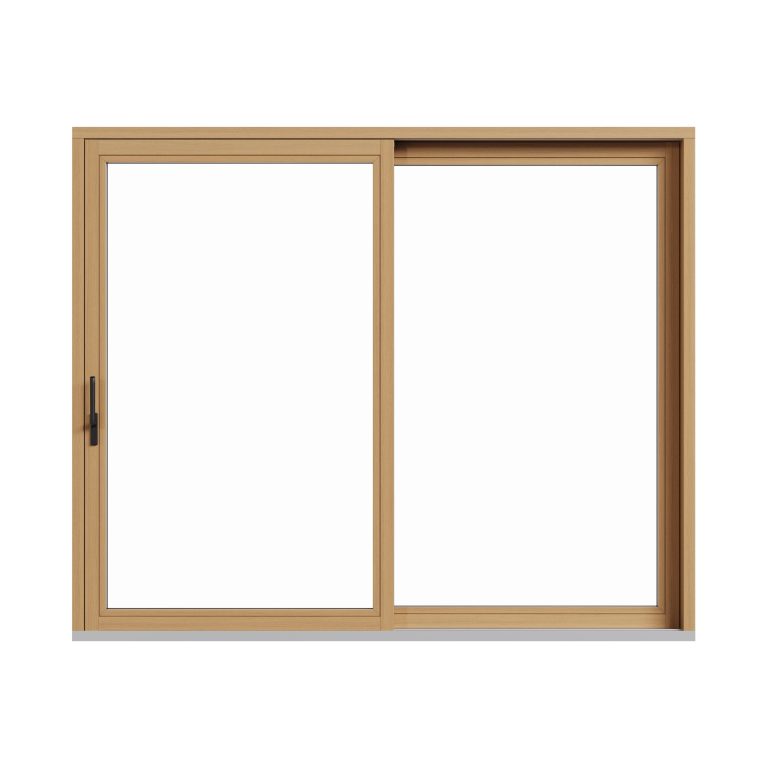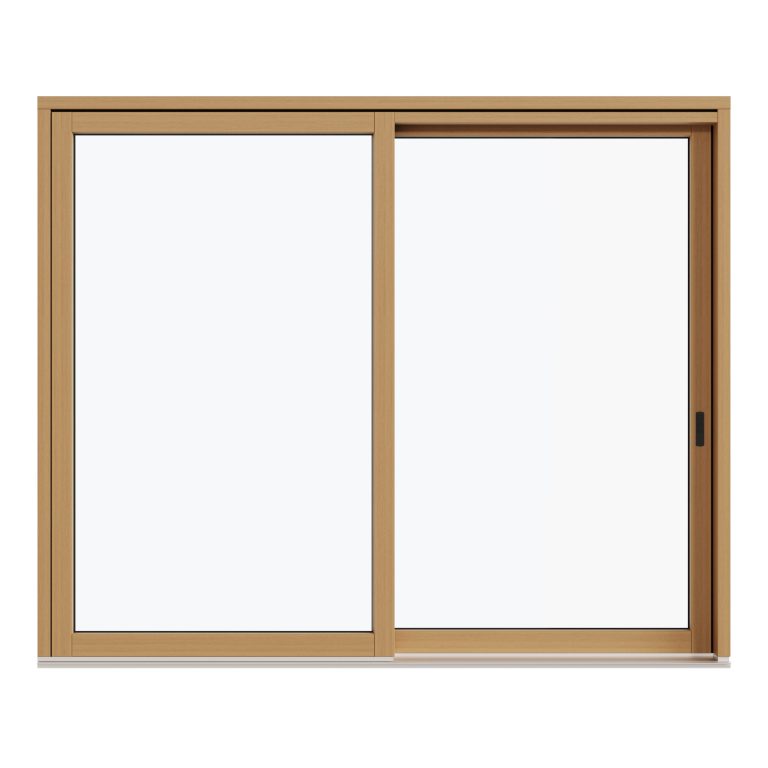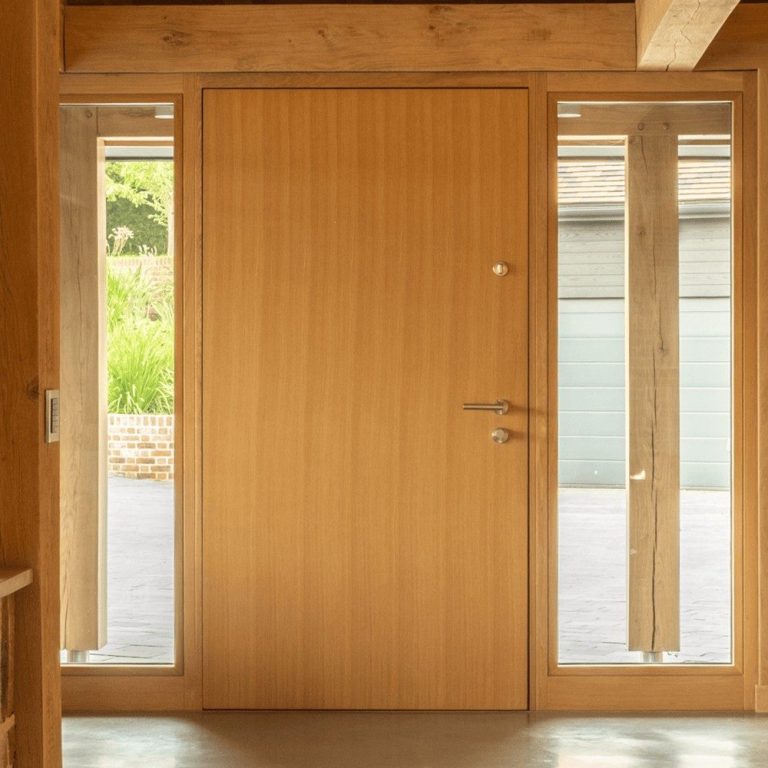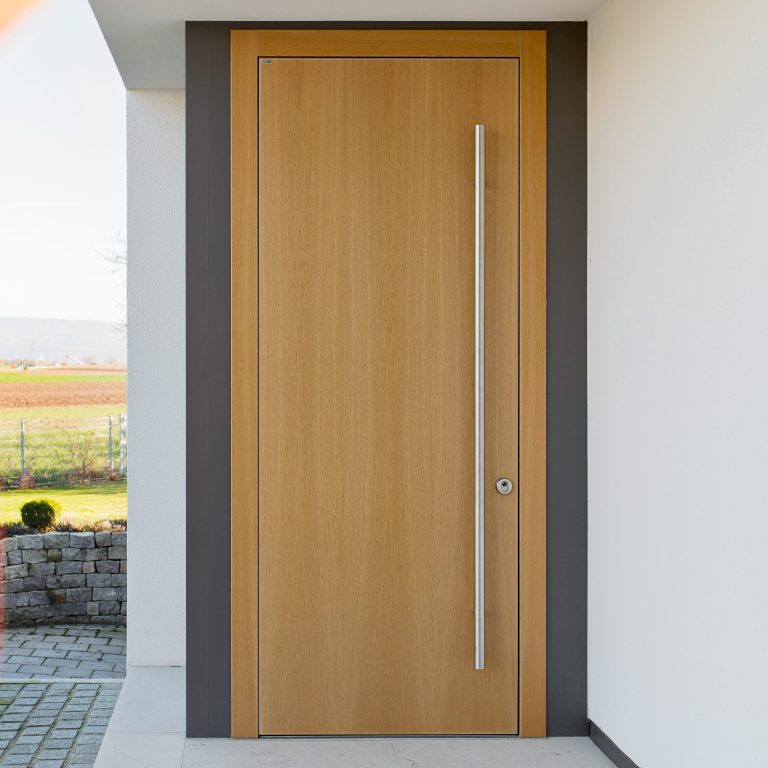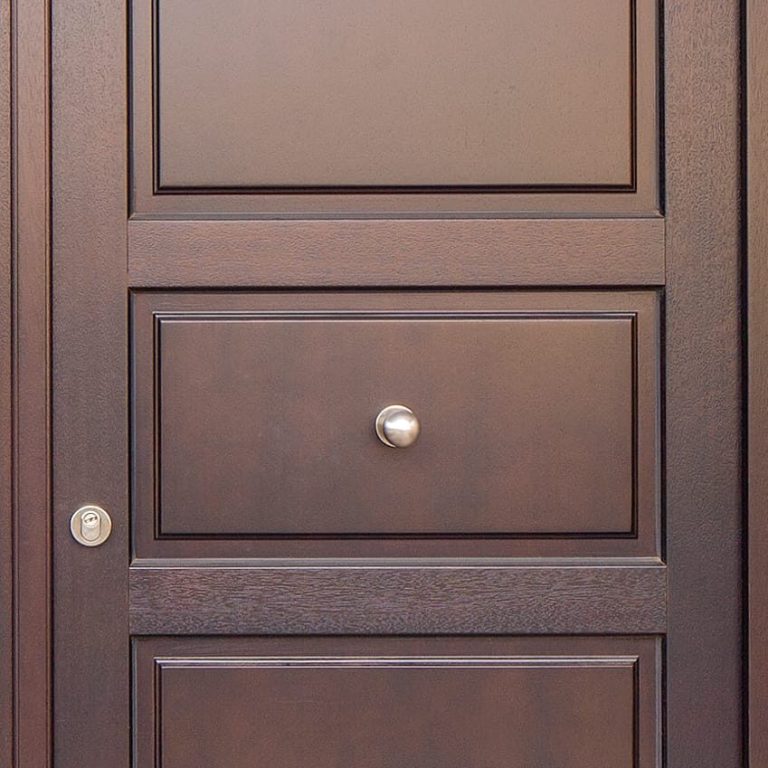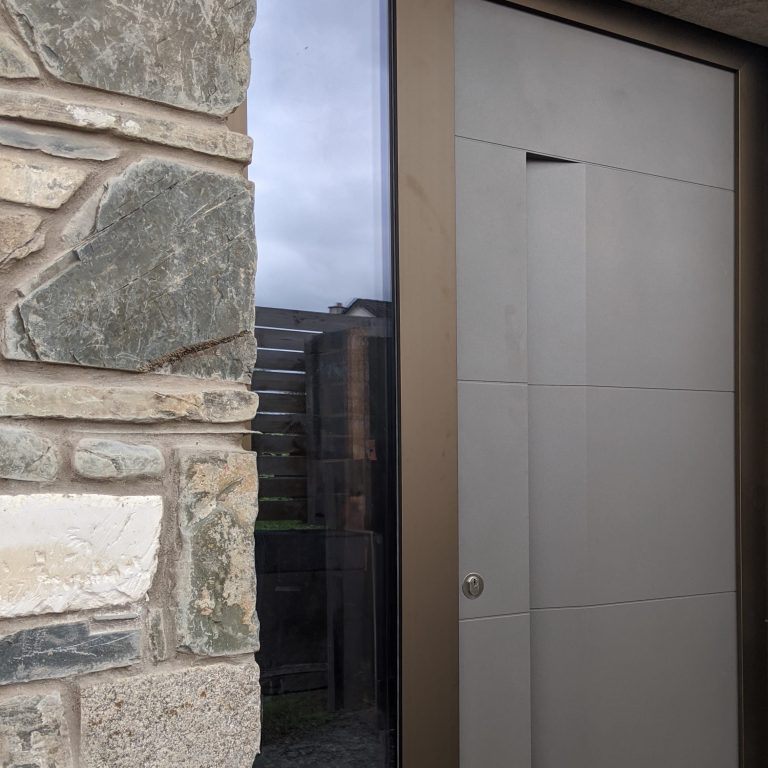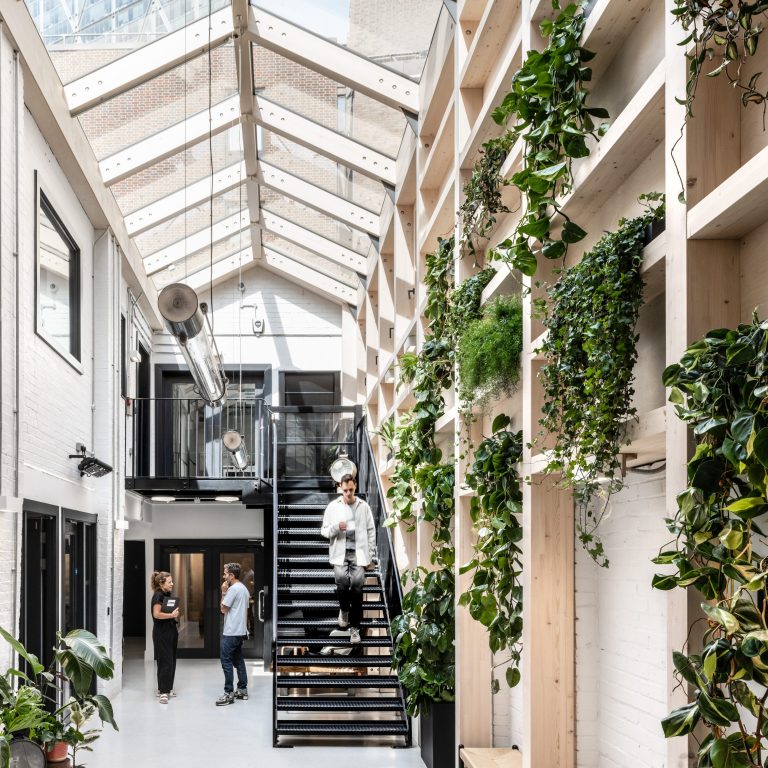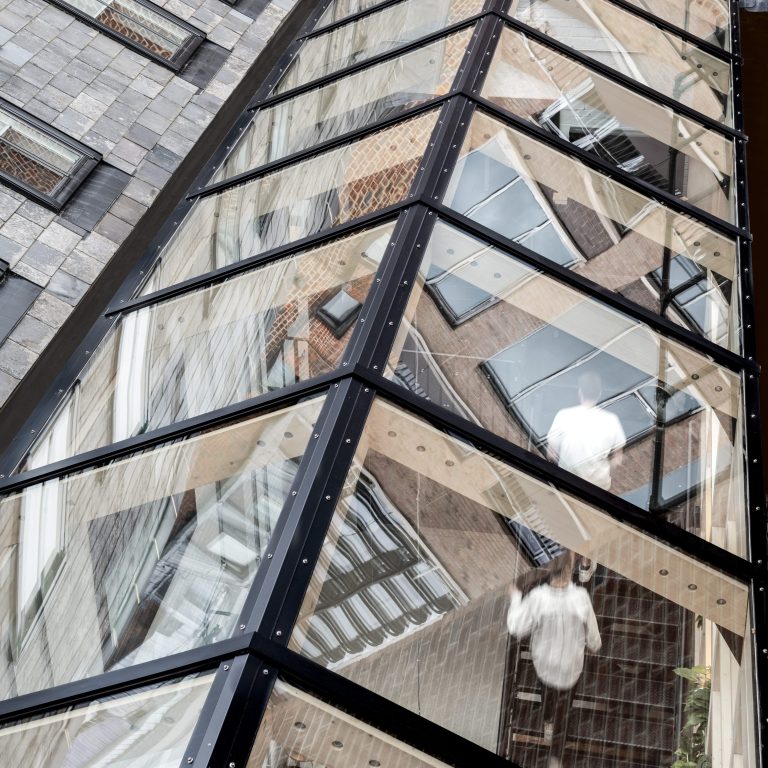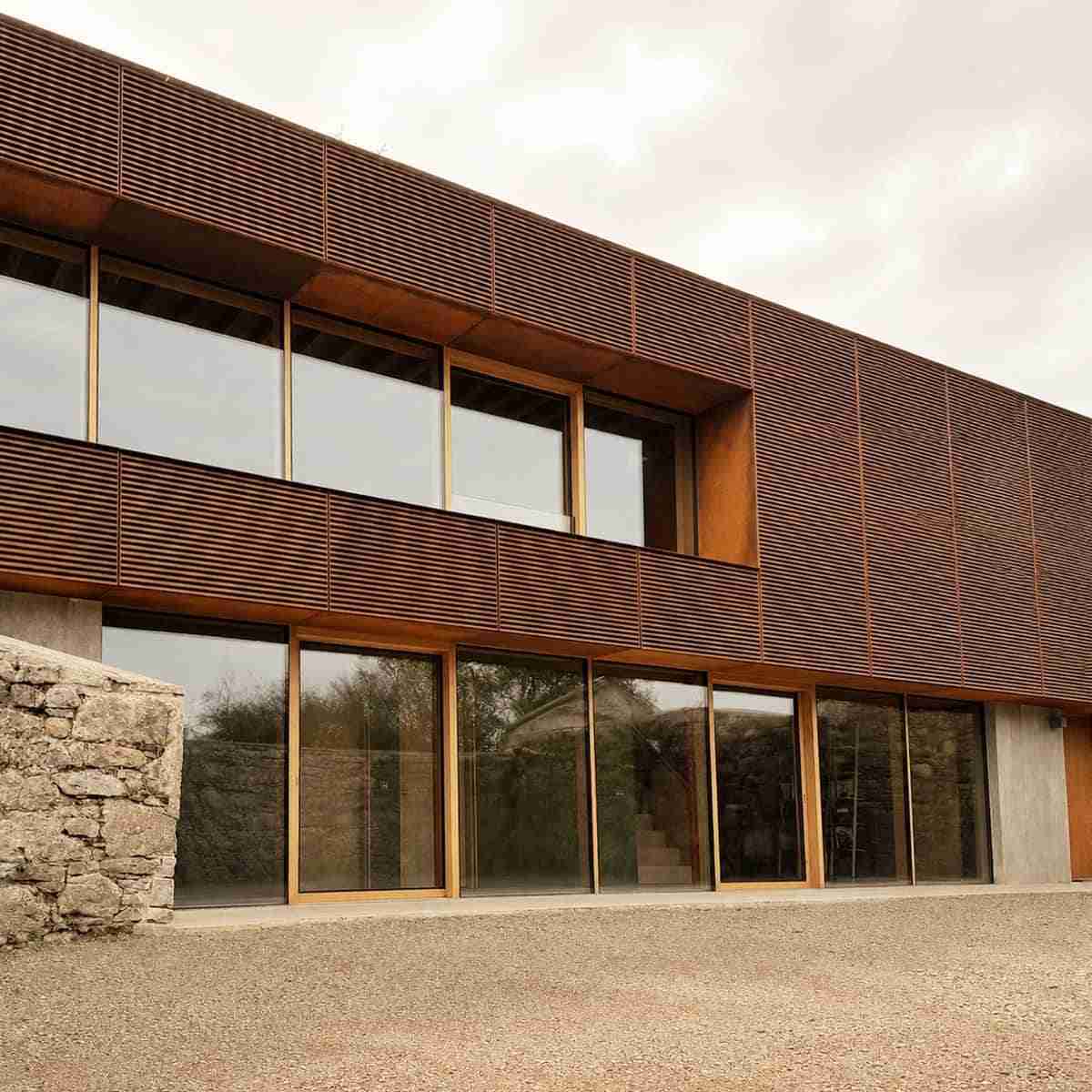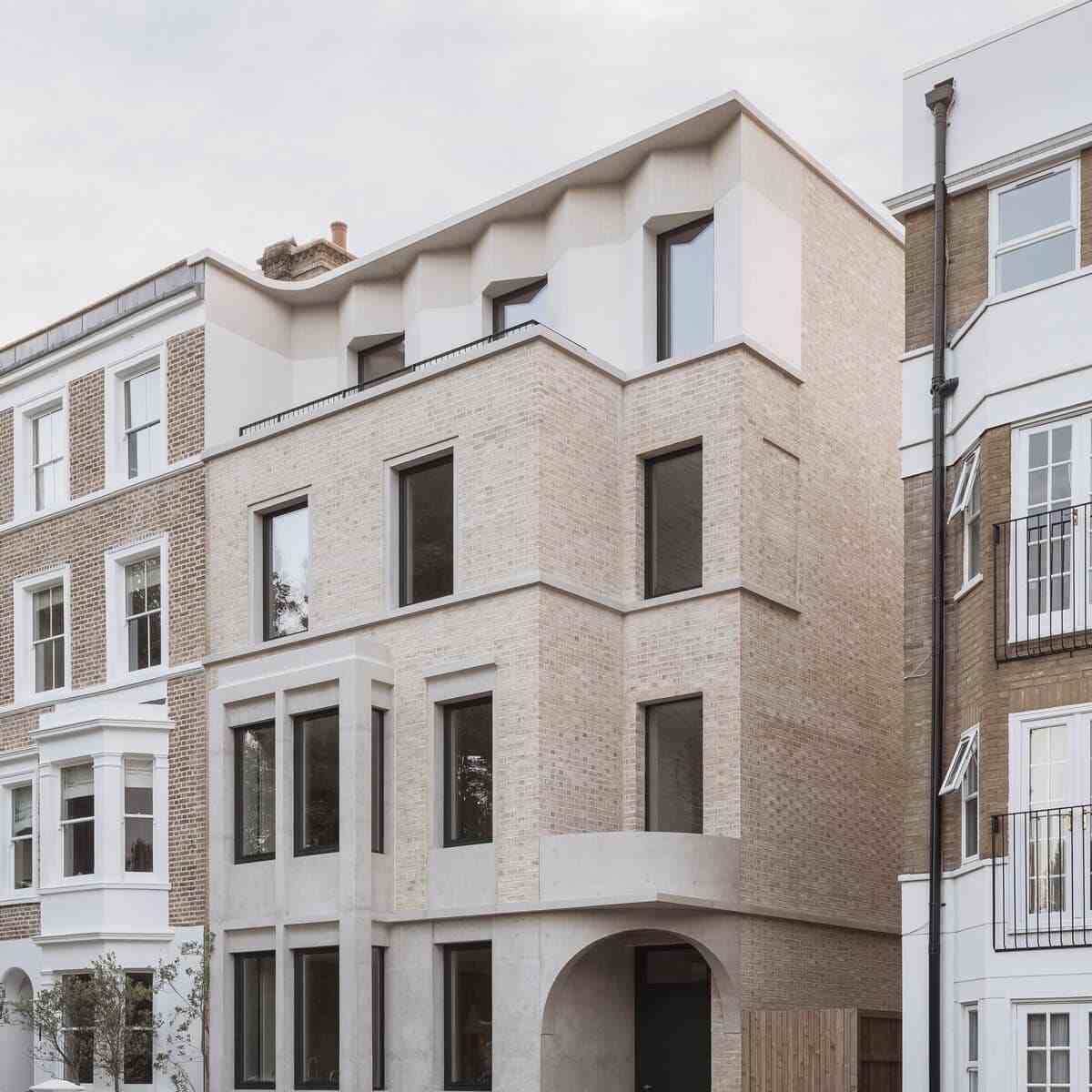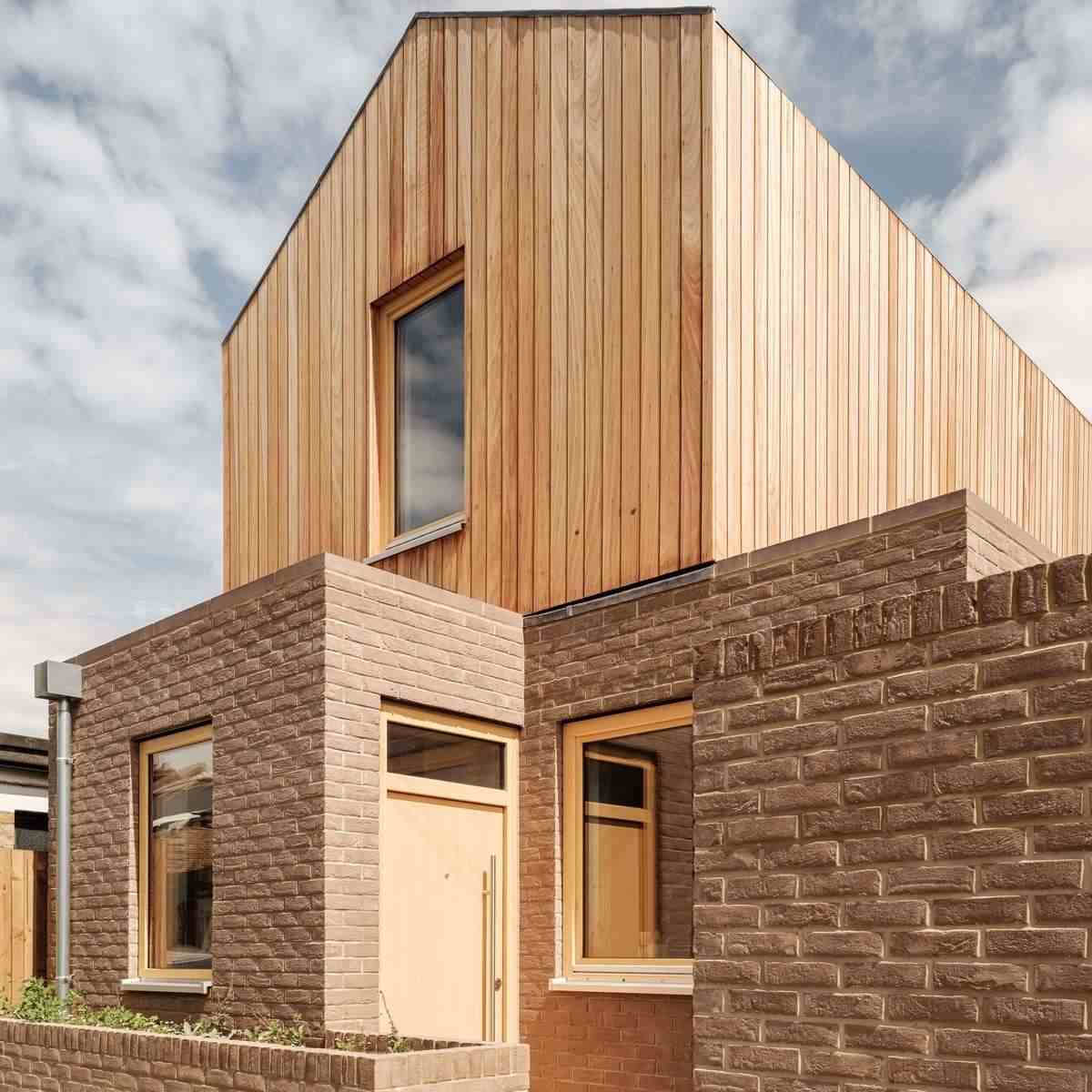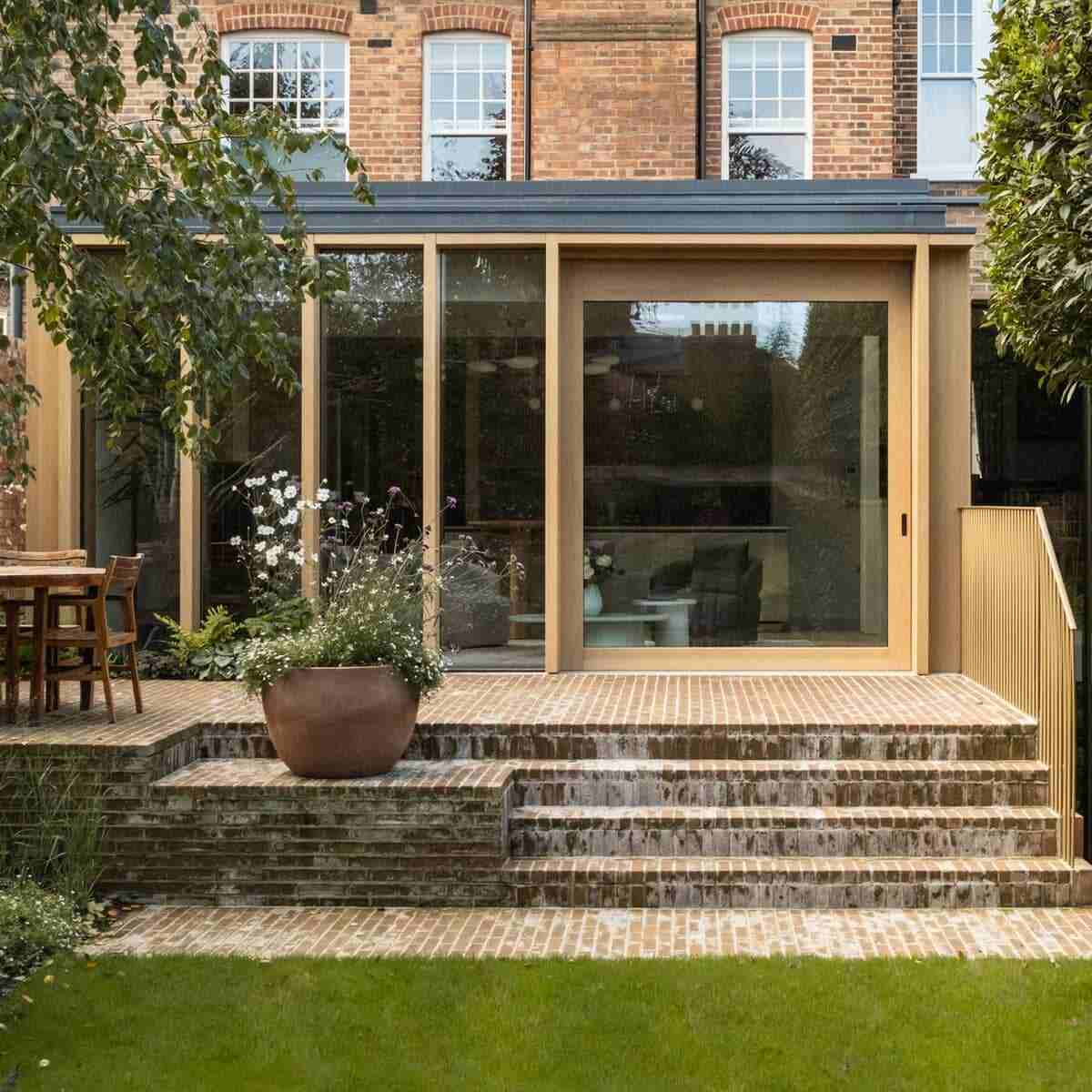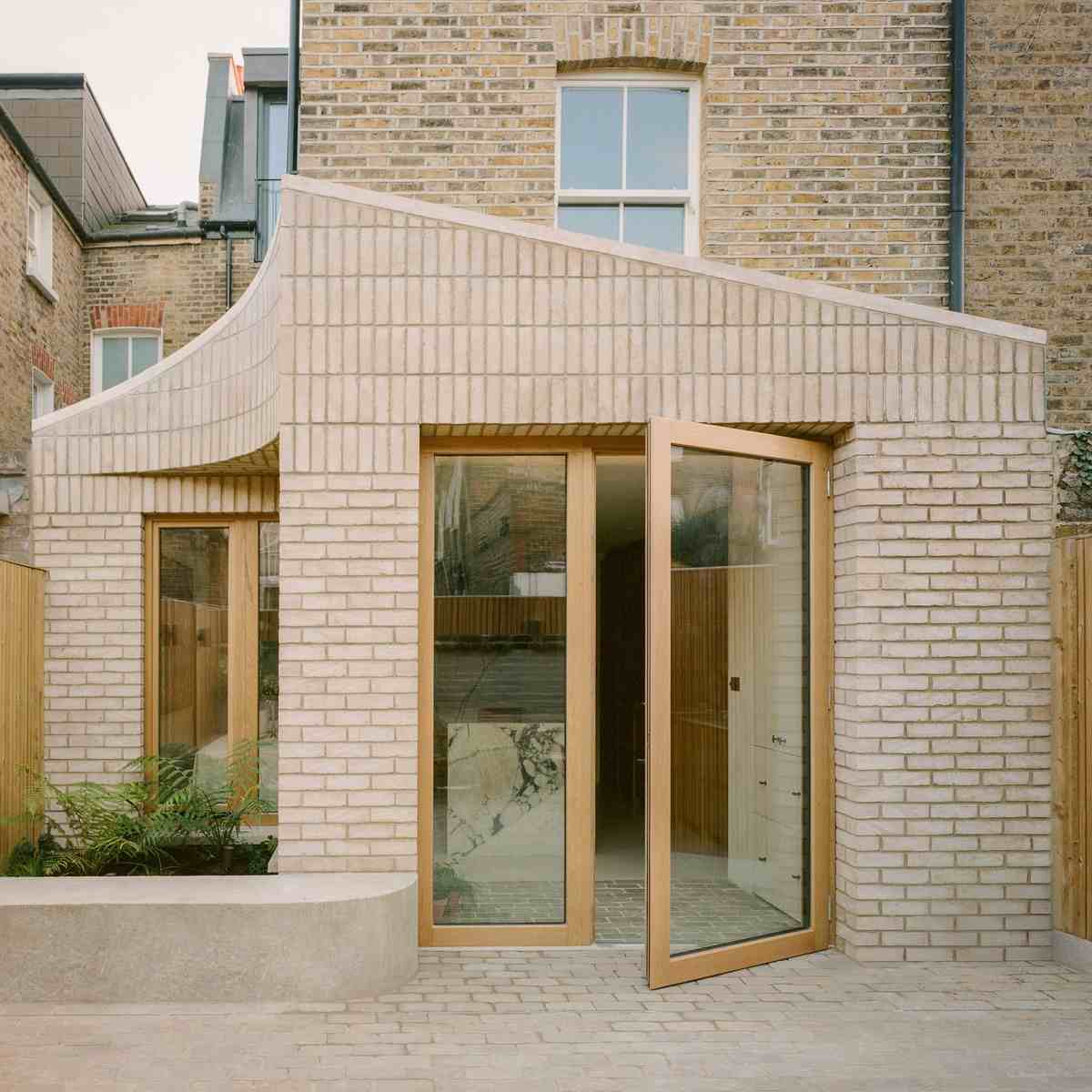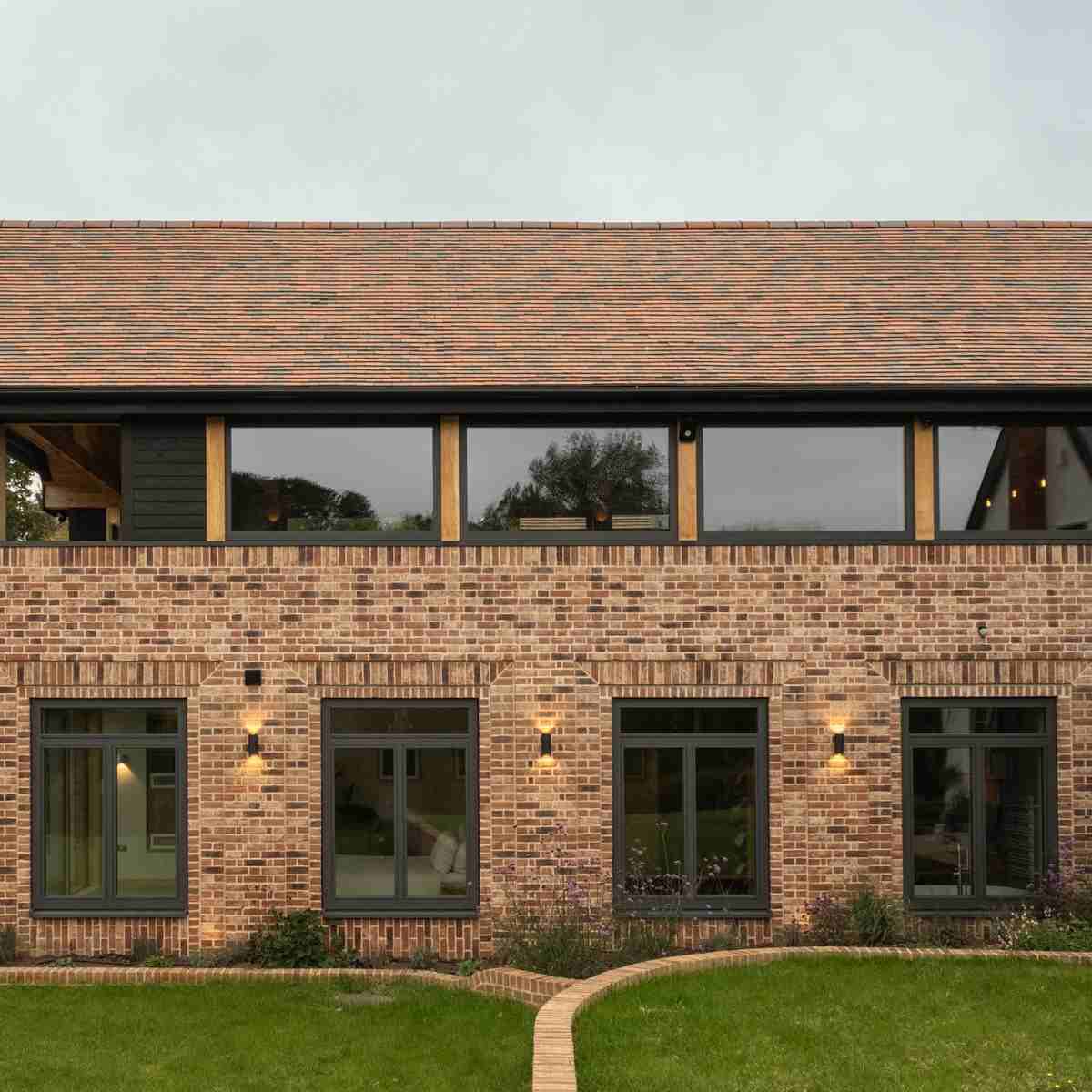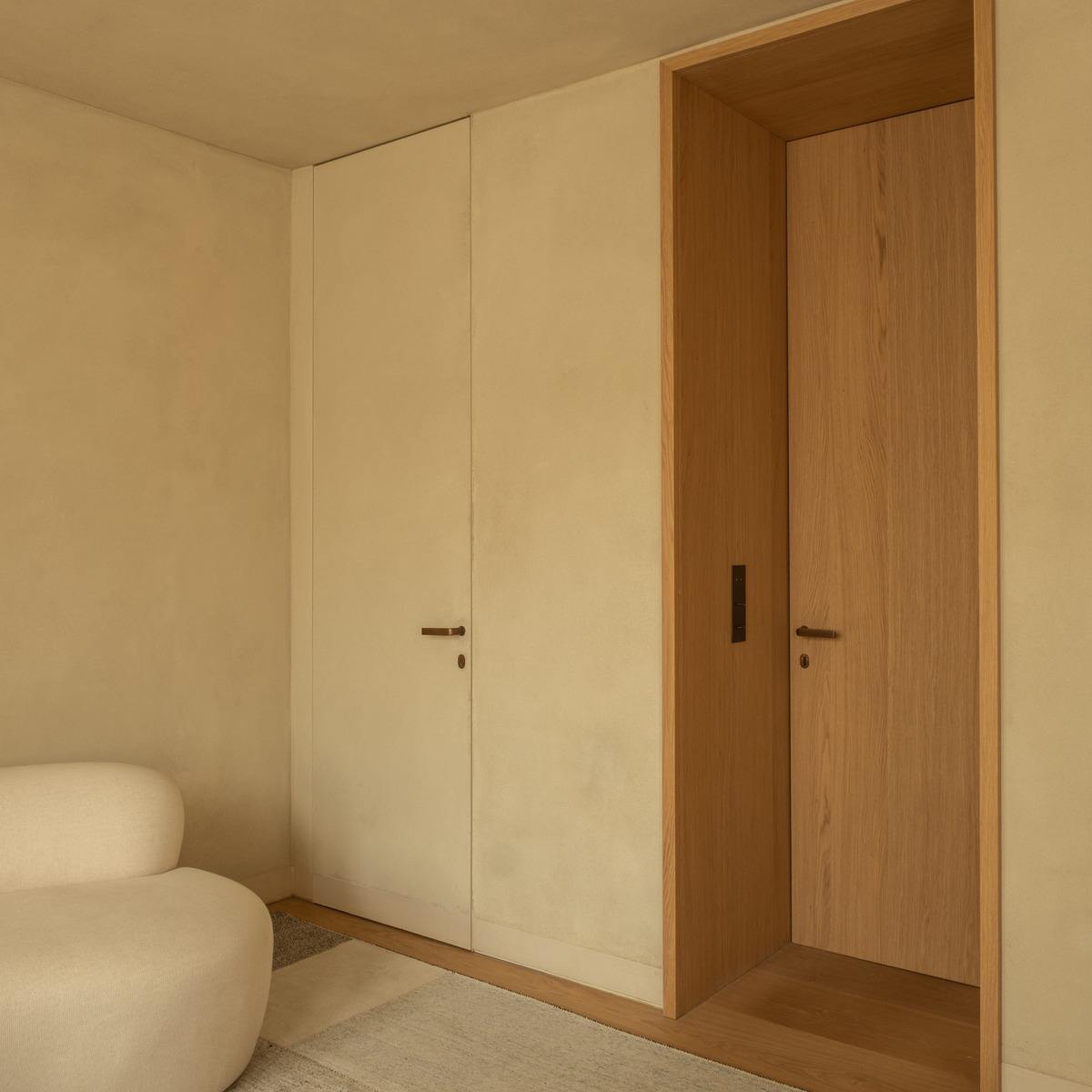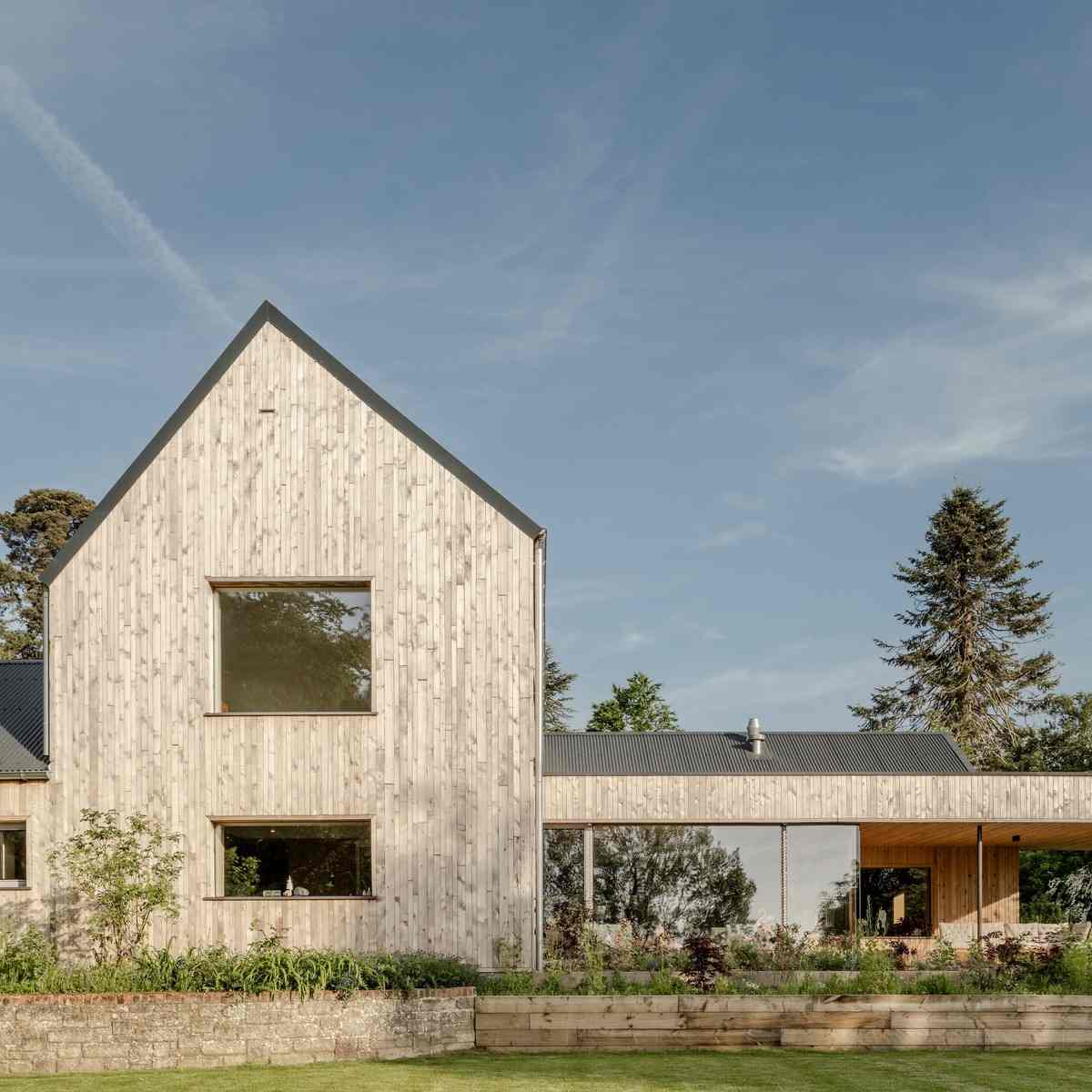
Composite windows are worth the extra cost when the aluminium outer shell solves a real project need: less external coating work, difficult façade access, severe weather exposure or a clear split between timber interiors and aluminium-faced elevations. An all-timber system can give better value where access is simple, bespoke profiling matters or timber is wanted on every face.
The answer also depends on the product behind the label. In UK window searches, “composite windows” can describe timber-aluminium, uPVC-aluminium and even fibreglass systems. This guide focuses on timber-aluminium composite windows, also called aluminium-clad timber windows, alu-clad windows or timber aluminium windows.
Table of Contents
What are composite windows made of?
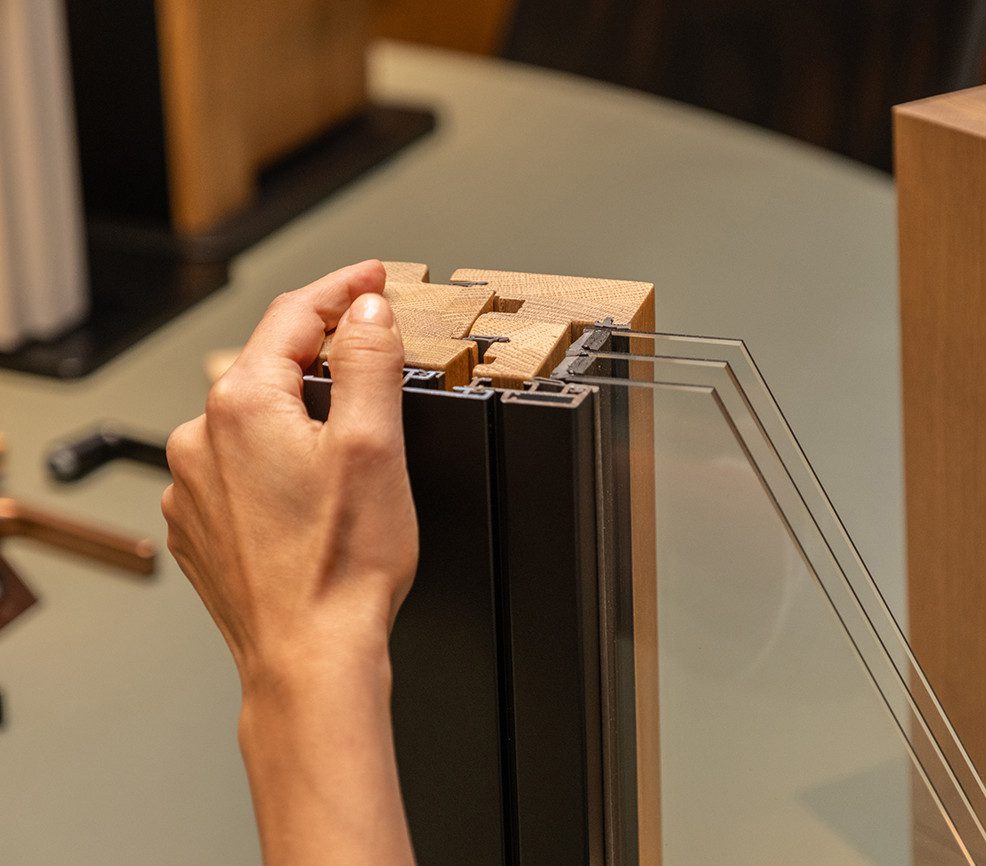
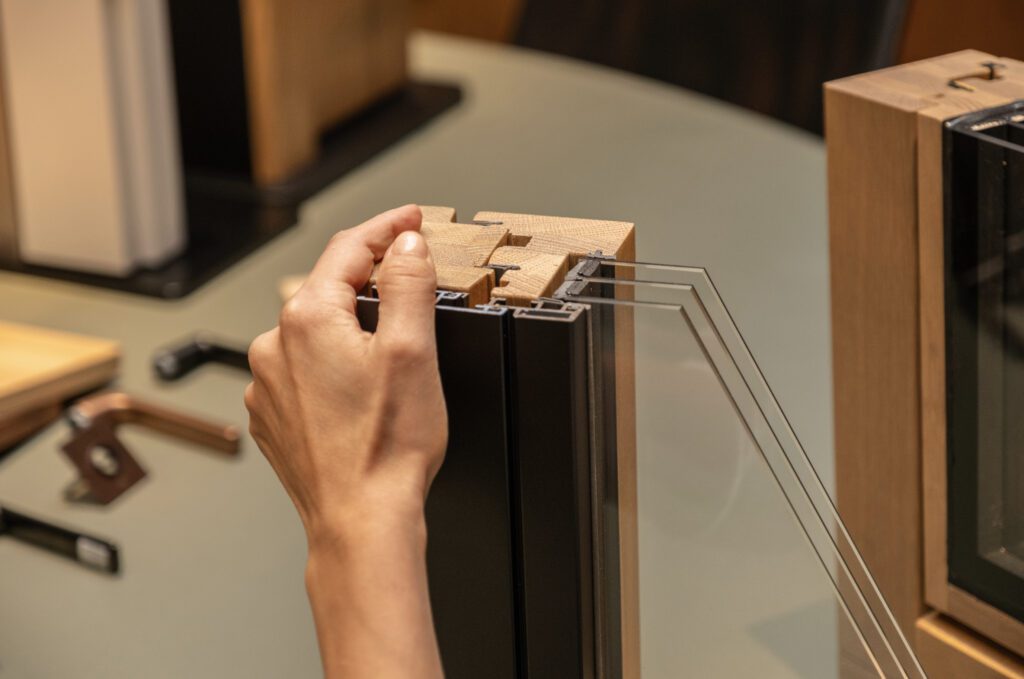
A timber-aluminium composite window combines a structural timber frame with an external aluminium shell. The timber provides the main frame, an insulating material around the glazing and a natural internal finish. The outer aluminium protects the external face and allows a powder-coated façade finish.
In Ecovia’s Endurance timber-aluminium range, the aluminium does not replace the timber structure. Endurance retains a full laminated timber core, based on the same timber-first approach used for our Vantage all-timber range. Aluminium is added to the outside of the sash and frame.
That construction is important because composite windows differ widely. Some products use an adapted timber frame with a simple cover added later. Others combine aluminium with uPVC, foam, or plywood. A true comparison starts with a frame section and material schedule. Product names alone reveal little about the amount of timber, the cladding interface or the long-term repair route.
Why do timber-aluminium composite windows cost more?
The higher price has a physical basis. The complete timber frame still needs to be laminated, machined and finished. The manufacturer then adds aluminium extrusions, powder coating and the work needed to connect two materials into one weather-tested unit.
| Cost layer | All-timber window | Timber-aluminium composite window |
|---|---|---|
| Structural frame | Laminated timber | Laminated timber retained in full |
| External material | Factory-finished timber | Formed aluminium shell added to timber |
| Finishing | Timber coating inside and out | Internal timber finish plus external powder coating |
| Fabrication | Timber machining and assembly | Timber machining, aluminium fabrication and system integration |
| Design coordination | Timber profiles and junctions | Timber profiles, extrusion geometry, drainage and material interfaces |
Current consumer guides show how broad composite windows cost UK estimates can be. A Checkatrade guide updated in June 2026 places timber-aluminium windows at £1,200 to £3,000 per unit for supply and installation. Bespoke architectural glazing can sit outside that band. Size, opening type, timber species, glazing, hardware, finish, access and installation detail can change the figure substantially.
This makes percentage claims unreliable. Ask suppliers to price the same window schedule, glazing specification, hardware, finish and installation scope. A low quote built around a different frame or glass unit is not a valid saving.
When are composite windows worth the extra cost?
External maintenance needs to be reduced
The aluminium shell removes the need to recoat external timber. Frames still need cleaning and inspection, and seals, drainage routes and hardware still need care. The saving lies in reduced exterior coating work.
That difference has greater financial weight on upper storeys, tight urban sites and large glazed elevations. Future access may require scaffolding, powered access equipment, protection to surrounding finishes and disruption inside the home. Avoiding one coating cycle can remove much more than the painter’s labour from the ownership cost.
The interior and exterior need different material characters
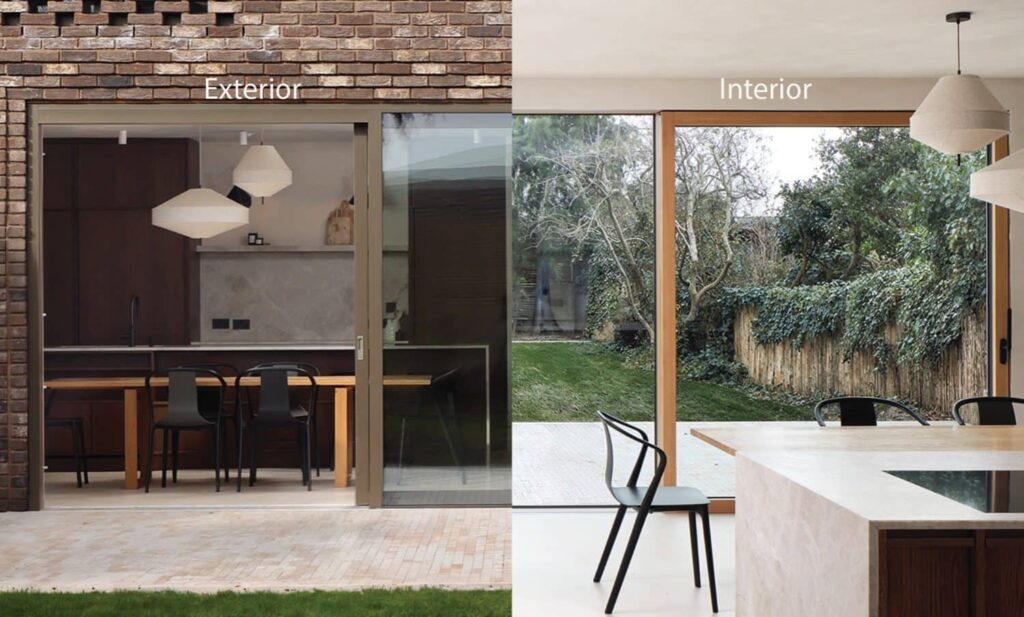
Composite construction lets a façade use a crisp powder-coated finish beside zinc, brick, render or metal cladding. The room retains the warmth and grain of timber. Separate colours can be specified for the internal timber and external aluminium.
This is a functional design benefit on schemes where one finish cannot serve the elevation and interior equally well. Paying for an external shell has weaker value when the design already calls for visible timber inside and out.
Exposure makes coating access burdensome
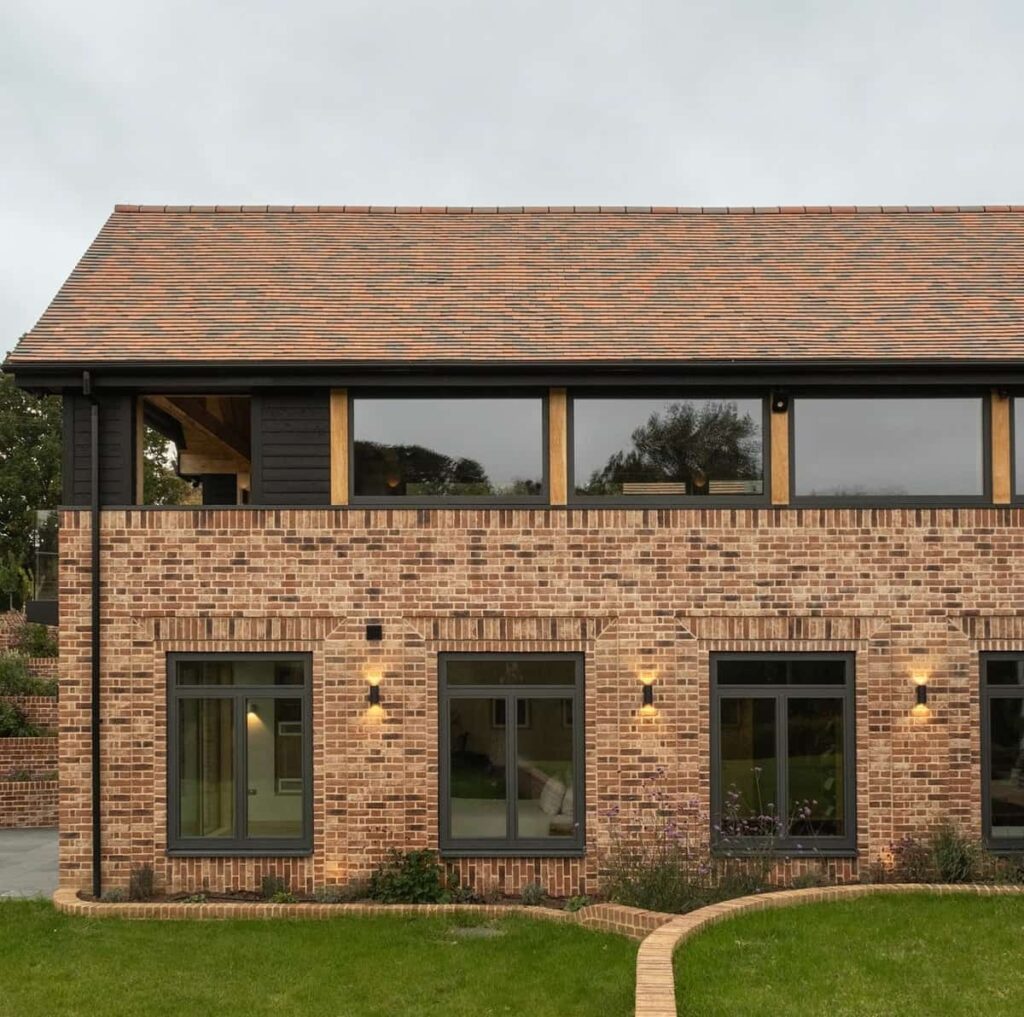
An aluminium outer shell shields the timber from direct rain and sunlight. This can suit exposed rural plots, coastal projects and elevations with little shelter. The specification still needs the correct coating, sealed cut edges, suitable fixings, effective drainage and a care schedule for local conditions. Aluminium is low maintenance, not maintenance-free.
The owner expects to keep the building for many years
The case for composite windows becomes stronger when future upkeep, access and disruption remain with the same owner. A short ownership period makes personal payback harder to assess. Resale value should never be treated as a guaranteed return.
Whole-life cost compared with upfront price
Whole-life cost gives a better test than the purchase figure by itself:
Whole-life cost = purchase + installation + access + cleaning + coating or repair + disruption + replacement
Energy belongs in this calculation only where the quoted products have different, verified whole-window performance. A composite label does not prove lower heat loss. Installation quality can also erase gains promised on a data sheet if perimeter insulation, airtightness or water management is poor.
| Project condition | Timber-aluminium premium | Better-value route |
|---|---|---|
| Upper floors or restricted external access | Easier to justify | Composite can reduce future access and recoating costs |
| Timber inside with a metal-faced elevation | Easier to justify | Composite provides separate internal and external finishes |
| Exposed or coastal location | Assess by site | Compare coating class, drainage, fixings and care requirements |
| Timber wanted inside and out | Harder to justify | All-timber avoids an unwanted material layer |
| Highly bespoke profiles or junctions | Harder to justify | All-timber allows greater machining freedom |
| Tight capital budget with simple access | Harder to justify | Invest first in glazing, installation and verified performance |
Are composite windows more energy efficient than timber windows?
Composite windows are not automatically more energy efficient than all-timber windows. Timber has low thermal conductivity. Aluminium conducts heat readily, so the outer shell needs sound thermal separation from the inner structure.
Compare the declared Uw value for the complete window, using the proposed size and opening arrangement. Ug describes the glass and Uf describes the frame. Spacer bars, seals, frame-to-glass proportion and installation junctions also affect the result. A centre-pane glass value cannot stand in for whole-window performance.
Triple glazing can improve heat loss, comfort and acoustic control when the entire specification supports it. It can be selected in Vantage and Endurance systems. For a Passivhaus project, ask for suitable whole-window data and model the installed junction. The word “composite” does not establish Passivhaus suitability.
What are the disadvantages of composite windows?
The main disadvantage is the higher purchase price. Added cladding has weak value if it solves no access, exposure or finish requirement.
Aluminium extrusions can also limit special frame shapes, outer dimensions and one-off junction changes. Full timber gives us more freedom to machine a custom detail. Damaged powder coating may need a specialist repair and matching an aged finish can be difficult.
Product quality varies across the composite market. Poor interfaces, blocked drainage or an unsuitable installation can shorten service life. A long material lifespan claim does not compensate for weak design or fitting.
Seven questions to ask before buying composite windows
- What materials are inside the frame and sash, and where are foam, plywood or plastics used?
- Does the aluminium cover the external sash and frame?
- What is the Uw value for the proposed size, opening type and glazing package?
- What test data is available for air permeability, water tightness and resistance to wind load?
- Which care schedule applies to the coating, hardware, seals and drainage, including coastal conditions?
- What do the product, coating, glazing, hardware and installation warranties cover?
- Who is responsible for the opening survey, perimeter detail, fitting and aftercare?
Composite windows earn their higher price when the aluminium outer shell delivers a benefit the building will use for years: reduced external coating work, a distinct façade finish or easier care on exposed and hard-to-reach elevations. If these needs are absent, an all-timber system can direct more of the budget towards glazing, installation or bespoke detail.
Our Endurance keeps the laminated timber structure and natural internal finish, then adds a powder-coated aluminium shell across the external sash and frame. Explore the Endurance timber-aluminium range to compare window, door and sliding-door options, finishes and opening configurations for your project.
FAQs about composite window cost and value
Are composite windows worth the extra cost?
Yes, when reduced external coating work, difficult façade access, exposed conditions or separate interior and exterior finishes matter to the project. All-timber can give better value when timber is wanted throughout, maintenance access is easy or custom profiling is central to the design.
How much do composite windows cost in the UK?
Checkatrade’s June 2026 consumer estimate places timber-aluminium windows at £1,200 to £3,000 each for supply and installation. Bespoke products can fall outside this range. Compare like-for-like schedules because size, style, glazing, timber, hardware, finish and fitting can alter the quote.
How long do composite windows last?
There is no reliable single lifespan for every composite window. Service life depends on the timber core, cladding design, drainage, coating, glass seals, hardware, exposure, installation and care. Ask for written warranties and maintenance documents, then check which parts can be repaired or replaced.
Do aluminium-clad timber windows need maintenance?
Yes. The aluminium removes external timber recoating, yet the window still needs washing and inspection. Gaskets, drainage channels, hinges, handles and locking points also need care. Coastal salt and urban deposits can require more regular cleaning.
Are composite windows better than timber windows?
Each system suits different project needs. Composite is stronger where an aluminium exterior, separate finishes or reduced coating work has value. All-timber is stronger where material continuity, bespoke machining, refinishing and thermal value per pound lead the brief.
Can composite windows be triple glazed?
Yes. Timber-aluminium composite windows can use double or triple glazing. Glass selection should respond to the project’s heat-loss, solar-gain, acoustic, safety and security requirements. The frame, spacer, seals and installation must support the chosen glazing package.
Are composite windows suitable for Passivhaus projects?
They can be. Suitability depends on verified whole-window performance, airtight installation and a thermally sound wall junction. Certification or project calculations should cover the proposed size and configuration. Frame material by itself cannot confirm compliance.