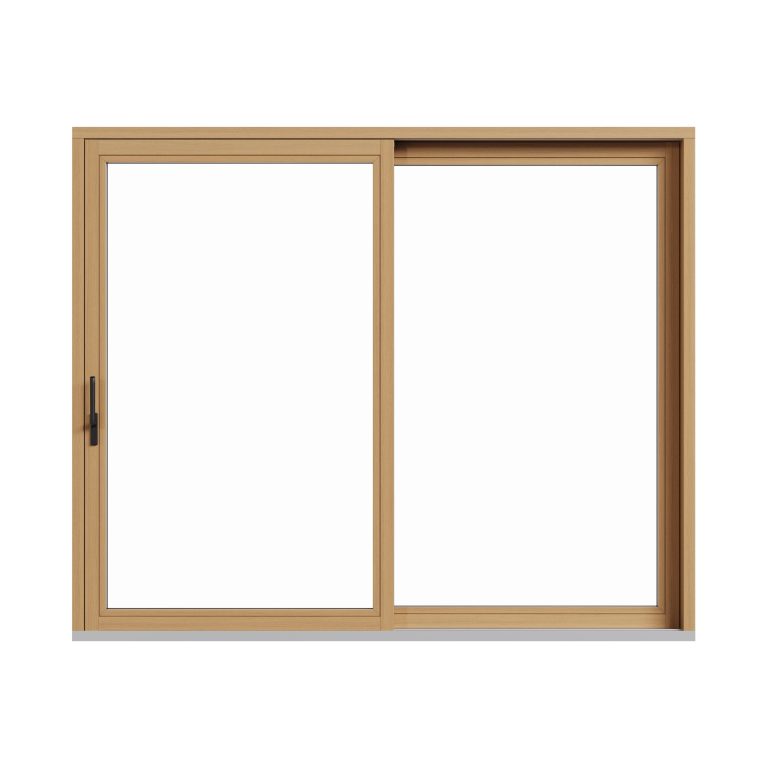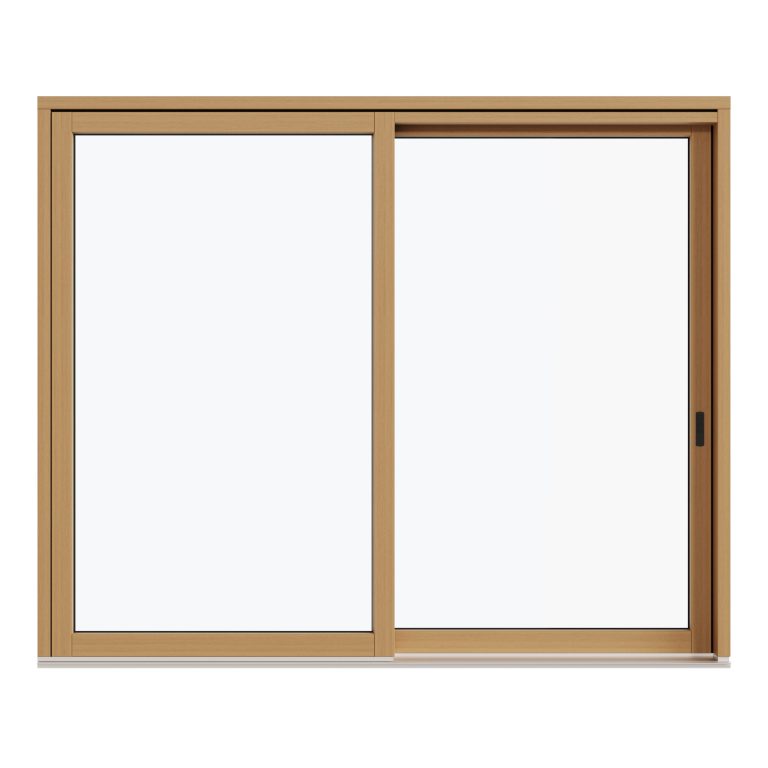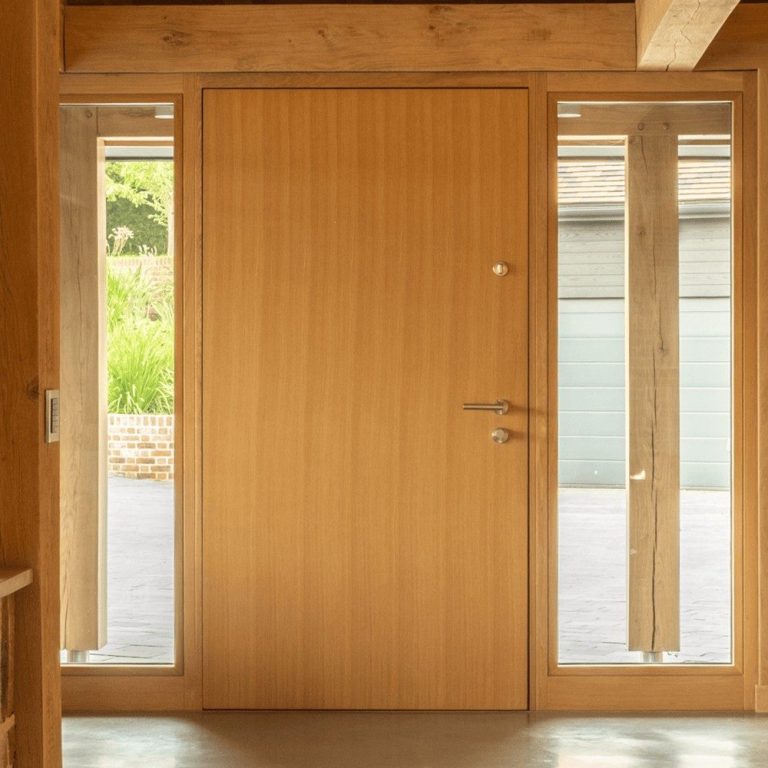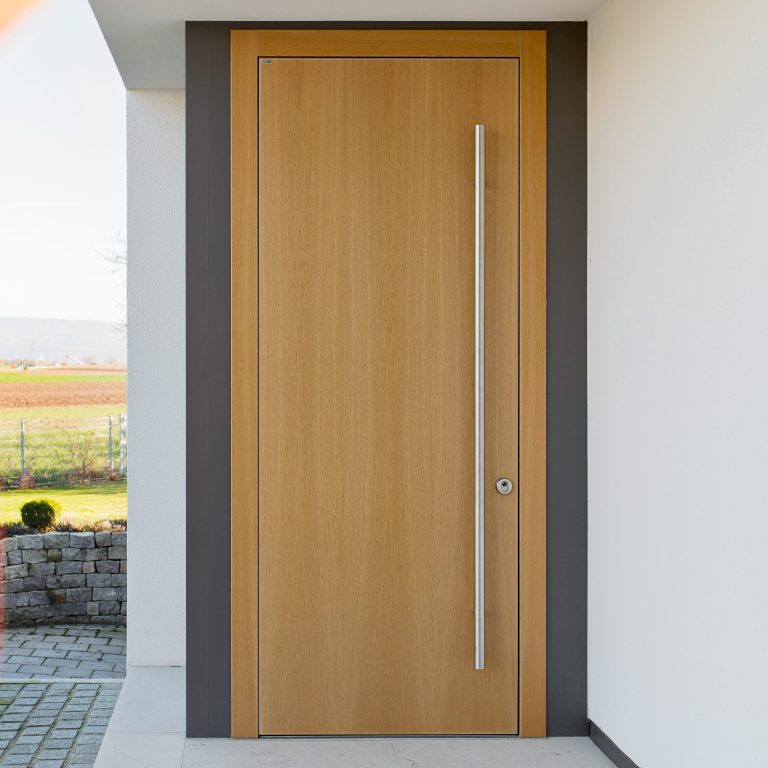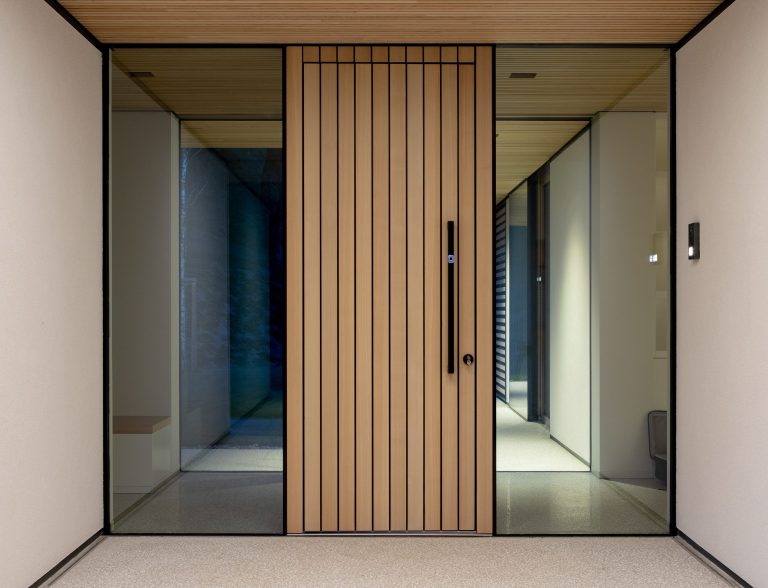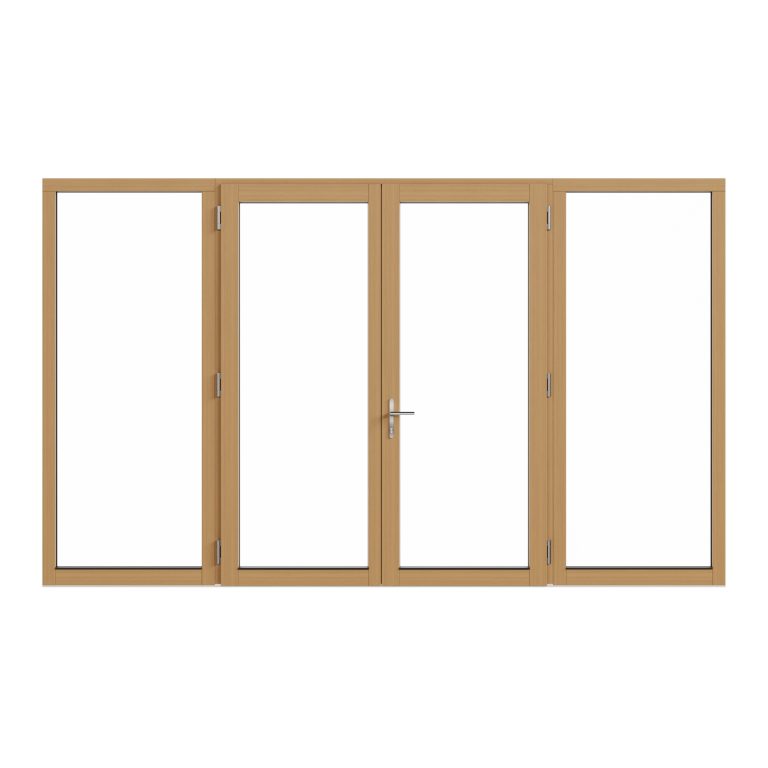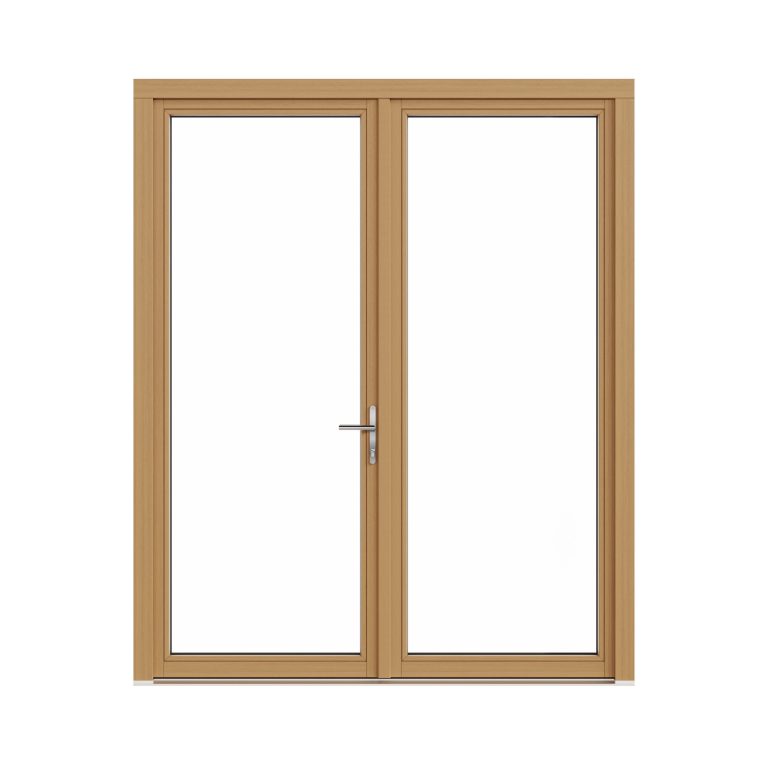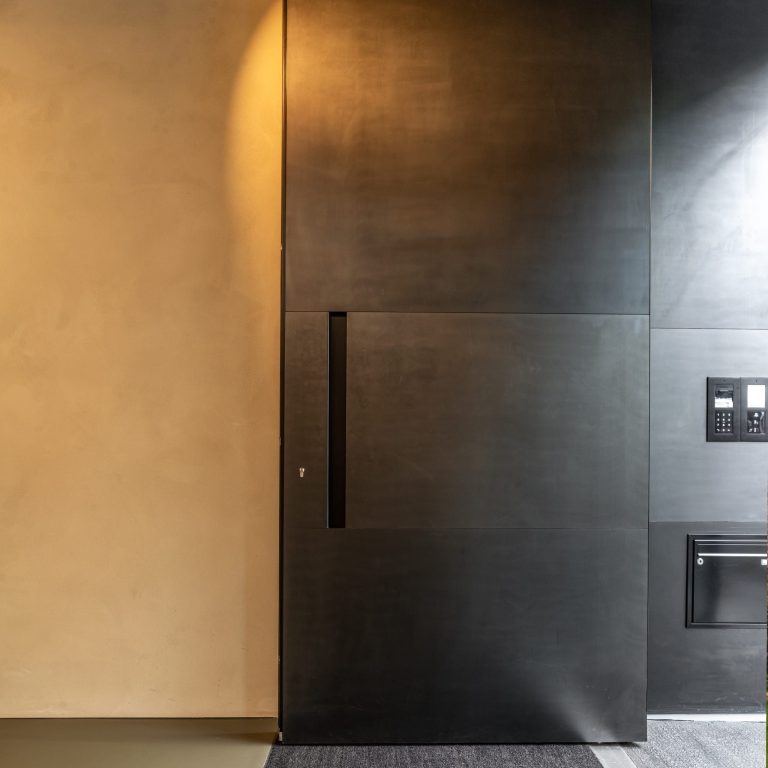
There is no single best timber for every window. The right species is the one that meets the building’s thermal target, exposure, finish, visual brief, maintenance plan and budget without adding cost or material that delivers no benefit.
This changes the starting point for specification. Hardwood is not automatically better than softwood. Harder timber is not automatically warmer, more stable or longer lasting. A high-priced species may add visual character yet offer no gain beneath opaque paint.
We assess timber through a multi-criteria matrix:
- Thermal conductivity and frame U-value
- Exposure, drainage and maintenance access
- Dimensional stability and coating compatibility
- Grain, natural colour and finish
- Surface resilience and repairability
- Availability in the required section and visual grade
- Cost, responsible sourcing and transport
- Service life and whole-life carbon
Table of Contents
The total window system matters more than species prestige
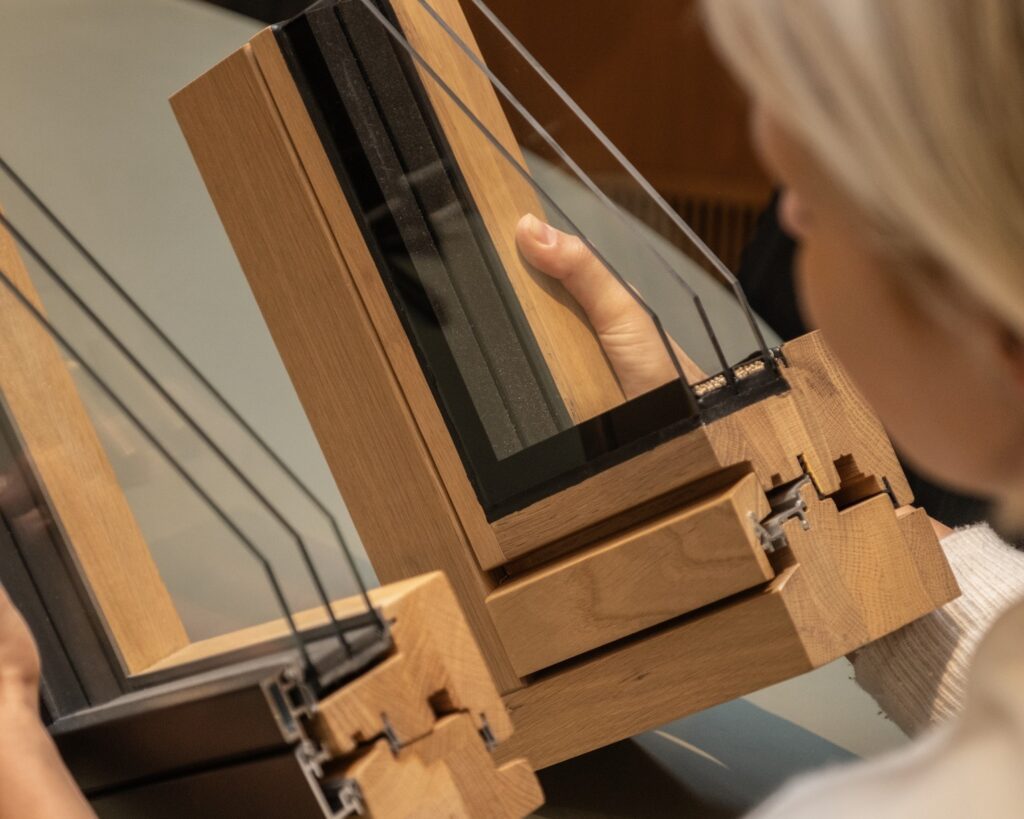
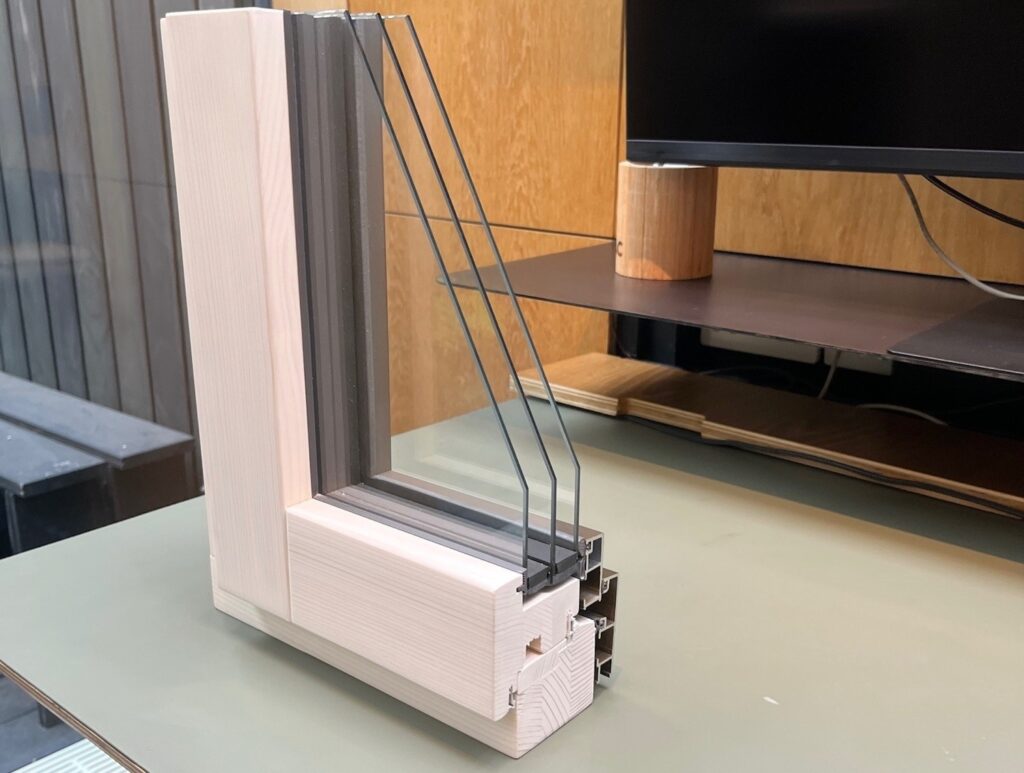
A high-performance timber window is an engineered product. Its performance comes from:
- Laminated profile construction and controlled moisture content
- Profile depth, joints and manufacturing tolerances
- Drips, cills, drainage paths and end-grain protection
- Factory-applied primers, intermediate coats and topcoats
- Glazing, warm-edge spacers, seals and hardware
- Installation position, perimeter sealing and junction insulation
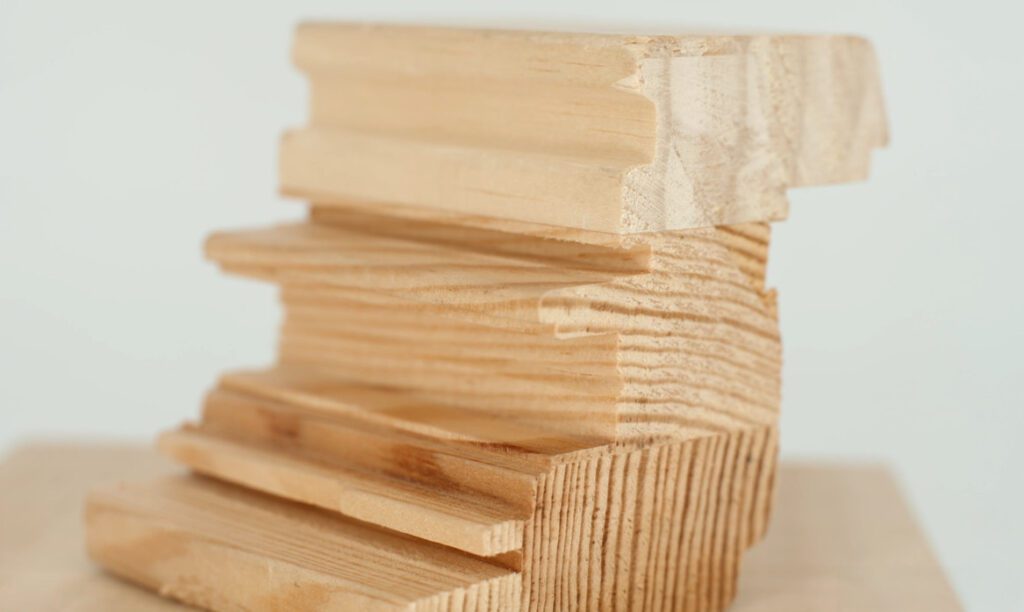
Lamination controls growth-ring orientation and quality across the section, reducing movement risk associated with one large piece of solid wood. Drainage moves water away before prolonged wetting occurs. Coatings slow moisture cycling. Gaskets and installation details control air and heat flow.
This is why oak is not structurally superior merely because it is harder and more expensive. In a properly engineered system, changing spruce to oak alters density, thermal behaviour, appearance and cost. It does not by itself increase the window’s declared resistance to wind load, watertightness, air permeability or service life.
BS EN 14351-1 treats windows and external doorsets as complete products with declared performance characteristics. It does not rank species. Tested or calculated assembly data carries more value than a timber label.
The thermodynamics of timber window frames
Wood does not conduct heat at one fixed rate. Conductivity changes with density, moisture, temperature, extractive content and grain direction. Thermal conductivity rises as density rises, giving lower-density species an insulation advantage. The US Forest Products Laboratory records this relationship and the effect of test conditions.
Spruce is valuable in low-energy windows because its low density can support a lower frame U-value. Pine also performs well. Denser oak transfers more heat through an equivalent section, so it is not a thermal upgrade. Profile geometry can compensate for species differences, making complete-window data essential.
Ug, Uf and Uw are not interchangeable
| Symbol | Measures | Specification use |
| Ug | Thermal transmittance through the glazing unit | Useful for comparing glass, but not a whole-window result |
| Uf | Thermal transmittance through the frame | Shows the effect of timber, profile geometry and frame design |
| Uw | Thermal transmittance through the complete window | The key product value, combining glass, frame and glass-edge effects |
A low Ug can make a data sheet look impressive even when the frame and spacer raise heat loss. Ask for Uw for the relevant size and configuration. The 2026 edition of Approved Document L, Volume 1 assesses the combined glazing and frame. It is scheduled to take effect on 24 March 2027 for most English work and 24 September 2027 for work connected with higher-risk buildings, subject to transitional provisions.
For Passivhaus work in a cool-temperate climate, the Passive House Institute uses an effective window U-value no greater than about 0.8 W/m²K as a comfort-led reference. This concerns the window and installation, not the timber alone. Glazing, frame proportion, warm-edge spacer, opening type and junction thermal bridge affect the result. Spruce can help lower Uf but cannot make a window Passivhaus suitable without verified whole-unit and installed performance. Our guide to Passivhaus windows takes a closer look at the specifications.
Pine: the rational choice for painted timber windows
Pine is a strong commercial specification when an opaque coating will conceal the grain. There is little value in paying for visible-grade oak, then covering it with paint.
Principal strengths
- Low material cost and broad availability
- Good thermal properties due to its modest density
- Efficient machining, local repair and recoating
- Compatibility with approved opaque coating systems
Main limitations
- Soft surface that can be marked during transport or site work
- Knots, resin pockets and warm undertones that need finish control
- Greater coating risk when a dark colour, resinous substrate and high solar exposure coincide
Why dark coatings need technical review
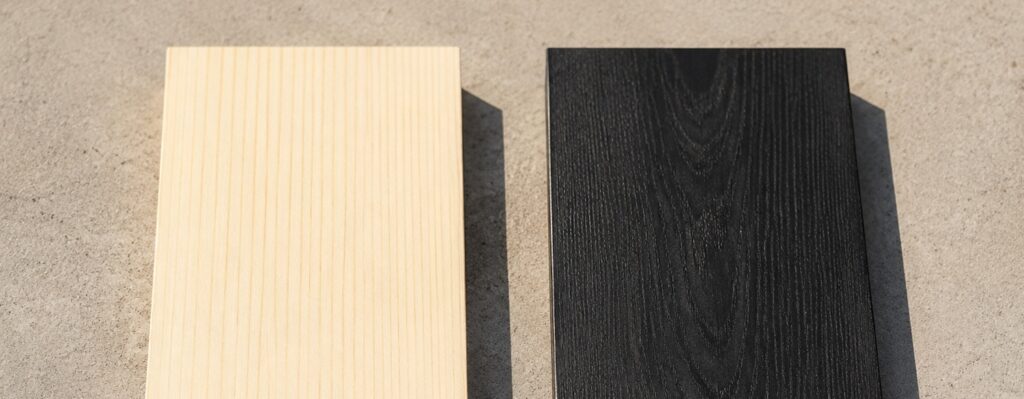
Dark surfaces absorb more solar energy than light surfaces. Their temperature can rise far above ambient temperature on a sunny elevation. Heat can soften resin within pine and drive it through knots or resin pockets, causing sap exudation, staining, blistering, loss of adhesion or local cracking.
South-facing and west-facing elevations deserve close review. Recess, overhang, shading, frame size and ventilation around the joinery also alter exposure.
Light-reflectance value, or LRV, classifies how much visible light a colour reflects. A low LRV marks a dark colour. LRV is a screening measure, not a universal approval threshold. Near-infrared reflectance also affects heat build-up, so two similar blacks can produce different surface temperatures. Suppliers may use colour groups, LRV limits or approved pigment systems.
Teknos technical material confirms that dark coatings can cause high surface temperatures and resin flow in pine, spruce and larch. Near-infrared-reflective pigments can reduce heating.
We do not approve a pine colour from appearance alone. We check the timber, coating build-up, supplier restrictions, elevation and warranty together. A dark pine window may work with the right tested system. Where risk remains high, Accoya, aluminium cladding or a revised colour may be sounder.
Spruce: the thermal leader for pale visible finishes
Spruce combines low density, a pale base and restrained grain. It is a strong starting point for high-performance windows, pale stains and whitewashed interiors.
Principal strengths
- Very good frame-insulation potential
- Pale colour that works with whitewash and light translucent finishes
- Quiet grain that does not dominate interior materials
- Lower cost than larch, Accoya and oak
- Efficient machining, lamination and local repair
Main limitation
- Lower surface hardness, so exposed faces can dent if treated roughly during handling or occupation
That softness is a surface-resilience issue, not evidence of structural failure or short service life. An engineered, coated spruce frame can meet demanding thermal and weather requirements. Site protection carries more value than changing species solely to resist an accidental knock.
Larch and Douglas fir: visible grain with an intermediate cost
Larch is selected when the frame should read as timber instead of as a neutral painted element. Its pronounced grain, warm colour and firmer surface give it more presence than spruce. Its density and price sit between light softwoods and oak in many specifications.
Larch strengths
- Distinctive grain for stained or clear-finished frames
- Greater surface resilience than spruce
- Mid-range material character and cost
Larch limitations
- Less frame-insulation benefit than low-density spruce
- Greater colour and grain variation
- Finish samples must represent the supplied grade
- Resin and dark-colour risks still need coating review
The former reliance on slow-grown Siberian larch has been disrupted. Timber Development UK states that no legal import route exists for Russian or Belarusian timber and FSC withdrew all certificates in Russia by April 2023. European larch now carries more weight, but its grade and available sections may differ from historic Siberian supply.
Douglas fir, also known as Oregon pine, can be reviewed where larch is unavailable or large visible sections are needed. Its strong earlywood and latewood contrast provides a characterful face. It is not a direct substitute. Density, durability class, stability, resin, coating, grade, source, section size and price need confirmation for the selected system.
Accoya: high value where exposure or access creates risk
Accoya is acetylated radiata pine. Acetylation changes its interaction with moisture, producing high dimensional stability and biological durability. The 2026 Accoya Wood Information Guide records Durability Class 1 performance and resistance to swelling, shrinkage and distortion.
Principal strengths
- High dimensional stability under changing moisture conditions
- High resistance to fungal decay
- Strong fit for exposed elevations and hard-to-access joinery
- Reduced substrate movement beneath painted finishes
- Fast-growing plantation softwood as its feedstock
Main limitations
- Higher cost than standard pine or spruce
- Visual-grade selection adds cost for clear or translucent finishes
- Surface hardness is not its main technical advantage
Accoya earns its cost where movement, repeated wetting or maintenance access creates risk. It need not fill every frame layer. A weather-facing Accoya lamella with pine or spruce internally places the modified timber where its properties work hardest and retains a cost or thermal benefit inside. The composition must match our tested profile.
Oak: a premium aesthetic choice, not a universal upgrade
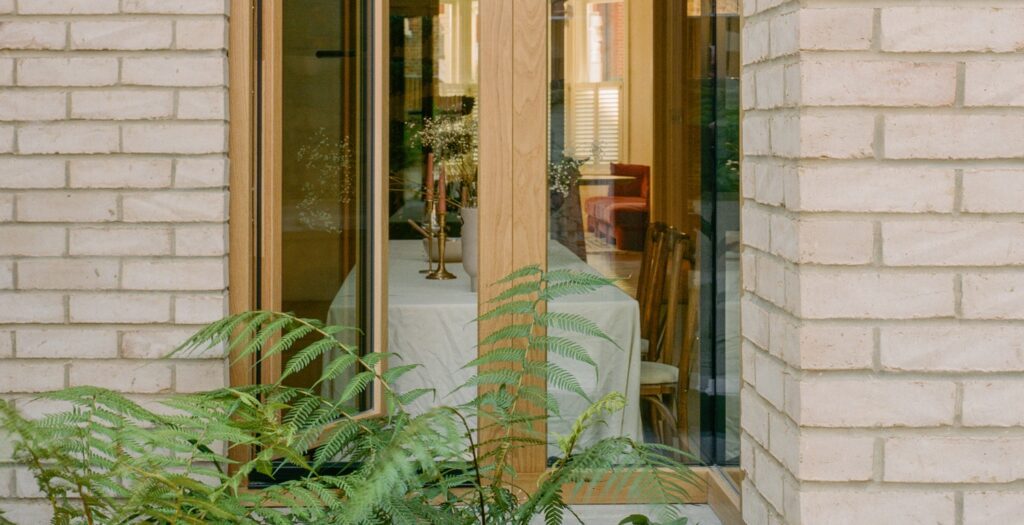
Oak has a distinctive grain, deep colour range and hard surface. It works best when the frame is a visible architectural material beside stone, plaster, concrete or metal.
Principal strengths
- Strong grain and natural colour
- Hard, resilient visible surface
- Close association with traditional joinery and premium interiors
- Excellent fit for clear oils and light stains approved for the system
Main limitations
- Highest cost position in this principal group
- Lower thermal resistance than spruce due to greater density
- Natural colour and grain variation across laminated sections
- Premium appearance is wasted beneath opaque paint
- Hardness does not raise the declared structural capacity of an engineered window
Specify oak when its material presence contributes to the architecture. For a painted frame or lower Uf target, pine or spruce may deliver a better technical and commercial answer.
Responsible sourcing, tropical hardwood and carbon claims
Meranti, iroko and afrormosia have been used for durability, machining quality and hardness. None is illegal by definition and certified material can exist. A tropical hardwood still needs evidence when European or modified timber can meet the same brief.
For a sound procurement record, request:
- Exact species and country of harvest
- FSC, PEFC or equivalent evidence with an unbroken chain of custody
- Environmental product declarations
- Manufacturing, transport and replacement data
- Repair and end-of-life routes
The UK Government’s 2025 Timber Procurement Advice Note recommends performance-based specifications instead of naming one species unless the species is necessary. That principle aligns with good window specification.
Fast growth can improve fibre replenishment but does not prove responsible production. Forest management, land-use change, biodiversity, manufacturing, transport, yield and service life still matter.
Timber stores biogenic carbon absorbed during tree growth. Stored carbon is not the same as low embodied carbon and does not make every timber window carbon negative. The RICS Whole Life Carbon Assessment standard reports biogenic carbon across the life cycle and links its treatment to sustainable sourcing. Product EPDs and stated end-of-life assumptions are stronger evidence than broad species claims.
Durability, weather resistance and sound depend on the assembly
Natural durability is just one of the inputs in timber characteristics specification. A coated spruce frame with protected end grain, drainage and planned maintenance can outlast hardwood that traps water. Overhangs, cill projection, recess, elevation, standing water, coating thickness and inspection access change the outcome. For acoustics, timber contributes mass and damping, yet sound reduction depends on glass build-up, cavities, seals, opening configuration, airtightness, ventilators and installation. Specify tested assembly data instead of assuming that frame material decides the result.
Timber selection matrix for architects and specifiers
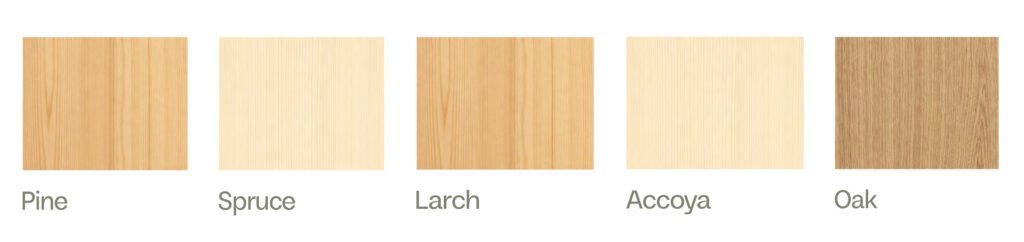
| Timber | Thermal potential | Visual character | Surface resilience | Exposure suitability | Cost position | Strong starting use |
| Pine | Good | Warm, resinous grain | Soft | Normal exposure with an approved coating | Lowest | Opaque painted windows |
| Spruce | Very good | Pale and understated | Soft | Normal exposure with an approved coating | Low | Low-Uf frames, pale stains and whitewash |
| Larch | Moderate | Strong, tactile grain | Medium | Project and coating dependent | Mid | Visible stained frames |
| Douglas fir | Product dependent | Strong earlywood and latewood contrast | Medium | Requires system review | Mid, supply dependent | Reviewed alternative to larch |
| Accoya | System dependent | Broad grain unless selected | Not the selection driver | High | Mid to high | Exposed or maintenance-sensitive joinery |
| Oak | Lower than spruce | Premium, distinctive grain | Hard | Good with correct detailing and finish | Highest | Clear-finished feature glazing |
These are pure relative descriptions, not product declarations. Species, moisture content, grade, profile design, coating, glass area and window size affect the final result.
Before fixing the species, give the window specialist:
- Orientation, shading, exposure and maintenance access
- Required Uw, weather, acoustic and security performance
- Openings, critical sections and finish references
- Sourcing, carbon, budget and programme requirements
Specify the timber that serves the architecture
The best timber for windows is not automatically the hardest, most expensive or most exotic. It is the species that fulfils the technical, visual, environmental and commercial brief with the least unnecessary cost and material. Pine is a rational painted option. Spruce supports low frame U-values and pale finishes. Larch and Douglas fir bring visible grain. Accoya addresses exposure and moisture movement. Oak earns its premium when the frame’s appearance carries architectural value.
Early timber decisions can avoid coating restrictions, grade shortages, thermal compromises and late cost changes. Architects can bring us elevations, sections, finish references and performance schedules during concept or technical design. We can test timber, profile, coating and glazing as one specification before changes become expensive.
Frequently asked questions
What is the best wood for window frames?
There is no universal winner. Pine suits economical painted windows, spruce supports low frame U-values and pale finishes, Accoya addresses demanding exposure and oak provides a premium visible grain.
Is oak better than pine for windows?
No, not by default. Oak is harder and more visually distinctive. Pine costs less, insulates better at an equivalent section and is a rational substrate beneath opaque paint. The finish and performance brief decide.
What timber is best for Passivhaus windows?
Spruce can support a low Uf because of its low density. Passivhaus assessment covers the complete window and installation, including glazing, spacer, profile geometry and junction thermal bridges. Species alone cannot qualify a window.
Can pine windows be painted black?
They can be considered, but approval must cover the coating system, pigment technology, LRV or colour group, resin risk, orientation and supplier warranty. South-facing and west-facing elevations need close review. A different timber, aluminium cladding or lighter colour may reduce risk.
Is Accoya better than oak?
They answer different briefs. Accoya is selected for dimensional stability and decay resistance. Oak is selected for grain, colour and surface hardness. Exposure may favour Accoya; a clear-finished interior feature may favour oak.
Does timber species affect a window’s U-value?
Yes. Density and moisture affect timber conductivity, so the species influences Uf. Glazing, spacer, profile geometry, frame proportion and size determine the whole-window Uw. Compare Uw for the relevant configuration, not Ug alone.